
Youyiguan is the main road gateway between China and Vietnam: 12 lanes at the gate, 170 km to Hanoi, and RMB 596.51 billion of cargo cleared in 2025. There is no sailing schedule and no cut-off here. The freight moves when a truck clears the gate, and the paperwork that decides whether it enters Vietnam is filed in Vietnam, not in China.
Youyiguan sits in Pingxiang, Guangxi, at boundary marker 1117, facing Huu Nghi gate in Lang Son province, Vietnam. Hanoi is 170 km away. In 2025 the port supervised 7.30 million metric tons of freight and 1.069 million declarations, both all-time records, on value of RMB 596.51 billion — the highest of any Guangxi port.
A seaport runs on cut-offs. A road border runs on two things: whether your declaration has been released, and whether your truck can physically get through the lane. Miss both and the cargo sits at the border, not on a quay, with nowhere to park it for free.
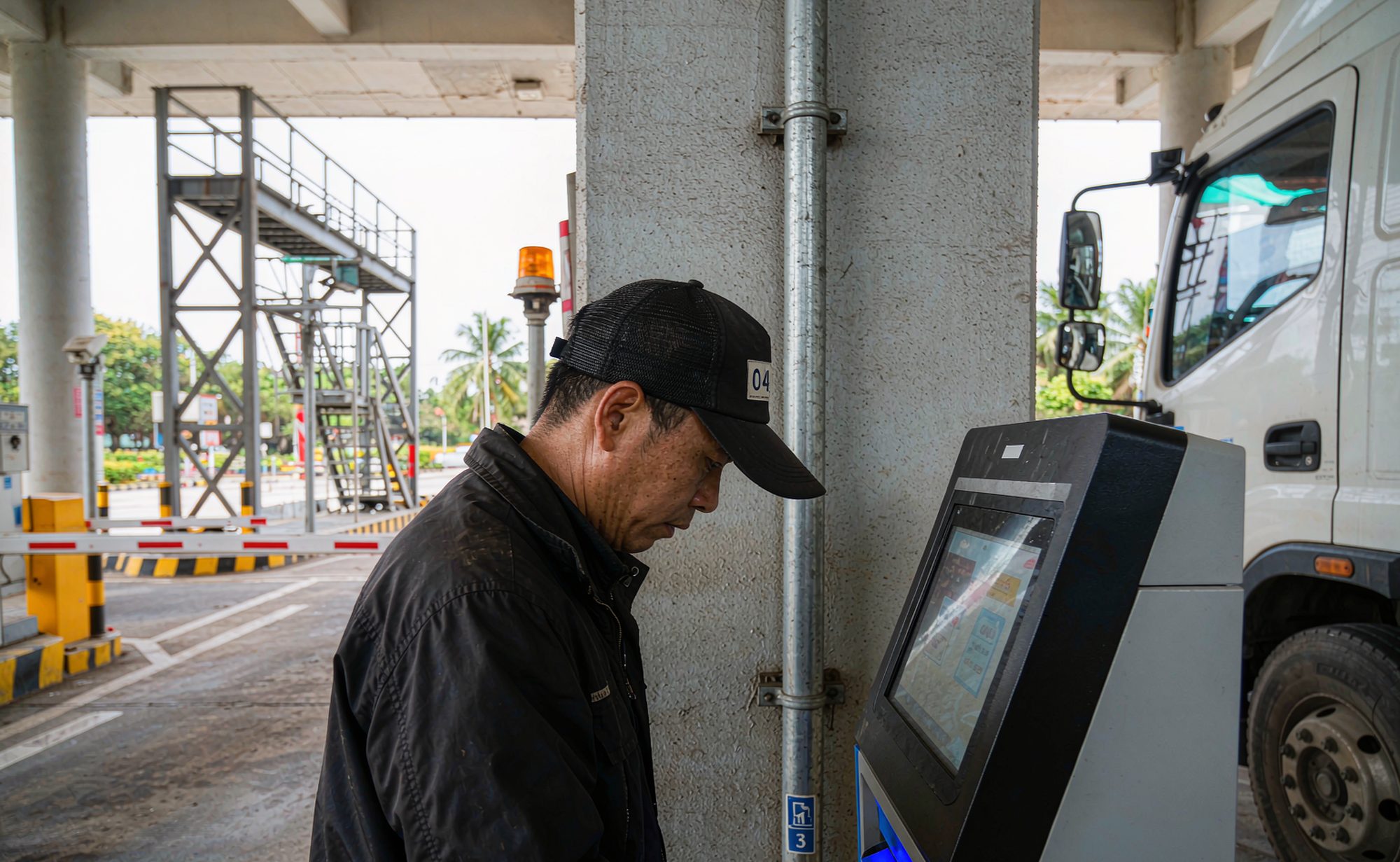
Figures are from China Customs, Nanning Customs and Youyiguan Customs releases, Pingxiang and Chongzuo municipal publications, the Pingxiang bonded zone administration and China Railway Nanning, covering full-year 2025 and the first half of 2026. Gate assignments and lane availability follow on-site customs notices; this page does not promise transit times.
Youyiguan is not a single gate. Three road channels, a bonded zone and a rail port sit inside Pingxiang, and they report to two different customs houses. Picking the wrong one means turning the truck around and queuing again.
Youyiguan road port · code 450401
Right for: machinery, electronics, vehicles, general cargo. Wrong for: imported fruit, which must use Nongyao or rail.
Puzhai · code 450403
Right for: fruit, small-value cross-border trade. Wrong for: bulk machinery needing bonded storage.
Nongyao · code 450404
Right for: imported fruit. Wrong for: export general cargo — the detour is slower.
Comprehensive bonded zone · code 994503
Right for: staged shipments, high-value machinery. Wrong for: cargo without a bonded account set up.
Pingxiang railway port · Xianggui line terminus
Right for: full containers, steady volumes, reefer. Wrong for: a 40 kg sample parcel.
Cửa khẩu Quốc tế Hữu Nghị · code VNM903
Remember: Chinese export release only gets the truck out. Entry is a separate approval.
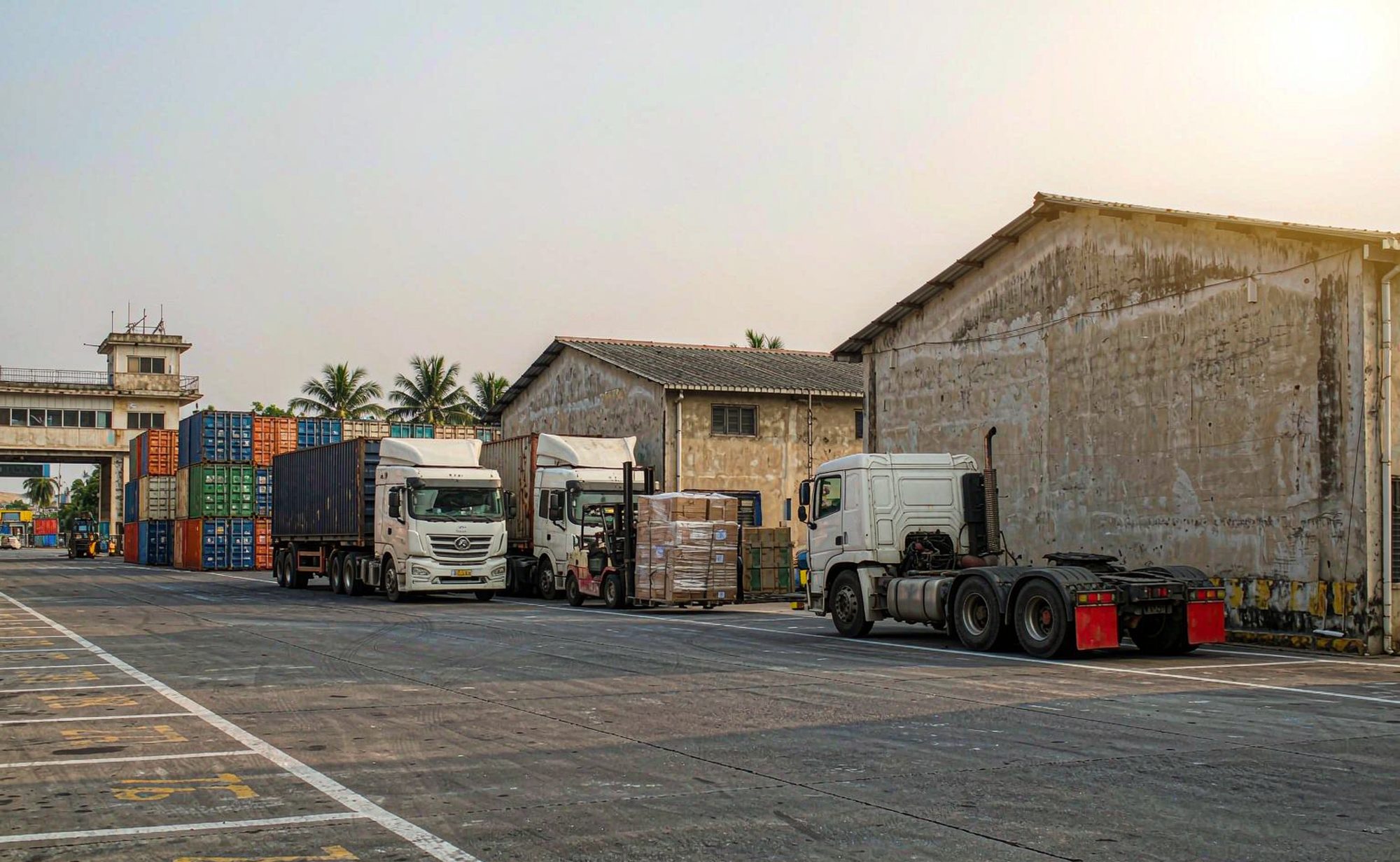
| Step | At a seaport | At Youyiguan | What it costs you if you get it wrong |
|---|---|---|---|
| Clock | Vessel schedule and cut-off | Gate release and Vietnamese working hours | You count back from a sailing that does not exist |
| Filing time | 24 hours before loading, or within 3 days of arrival | Released before the truck reaches the lane | Filing at the gate doubles the queue |
| Transport mode | Water; vessel name and voyage | Road; plate number and vehicle filing | Rejected declaration, then a new queue slot |
| After release | Gate in, load, close out | Clear the lane, transfer or drive across | Release is not delivery — entry can still fail |
| Bonded option | Bonded warehouse under an account | Pingxiang bonded zone, 42.2% of value, batch release | Filing the whole order as general trade pays duty early |
The seaport column is here only for contrast. Youyiguan is a road border and behaves differently from both ports and airports; copying a sea shipment's paperwork is the single most common source of rejection.
General cargo, bonded goods, complete vehicles and chemicals each follow a different document set and a different supervision rule. We settle the cargo type first, then the filing method, then the trucks.
Filed as road transport with the plate number as conveyance and Youyiguan as the exit port. Contract, invoice, packing list and declaration, with classification and weight consistency as the two things that get checked.
Goods enter the Pingxiang comprehensive bonded zone, then leave in batches against real orders. Suits staged shipments and machinery, and defers duty on the part of the order that has not shipped yet.
Heavy trucks, tippers, excavators and crawler cranes move one unit per truck. Filed per truck, forty units means forty declarations. One declaration covering many trucks lets a fleet file once, move in batches and clear centrally.
Electronic parts, electrical apparatus and lithium cells are the port's largest export group: RMB 357.88 bn in 2025, 80.8% of export value. Classification decides both duty and licensing, so one code digit matters.
Property first: non-hazardous chemicals need a composition statement and SDS; hazardous goods need packaging certification, UN number and packing group. Vietnamese acceptance of the specific substance is checked before loading, not after.
After close-out you need the refund copy of the declaration or its electronic record, release data and the vehicle exit record. There is no bill of lading on a road shipment, so the proof of exit has to be assembled deliberately.
Imported fruit is inspected only at Nongyao (CNYYG722008) or the rail port. You need a quarantine import permit, a phytosanitary certificate and a registered orchard and packing house — all three, before the truck moves.
You can declare at the inland customs office where your factory sits and have Youyiguan release the truck out, or complete the handover at the border yard. Transit filings need the declaring office and the exit port kept consistent, line by line.
Each step names who acts, how long it takes, and what breaks if it is skipped. Road freight forgives less than sea freight: a missed sailing has a next one, a missed lane slot just puts you at the back.
Reconcile contract, invoice and packing list, then switch the declaration to road transport and hold the conveyance field for a plate. Getting this wrong means filing twice.
Plate, vehicle filing number and driver documents go in ahead of time. Pre-registered drivers, including Vietnamese drivers since January 2026, use the fast lane. Sourcing a truck at the last minute is where the day disappears.
Exit port Youyiguan, conveyance as plate plus filing number, every commodity element checked. Machinery needs model, function, principle and use, all four.
Single-window filing, then release or an inspection instruction. Under pre-release at the gate, release can happen well before the truck arrives — that is the whole point.
If selected, the truck goes to an inspection bay; if not, straight through to release. Bays went from 28 to 76, but peak season still queues.
Weighbridge, plate capture, driver biometrics, then the lane compares vehicle and cargo data before lifting the barrier. This is the real bottleneck.
Either hand over in the designated yard or drive to Huu Nghi gate. Count, photograph and sign at handover, on the spot — the only moment a shortage can still be proven.
Close the file against the exit record, then assemble the refund copy and vehicle exit documents. For refundable cargo, this paperwork decides how fast the money comes back.
A road shipment has no bill of lading and no terminal receipt. What has to line up is cargo, paperwork and vehicle. The left column applies to everything; the right column is added by cargo type.
The right mode finishes formalities in a day. The wrong one costs the day in a queue. All five are routine at Youyiguan; each has a boundary.
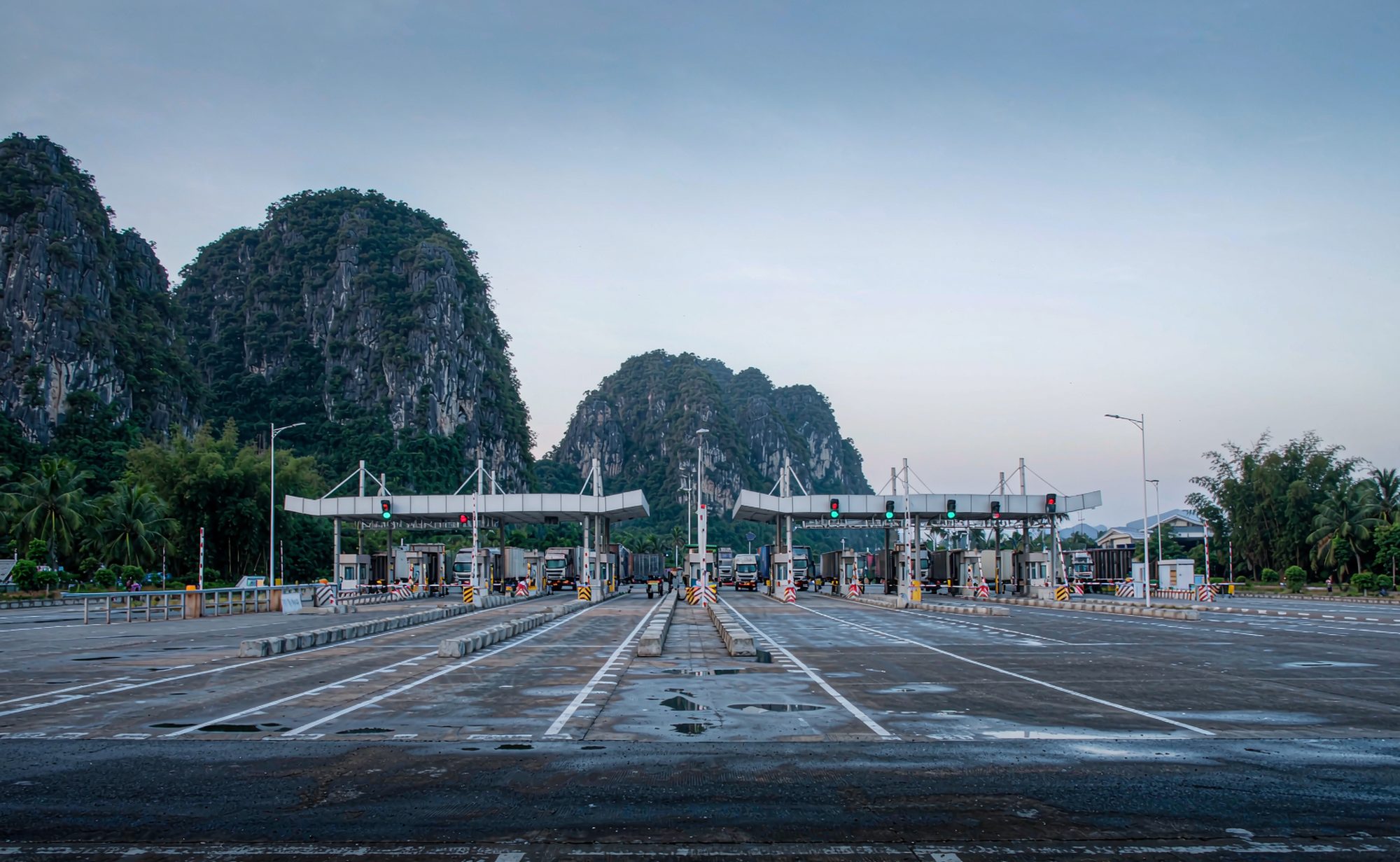
Filing, duty and release all happen before the truck arrives; the lane either releases or diverts to inspection. In use at Youyiguan since 2019 and the default here. Not for: files still in flux — once released, a change means starting over.
Summary declaration first to get the truck moving, full declaration within the deadline. Useful when one certificate is still in the post. Not for: licensed goods or unsettled classification — changing the code at the second step undoes the first.
Declare at the customs office where the factory is and let Youyiguan release the truck out. Keeps the broker near the plant. Not for: mixed loads — matching each line to each truck across two offices is where errors start.
Store in the bonded zone, release in batches against orders. Cuts the cash tied up in duty and lets you hold stock near the border. Not for: cargo rushed in before a bonded account exists — an unclear account blocks release.
File at any qualified customs office and have the cargo released at Youyiguan. Fits companies with a central trade compliance team. Not for: cargo likely to need hands-on inspection coordination — remote handling gets expensive.
Machinery is judged on classification and commodity elements. Chemicals on certificates and Vietnamese acceptance. Vehicles on how units map to declarations. Decide in advance which field will be questioned.
Specificity is everything. Generic descriptions are the top rejection cause; list material, function and use line by line.
Classification and commodity elements. Model, function, principle and use are all four required; lithium cells also need UN number and watt-hours.
Establish the property before discussing the filing. Hazardous goods need packaging certification and a packing group, plus Vietnamese acceptance for that substance.
How units map to declarations. Forty trucks as forty declarations burns the week in queueing; one declaration covering many trucks moves in batches.
Composition, weight and construction must all be stated, and branded goods need authorisation. Vietnamese scrutiny of marks and IP is strict.
Resin needs grade and composition; additives need a check against the controlled list. Plasticisers, dyes and adhesives require Vietnamese SDS or they are held.
Three things: quarantine permit, registered orchard and packing house, designated site. Inspection is only at Nongyao or rail; the wrong channel means turning around.
The road matters as much as the file. Crawler cranes and oversize loads need lane width, weight limits, turning radius and possibly an escort confirmed in advance.
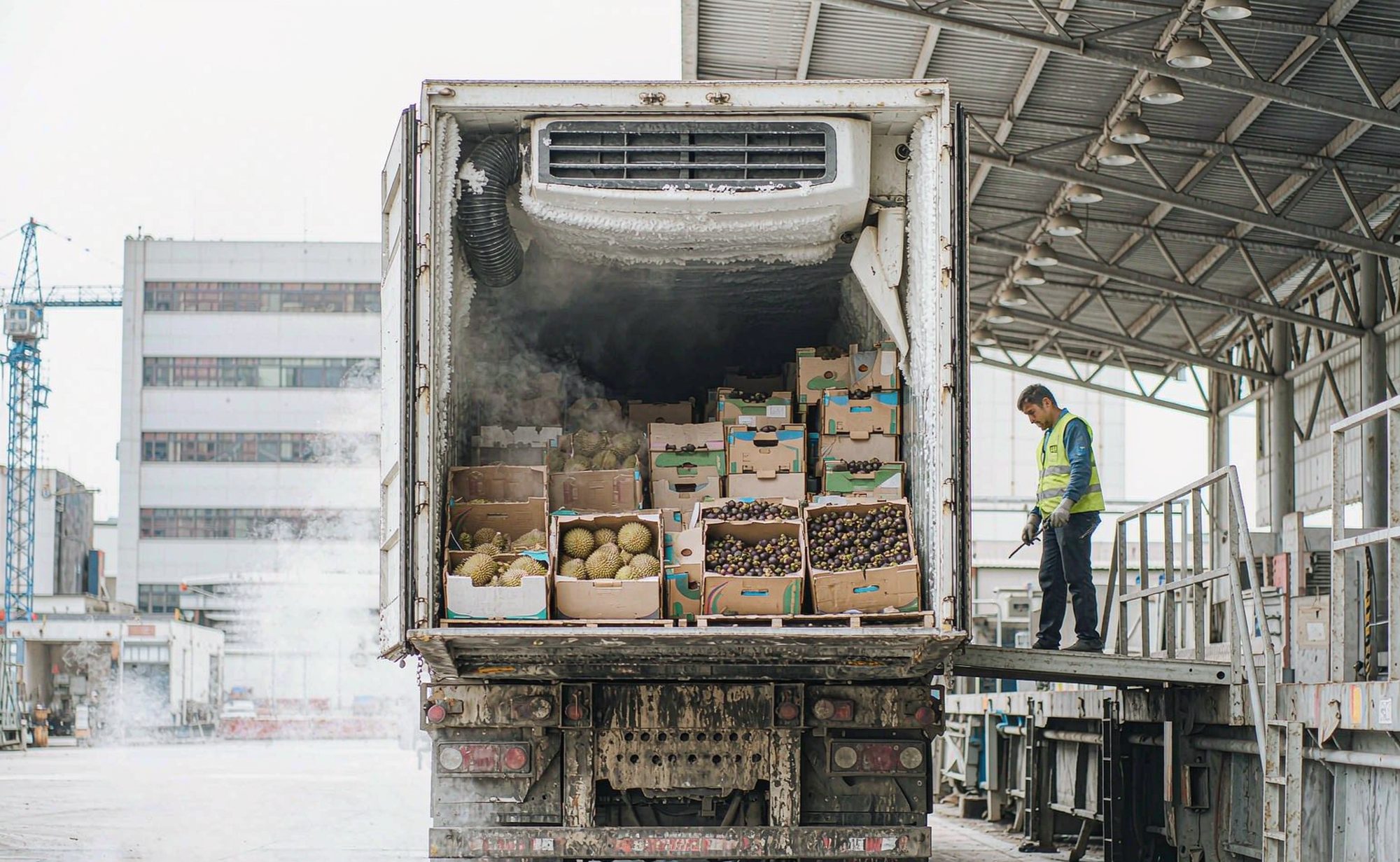
One — paper does not match cargo. Declaration, manifest and physical goods must agree on description, quantity, weight and code. A weight deviation beyond tolerance is targeted automatically.
Two — value declared low. Electronics, machinery and textiles attract valuation scrutiny. Under-declaring and being opened up costs duty, arrears and a penalty, which is more than declaring honestly.
Three — sensitive cargo mixed in. Batteries, chemicals, powders and liquids need full documentation. Hiding them inside general cargo is treated as false declaration and penalised on the worst item, not the average.
Each is written as: where it jammed, what we did, how it ended. Figures are industry-order magnitudes, not promises.
These scenarios summarise common operating patterns at this border and do not identify any customer. Times and costs are industry-order magnitudes; actual results depend on current volumes, lane queues and carrier schedules.
The answer is in the first line of each.
The useful knowledge is not in the notices: which channel accepts what, when the lanes back up, which cargo belongs in bond, which Vietnamese category tightened last month. That lives on site.
Staff on site in Pingxiang for lane queues, inspection attendance and last-minute amendments, rather than instructions relayed from several hundred kilometres away.
Declarations are built for road transport, with a dedicated review sheet for mode, conveyance and exit port. Sea templates are not reused.
Practical experience with bonded account management and batch release in the Pingxiang zone, and with organising fleets and heavy equipment under one declaration.
Established partners for yard transfers and truck scheduling on both sides, with handovers run on dual-level counting and pallet-by-pallet photographs so damage claims can be settled.
We tell your buyer what Vietnam will want — Vietnamese SDS, chemical registration, import permits — before loading, so release in China does not turn into a hold at the border.
After exit we assemble the refund copy and vehicle exit record, and correct entity mismatches before they surface at the refund stage.
Main gate or bonded zone with batch release, one declaration per truck or one for the fleet, and what Vietnam will ask for at the other side — a plan comes back the same day.
Request a quote