
Greenville sits at 34 degrees 51 minutes north, 82 degrees 23 minutes west, on the southern edge of the Piedmont plateau at about 300 meters elevation, with the Blue Ridge Mountains to the northwest and the Atlantic coastal plain to the southeast. The city connects with Spartanburg via I-85, and the corridor between them is both an industrial belt and a rail and highway junction area. For importers, the key facts are: Greenville is an inland clearance point rather than a seaport, its container landing point is Inland Port Greer on the Norfolk Southern overnight corridor to Charleston, and customs port code 1603 covers Greenville-Spartanburg. This structure decides delivery paths from China to the southeastern United States.
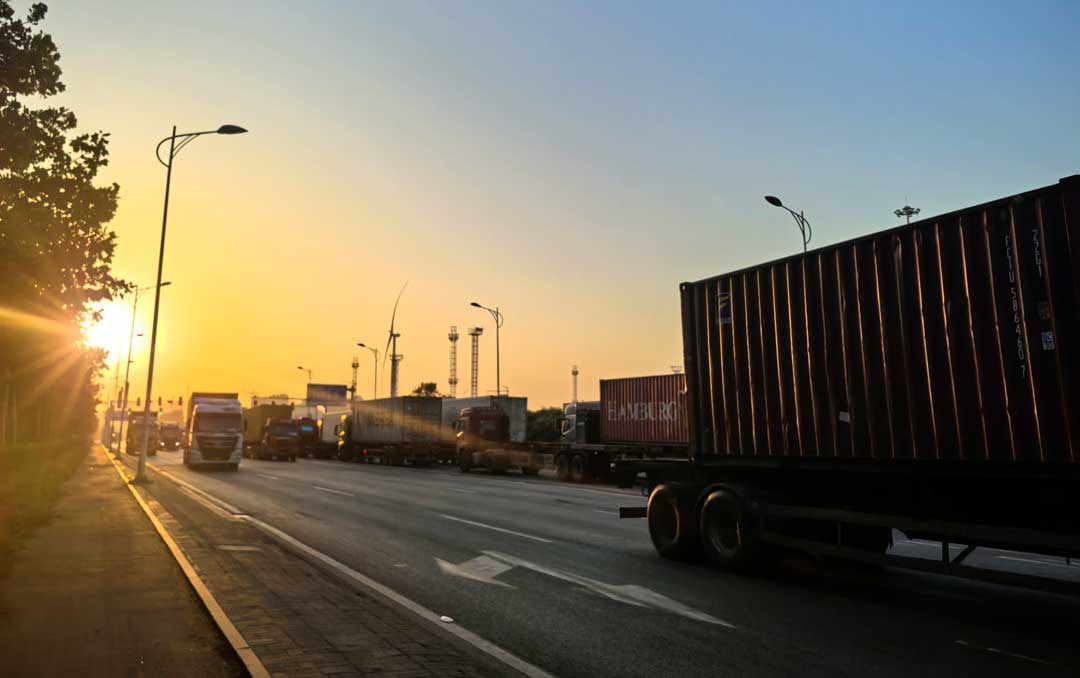
Greenville sits at 34 degrees 51 minutes north, 82 degrees 23 minutes west, on the southern edge of the Piedmont plateau at about 300 meters elevation, with the Blue Ridge Mountains to the northwest and the Atlantic coastal plain to the southeast. The city connects with Spartanburg via I-85, and the corridor between them is both an industrial belt and a rail and highway junction area.
Greenville's identity in the customs system is an inland clearance point, not a seaport. U.S. Customs and Border Protection (CBP) maintains the Greenville-Spartanburg port here, code 1603, with offices on West Phillips Road in Greer. Container cargo can move by rail from Charleston under the ocean carrier's bond, staying at the inland port in a state where title and duties have not yet been settled until subsequent transactions are completed. This decides Greenville's three uses.
One distinction to note: per CBP, some examinations and inspections are still completed in Charleston or bonded facilities in the Upstate region, and not all cargo can complete all examinations locally at Greer. The examination location determined at filing should be confirmed with the forwarder at booking stage.
| Item | Content |
| Inland port name | Inland Port Greer, owned and operated by the South Carolina Ports Authority |
| Address | 100 International Commerce Blvd., Greer, SC 29651 |
| Location | Along US Highway 29, I-85 Exit 58 |
| Opened | 2013 |
| Land area | About 91 acres |
| Operating hours | Container acceptance 24 hours, 7 days per week; gate open 24 hours |
| Rail | Norfolk Southern exclusive, overnight express trains to Charleston port six days per week |
| Yard manager | Will Angelich, phone 864-968-7902 |
| Driver assistance | 864-968-7901 |
| FIRMS code | M682 |
| Distance from Charleston | About 212 miles |
The port's operating structure is simple: rail loading lines inside, container stack in the middle, truck gate outside, connected by short-distance horizontal transport. This compact layout is the main reason for the yard's short average turnaround, about 11 minutes per official figures.
Because operations cover all hours, nighttime arrivals and early-morning pickups can both be arranged, which favors parts cargo needing delivery to plants before shift changes. Using nighttime hours requires that fleets and customs brokers are registered in the system and have obtained pickup instructions after release, warehouse receipt and fee settlement.
Greer and Charleston are connected by Norfolk Southern overnight express trains six days per week. Trains depart the night after cutoff and arrive the next morning or next afternoon. The table below shows the officially published cutoff and availability times in both directions, with schedules adjusted around holidays.
| Direction | Charleston cutoff | Greer available |
| Import (Monday) | Monday 15:30 | Tuesday 08:00 |
| Import (Tuesday) | Tuesday 15:30 | Wednesday 08:00 |
| Import (Wednesday) | Wednesday 15:30 | Thursday 08:00 |
| Import (Thursday) | Thursday 15:30 | Friday 08:00 |
| Import (Friday) | Friday 15:30 | Saturday 08:00 |
| Import (Saturday) | Saturday 12:00 | Monday 12:00 |
| Direction | Greer cutoff | Charleston available |
| Export (Monday) | Monday 16:00 | Tuesday 16:00 |
| Export (Tuesday) | Tuesday 16:00 | Wednesday 16:00 |
| Export (Wednesday) | Wednesday 16:00 | Thursday 16:00 |
| Export (Thursday) | Thursday 16:00 | Friday 16:00 |
| Export (Friday) | Friday 16:00 | Monday 12:00 |
| Export (Saturday) | Saturday 16:00 | Monday 12:00 |
Two points are visible from the tables: in the import direction, cutoff-day cargo can be delivered to the next morning's early train, with the rail leg itself under a day; Friday and Saturday export cutoffs both wait until Monday, so cross-weekend shipments sit at the port two extra days. When the loading date is fixed at booking stage, counting cutoff times backward should account for this gap, otherwise port storage fees are easily incurred.
Driven by volume growth, the SC Ports Authority expanded Inland Port Greer, with total investment of about USD 55 million, announced complete on 2025-03-26. The driving data is 355% volume growth from 2014 to 2024, about 16% annually.
| Item | Content |
| Stack | Container stack capacity up about 50%, with about 9 acres added on each of the east and west sides |
| Tracks | About 9,000 feet of additional track, able to handle longer trains |
| Chassis area | Chassis storage area expanded |
| Buildings | New terminal operations center and heavy equipment maintenance shop |
| Annual lift capacity | About 300,000 lifts after expansion, meeting demand expectations through 2040 |
| 2025 operations | Rail operations about 200,000, a record high |
| Funding | USDOT 2018 BUILD grant USD 25 million, SC Ports Authority received USD 13.75 million, held by SCDOT |
| Applicants | South Carolina Ports Authority, SCDOT, Norfolk Southern, BMW |
After the expansion's completion, the yard's used land is close to saturation, and the SC Ports Authority has publicly stated that if volumes continue to grow, another Upstate site may be needed within a few years. For importers, this means Greer's stack space will still be tight in peak season, and import boxes should not stay on site long-term.
All Greer containers enter and exit via the Port of Charleston. Charleston is on South Carolina's Atlantic coast, one of the deeper East Coast container ports, with Asian services arriving via the Panama Canal or Suez Canal. Rail trains are currently mainly handled at Wando Welch Terminal, because Hugh K. Leatherman Terminal suspended container operations from 2026-08-01, with the resumption date not yet announced.
| Port code | Port name | Notes |
| 1601 | Charleston | The state's main container port, office at 200 East Bay Street, Charleston, SC 29401 |
| 1602 | Georgetown | Mainly bulk and breakbulk |
| 1603 | Greenville-Spartanburg | Upstate inland port, office at 150 A West Phillips Road, Greer, SC 29650 |
| 1604 | Columbia | Central state port, office at 2533A Airport Boulevard, West Columbia, SC 29170 |
| 1681 | Myrtle Beach International Airport | Air port, office at 1100 Jetport Road, Myrtle Beach, SC 29577 |
All state ports fall under the Atlanta Field Office. Beyond Charleston, the SC Ports Authority operates a second inland port at Dillon in the northeast, serving flows in southern North Carolina and northeastern South Carolina.
Greenville's import demand comes from local manufacturing, and the foreign-trade zone is the main institutional tool for receiving these import components. The Upstate's zone is FTZ 38, grantee the South Carolina Ports Authority, approved in 1978, covering ten counties including Greenville and Spartanburg.
| Item | Content |
| Number | FTZ 38 (Spartanburg County) |
| Grantee | South Carolina Ports Authority |
| Approved | May 4, 1978 |
| Service area | Ten counties: Abbeville, Anderson, Cherokee, Greenville, Greenwood, Laurens, Oconee, Pickens, Spartanburg, Union |
| Activation cap | 2,000 acres, with about 1,636.21 acres activated |
| Main subzone companies | BMW Manufacturing, Fujifilm, Yanfeng, Black & Decker, Benteler, ZF Transmissions Gray Court, Electrolux, AFL Telecommunications, thyssenkrupp and others |
| Site examples | Global Trade Center (200 Forest Way, Greenville), Caliber Ridge Industrial Park (1501 Highway 101, Greer) |
| Contact | SC Ports Authority April Fletcher, (843) 577-8161 |
The industry base paired with the foreign-trade zone includes auto vehicles and components, aviation manufacturing and maintenance, electrical equipment, chemicals and advanced materials. The Upstate announced over USD 8 billion in manufacturing investment in 2024, BMW's Spartanburg plant's annual economic impact is about USD 26.7 billion, and Isuzu's new assembly plant in Greenville County is also progressing. These projects directly decide the category structure of import components: molds and fixtures, engine and drivetrain parts, electronic control units, packaging materials and production-line consumables take the main share.
Greenville is not on the coast, so all ocean cargo must reach a port first then transfer inland. Four optional routings exist, with selection based on timing requirements, volume and landing point.
| Route | Seaport leg | Inland leg | Applicable situations |
| Charleston rail direct | China to Charleston | Norfolk Southern overnight train to Greer, next-day available | Conventional FCL imports, landing in the Upstate or western North Carolina |
| Savannah transfer rail or truck | China to Savannah | Rail or truck into the Upstate | Alternative when Charleston schedules do not fit or space is tight |
| West Coast port plus rail | China to Los Angeles, Long Beach | Transcontinental rail to the Southeast, then short truck drayage | Northwest plant shipments, tight space, or clear ocean rate differentials |
| Air freight via GSP | China to hubs such as Incheon | Freighter direct to GSP or via hub transfer | Production-line shortages, high-value items and urgent replenishment |
Of the four routings, the Charleston plus overnight train combination balances total time and cost, and is one of the more used by local importers. The West Coast port plus rail plan usually has a longer total time, but when West Coast space is ample and ocean plus rail intermodal charges combined are below the Panama Canal route quote, it still has adoption value; evaluation should compare the whole chain's total cost, not ocean rate alone.
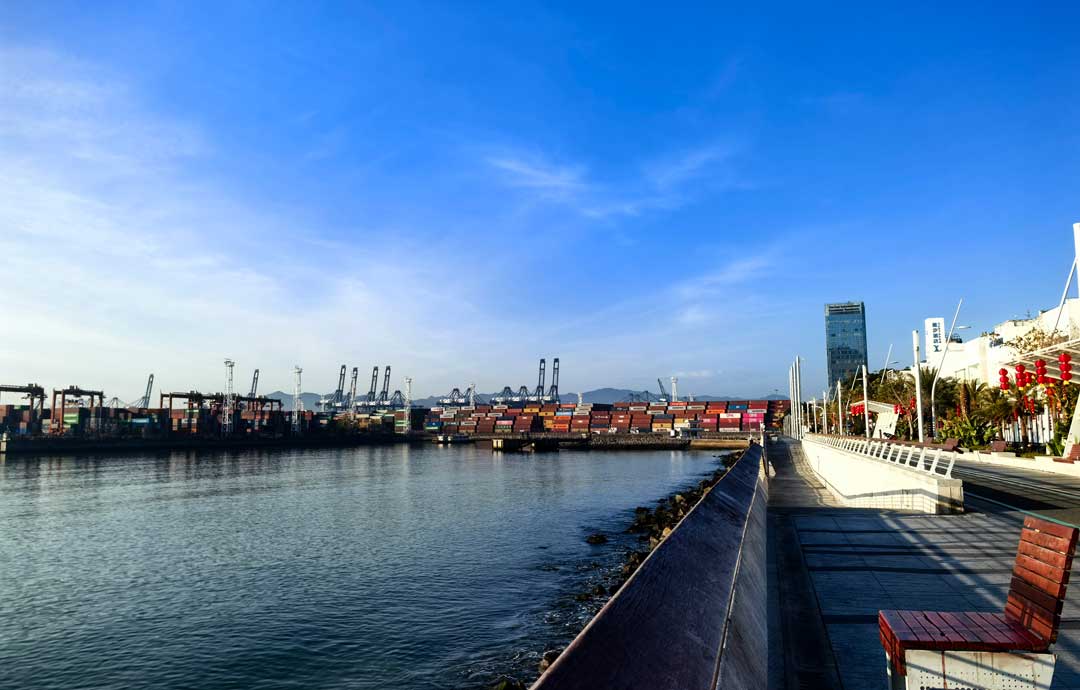
Transit time is estimated separately for the seaport and inland legs. The seaport leg uses the same caliber as other East Coast port pages, and the inland leg follows the conventional rhythm of rail and road. Times in the table are common ocean leg ranges, excluding booking, loading, export customs clearance and destination clearance.
| Origin port | Via Panama Canal to Charleston | Via Suez Canal to Charleston |
| Shanghai | About 26 to 34 days | About 30 to 38 days |
| Ningbo | About 26 to 34 days | About 30 to 39 days |
| Shenzhen | About 28 to 36 days | About 32 to 40 days |
| Xiamen | About 28 to 36 days | About 32 to 40 days |
| Qingdao | About 28 to 37 days | About 33 to 41 days |
| Inland leg | Conventional time | Notes |
| Charleston to Greer by rail | Overnight, about 1 day | Arrives the morning or afternoon after cutoff, including rail loading |
| Greer to downtown Greenville by road | About 30 minutes to 1 hour | Via I-85 and US 29 |
| Greer to Spartanburg by road | About 1 hour | Northeast via I-85 |
| Charleston to Greenville direct truck | Same-day possible | Truck direct plan when not using rail |
Combining both ends, the common range from major Chinese ports to the Greenville pickup point is about 30 to 42 days, depending on seaport leg schedules, rail cutoff timing and clearance rhythm. Suez-routed services are affected by Red Sea conditions, with Cape of Good Hope diversions occurring from time to time, and actual ocean time may rise over a week above the table's range; Panama-routed services can see some schedules delayed three to five days when canal-zone water levels are low. The carrier's current routing should be confirmed at booking stage, with buffer allowed in the delivery plan.
The Greenville-Spartanburg port's office is on West Phillips Road in Greer, under the Atlanta Field Office. Routine matters such as entry submission, duty payment, release and in-bond movement are mostly completed in-system by licensed customs brokers, and importers usually do not visit the port office directly, but understanding the port's division of labor helps anticipate the process.
Common documents importers need to prepare include the commercial invoice, packing list, bill of lading, certificate of origin and applicable admission certificates. Rules involving additional tariffs and merchandise admission change quickly.
The pickup process after a container arrives at Greer differs from seaport yards mainly in the registration requirements for customs brokers and fleets.
Because Greer does not require a TWIC port credential, the threshold for fleet access is relatively low, but registration and appointment remain hard requirements. Incomplete documentation can result in trucks being refused at the gate and rescheduled to the next day, especially in peak season.
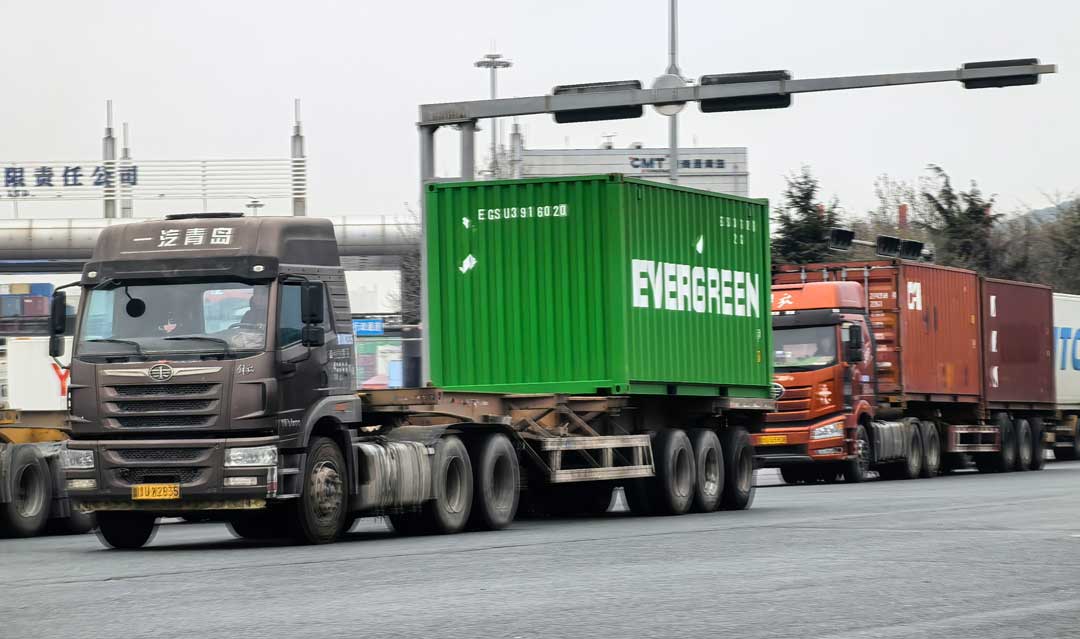
Three things must be confirmed before pickup: which yard the container is at, when the free period ends, and where to return the empty. Greer is an inland yard where import loaded boxes are picked up, but empty return locations may still be at the inland port, or may be designated to Charleston or other stacks, per the delivery order.
Examinations are decided by CBP, related to filing compliance, continuity of history and whether descriptions and prices are reasonable. Greenville's examination arrangements have two scenarios: completing the exam at Charleston before rail transfer, or examining inside bonded facilities in the Upstate region. The two scenarios differ significantly in cost and time.
Cargo can be returned, on the premise that it has not been consumed or delivered in the United States and remains at a yard, bonded warehouse or under customs supervision. Return requires U.S. export entry and Chinese import entry, with tax exemption applicable within the prescribed period for goods returned in their original state due to quality or specification reasons.
Operationally, the difficulty with returns is the inland leg: cargo must first move from Greer back to the export seaport for loading. If originally entered via Charleston, the same railroad's return trains can carry it; if entered via another port, it must first move back to that port by truck or rail. Export boxes' empty source may also differ from import boxes, and should be confirmed with the carrier. Return costs usually include return inland freight, export entry fees, ocean freight and storage at both ends, and these should be calculated together before deciding, compared with options of handling in the U.S. or resale.
Greenville's cargo rhythm is influenced by both consumer goods import cycles and local manufacturing production scheduling, so it is steadier than purely consumer-oriented inland points, but still has clear peak periods.
| Period | Cargo characteristics | Main influencing factors |
| January to February | Post-holiday trough, with a rush shipment wave before Chinese New Year | Chinese factory shutdown and restart rhythm around Chinese New Year |
| March to June | Relatively stable, with steady manufacturing replenishment demand | Auto and machinery industry production scheduling |
| July to October | Peak season, with retailers and e-commerce stocking for year-end | Space tightness, rate increases, port and rail congestion |
| November to December | Replenishment and inventory clearance coexist | Year-end holidays, early factory shutdowns |
Three local variables to anticipate: the June to November Atlantic hurricane season's effect on Charleston port and inland legs; summer thunderstorms' effect on drayage and rail operations; and peak-period rail train and railcar tightness. Peak-season bookings should be made two to three weeks early, with one to two weeks of buffer in the delivery plan.
Combining the above conditions, Greenville's value as an inland landing point concentrates in four areas.
The point needing relative attention is stack space elasticity. After expansion the yard's used land is close to saturation, and import boxes should not stay on site long-term in peak season; at the same time, Charleston's Leatherman Terminal suspension concentrates rail train handling capacity at one terminal, and schedule adjustments need earlier confirmation.
No. Greenville is an inland city in South Carolina's Upstate, with the container seaport at Charleston, about 212 miles away, connected by Norfolk Southern overnight trains. Greenville's role is inland port and clearance point.
Combining the seaport and inland legs, the common range is about 30 to 42 days, of which the ocean leg from Shanghai is about 26 to 34 days and the rail leg about 1 day. During peak season, low canal water levels or Red Sea diversions, actual time may extend over a week.
Containers can move to Greer under the ocean carrier's bond and stay in bond, with filing completed afterward. But per CBP, some examinations and inspections are still completed in Charleston or bonded facilities in the Upstate region, and not all cargo can complete all examinations locally at Greer.
Yes. Fleets must register with a fleet code from the SC Ports Authority's Orion system and book pickup slots. Greer does not require a TWIC port credential, but registration and appointment are hard requirements, and incomplete documentation may result in refusal at the gate.
Yes. The yard has a chassis pool with maintenance, but pool equipment is not mandatory, and own chassis, known in the industry as OFBT, are allowed. When using own equipment, state so at booking and confirm whether the yard accepts that equipment's entry and exit records.
Per the delivery order or carrier notice. Empty return points may be at the inland port, or designated to Charleston or other stacks. Returning to a non-designated yard generates container shift fees, and should be confirmed shipment by shipment before pickup.
Storage free time is set by the ocean carrier, commonly several days after the pickup notice, with ports and rail having their own free time calculations, and the two do not stack. Specific days should be checked in the carrier's system, and the LFD is usually per the date in that system.
First confirm whether the exam location is Charleston or Greer, then judge whether the rail leg needs deferral. Exam-generated service fees, drayage fees, devanning labor and storage fees are borne by the receiver regardless of exam outcome. Compliant filing, reasonable prices and continuous records can lower exam probability.
Yes, on the premise that the goods have not been consumed or delivered in the U.S. and remain under customs supervision. Return requires U.S. export entry and Chinese import entry, with tax exemption applicable within the prescribed period for original-state returns due to quality or specification issues. Inland return costs should be counted in advance.
GSP offers scheduled international all-freighter services to Europe and Asia, including a twice-weekly Shenyang freighter via Incheon from 2025. For production-line shortages and high-value cargo, air freight to GSP can go directly to the plant, avoiding inland transfer legs.
Both cities are in South Carolina's Upstate, connected by I-85, sharing one airport and one customs port. Inland Port Greer sits between them, serving both Greenville and Spartanburg counties, and the port name used in customs filings is usually written Greenville-Spartanburg.
July to October each year is the tightest, with retailers and e-commerce stocking for year-end holidays, ocean rates rising, space tightening, and ports and rail under simultaneous pressure. A further rush shipment wave runs from late December to early January. Peak-season bookings should be made two to three weeks early with one to two weeks of buffer.
Shipping from China to USA
Planning a shipment or just comparing options? Contact our freight experts to get a tailored rate within 24 hours.
