
Memphis sits at the southwestern corner of Tennessee on the east bank of the Mississippi River, at the geographic center of the US mid-South with roughly equal road distances to Chicago, Dallas, Atlanta and New Orleans. It is an inland quadrimodal hub rather than a seaport: the FedEx Express global super hub operates at Memphis International Airport, five Class I railroads serve the city, the International Port of Memphis covers 15 river miles of shallow-draft Mississippi, and I-40 and I-55 cross downtown. CBP inland port code 2006 sits under the New Orleans field office, and import entries can be filed at the seaport of entry or moved bonded to Memphis. The sections below cover the port of entry, air, rail, river and road conditions, FTZ 77, routings and transit times from China, and pickup after arrival.
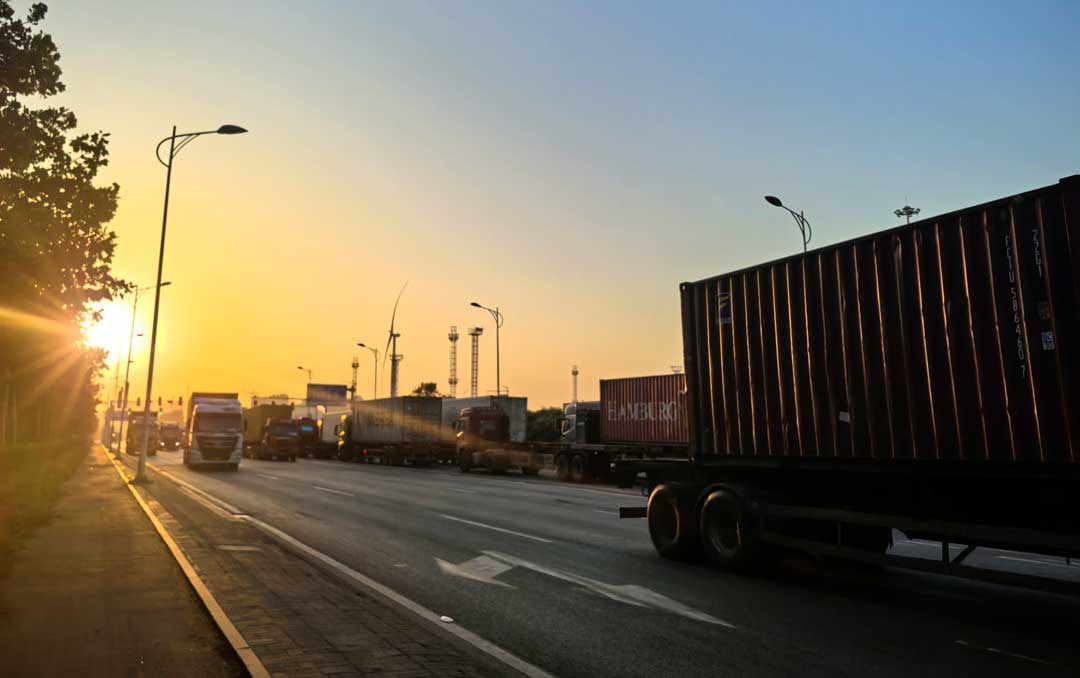
Memphis lies at roughly 35 degrees 09 minutes north and 90 degrees 03 minutes west, at the southwestern tip of Tennessee, facing Arkansas across the Mississippi River, with the Mississippi state line a short distance south. The location is described as the geographic center of the US mid-South, with road distances to Chicago, Dallas, Atlanta and New Orleans roughly equal, which is the natural condition for a distribution node.
Memphis's identity in the customs system is an inland port of entry, code 2006, under the New Orleans field office. Because air, rail, water and road all operate locally, the port's service windows are split by business type, with cargo matters on different channels from passenger matters.
| Item | Detail |
| Port code | 2006 |
| Registered name | Memphis, Tennessee |
| Office address | 2813 Business Park Drive, Building I, Memphis, TN 38118 |
| Telephone | +1 901-480-4000 |
| Office hours | Monday to Friday 08:00 to 17:00 Central Time; closed Saturday and Sunday |
| Field office | New Orleans |
| Operating model | Air, rail, water and road in parallel, led by air cargo and rail intermodal |
| Service area | City of Memphis and Shelby County, covering the surrounding distribution and warehousing cluster |
| Other Tennessee ports | Nashville 2007, Chattanooga 2008, Knoxville 2016 and Tri-Cities 2027, also under New Orleans |
The port's operating pattern is multiple entry points, single management: cargo can enter customs supervision from the airport, a rail yard or a river terminal, but filings and releases are handled at one port office. For importers this means clearance in Memphis does not depend on the mode of entry, though working hours differ widely between entry points, so pickup timing should be confirmed against the actual landing point.
Counter windows are split by business type, with import entry, fines and seizures, delayed inspection and FTZ matters on different telephones and hours. Import entry and fines are the two most frequently used.
| Window | Contact | Hours (Central Time) |
| Port switchboard and general inquiries | (901) 480-4000 | Monday to Friday 08:00 to 17:00 |
| Import entry section | (901) 480-4000 ext. 3 | Monday to Friday 08:00 to 17:00 |
| Fines, seizures and appeals | (901) 480-4000 ext. 2, fax (901) 480-4092 | Monday to Friday 08:00 to 17:00 |
| FTZ matters | (901) 480-4000 ext. 1 | Monday to Friday 08:00 to 17:00 |
| FedEx related inquiries | (901) 480-4000 ext. 1 | Monday to Friday 08:00 to 17:00 |
| Airport terminal office | Via the port switchboard | Monday to Friday 08:00 to 16:00 |
| Delayed inspection | (901) 480-4061 | Thursdays only, 08:00 to 15:00 |
| Specialized service centers | Commodity-specific desks | Weekday business hours, per port publication |
The specialized service centers run commodity-specific desks covering electronics, pharmaceuticals, oil and gas and minerals, apparel and textiles, agriculture and processed products, automotive and aerospace, base metals, consumer and mass-market goods, industrial and manufacturing materials, and machinery. For importers the practical meaning is that admission, labeling, sampling and testing questions for a given category can be settled with one set of contacts rather than transferred between departments. Fines and seizures matters also have a dedicated mailbox, MemphisFPF@cbp.dhs.gov, for written submissions.
Air is one of Memphis's distinguishing conditions: the FedEx global super hub operates here, and the airport's night volume and route coverage exceed those of a typical mid-sized city.
| Item | Detail |
| Airport | Memphis International Airport (code MEM) |
| Hub status | Home of the FedEx Express global super hub, with network links to more than 200 countries and regions |
| Hub scale | FedEx leases more than 34 million square feet of airport property and employs more than 11,000 people |
| Operations | About 400 flights a day, mostly at night; the hub can process about 180,000 parcels and 245,000 documents an hour |
| 2025 passengers | About 2.42 million, down 2.9 percent year on year |
| Customs presence | Terminal office at the airport, weekdays 08:00 to 16:00; FedEx inquiries via the port switchboard ext. 1 |
| Suited cargo types | Time-critical electronics, pharmaceuticals and medical devices, automotive and aerospace parts, samples and warranty returns |
Airport operations concentrate at night: inbound flights arrive between evening and midnight, cargo is sorted inside the hub and reloaded in the early hours. The practical effect for importers is that air cargo from China can usually be picked up or transferred the morning after landing, but if it lands into the hub's night peak, pickup slips to the afternoon. For time-critical orders, confirm the specific inbound wave with the carrier rather than relying on the landing time alone.
Rail is the main way full containers move in and out of Memphis. Five Class I railroads meet here, and Memphis is one of only four US cities served by all five, which also makes it the eastern node of the transcontinental trunk routes and the crossing point of north-south corridors.
| Railroad | Yard | Operating conditions |
| BNSF | Memphis Intermodal Facility, 4814 Lamar Avenue, FIRMS code P486 | 24 hours, 7 days; free time 48 hours from the notice date; devanning window 24 hours, 7 days |
| Union Pacific | Memphis intermodal yard at Marion, Arkansas, on the west bank, 5500 Kuhn Road | Linked to the city by the Harahan bridge; pickup requires cross-river dispatch |
| Norfolk Southern | Forrest Yard near Spottswood Avenue downtown; intermodal yard at Rossville, 3000 Norfolk Southern Way, FIRMS code P057 | Forrest Yard handles intermodal and automotive; intermodal cargo centers on Rossville |
| CSX and Canadian National | Shared Intermodal Gateway Memphis in the Pidgeon industrial area | Facing southeast and Canada-Gulf directions |
| Canadian National | Harrison Yard, southern node of the Chicago-New Orleans corridor | Handles north-south carload and intermodal consists |
| Network coverage | Per the local development agency, rail can reach 45 states plus Canada and Mexico within 48 hours | Cross-river movement can be completed by rail bridge or road bridge |
One detail to confirm in advance is which bank the landing point sits on. Union Pacific's intermodal yard is at Marion, Arkansas, on the west bank, separated from the city by the river, so pickup dispatch covers an extra cross-river leg compared with downtown yards. Before dispatch, check the yard name, FIRMS code and state together, to avoid dispatching on the city name alone and finding the yard is across the state line.
Memphis is the second-largest inland port on the shallow-draft reach of the Mississippi, and the reach stays ice-free year round. Rather than working off the main channel current, the port area relies on a dredged slackwater harbor system, which gives barges and vessels steadier handling conditions than a direct main-channel berth.
| Item | Detail |
| Port | International Port of Memphis |
| Status | Second-largest inland port on the shallow-draft Mississippi; ice-free year round |
| Water area | River miles 725 to 740, spanning both the Tennessee and Arkansas banks, 15 river miles in total |
| Waterfront facilities | 68, of which 37 are docks |
| Main port areas | McKellar Lake and President Island complex, Port of West Memphis, Rivergate, Wolf River Harbor and Fullen Wharf |
| President Island | Port industry is heavily concentrated here; site selected in 1946, with a dam linking the island's north end to the mainland and the Army Corps of Engineers dredging the slackwater harbor and raising the land |
| Main cargo types | Petroleum and refined products, cement, steel, fertilizer, grain, coal, salt, sand and gravel |
| Capacity comparison | One 15-barge tow carries about as much as 216 railcars or 1,050 semitrailers |
The river's direct role in container imports is limited: the International Port of Memphis handles mainly bulk, liquid and project cargo, and containers do not move by this waterway. Its value lies in the completeness of the inland network, since tank containers, oversized equipment and bulk materials can enter by barge without occupying rail and truck capacity, keeping the rail and road channels for full containers clearer. Mississippi low-water periods restrict barge loading, a variable that matters most during the Midwest agricultural export season.
Highway is how the last leg is completed in Memphis. Two interstate trunk routes and four cross-river bridges let local cargo reach most Southeast and Midwest markets within a day.
| Item | Detail |
| East-west trunk | I-40, about 210 miles east to Nashville and 135 miles west to Little Rock |
| North-south trunk | I-55, about 280 miles north to St. Louis and 210 miles south to Jackson, Mississippi |
| Other corridors | I-22 toward Birmingham, I-69 as a north-south corridor, I-240 as the downtown loop |
| Delivery radius | Per the local development agency, trucks can reach about 40 percent of the US population overnight and about 75 percent by the second day |
| Cross-river bridges | Hernando de Soto Bridge (I-40 road), Memphis-Arkansas Bridge (I-55 road), Harahan Bridge (rail, built 1916, now double track with a bike and pedestrian path), Frisco Bridge (rail, built 1892) |
| Cargo fit | Full-container delivery, LTL distribution, heavy and oversized equipment transport |
Two of the four cross-river bridges are rail bridges, meaning local cargo can cross the river without using the road bridges. This matters when a road bridge is congested, under maintenance or temporarily restricted: cargo needing to cross the river can hand over at a rail yard instead of waiting for the road bridge to reopen. Day-to-day road pressure comes mainly from construction and incidents on the I-40 and I-55 junction downtown, so that section's conditions should be built into the time budget for cross-state dispatch.
Four bridges cross the Mississippi at Memphis, two road and two rail. For logistics the practical meaning is that when a road bridge is congested or under maintenance, cross-river movement can still be completed by rail without waiting for the road bridge to reopen.
| Bridge | Opened | Carries | Role |
| Hernando de Soto Bridge | 1973 | I-40 road | Road crossing on the north side of the city and the Memphis crossing point of I-40 |
| Memphis-Arkansas Bridge | 1949 | I-55 road | Road crossing on the south side of the city, linking I-55 toward Arkansas |
| Harahan Bridge | 1916 | Rail, now double track | Rail crossing toward Union Pacific; a bike and pedestrian path was added at the end of 2016 |
| Frisco Bridge | 1892 | Rail, single track | Rail crossing toward BNSF; the earliest local river crossing |
The division of labor between the four bridges sets how cargo moves between the two banks. Union Pacific's intermodal yard sits at Marion, Arkansas, on the west bank, with its rail traffic crossing via the Harahan Bridge; BNSF traffic crosses via the Frisco Bridge; road traffic picks the I-40 or I-55 crossing by direction. Memphis is therefore one of the few inland cities that can cross the river by both rail and road, with rail cargo handing over at west-bank yards and road cargo using the downtown loop, the two channels not competing. For cross-river pickup, choose the route by the yard's bank and railroad, with no need to plan for bridge alternatives.
Memphis's distribution capability rests on four entry modes: cargo arriving by air, rail or water can all complete clearance, devanning, labeling and redistribution locally, which makes local warehouses function as regional distribution centers rather than pure transit storage.
| Item | Detail |
| Main locations | Southeast Memphis, the Pidgeon industrial area, President Island industrial park and the Memphis Depot business park |
| Established operators | Multinationals in sporting goods, home retail and pharmaceuticals with local distribution or production bases |
| Supporting services | Brokers, forwarders, trucking companies and devanning warehouses concentrated locally; one shipment can be completed end to end by one or two providers |
| Labor and land | Metro population above 1 million; industrial land concentrated south of the city and on the river port side |
| Suited functions | Regional distribution centers for the US mid-South and Southeast, e-commerce fulfillment, and temperature-controlled storage for pharmaceuticals and medical devices |
The main reason to site a regional distribution center in Memphis is coverage efficiency: an overnight truck run covers about 40 percent of the US population and about 75 percent by the second day. For importers the practical effect is a shorter stocking cycle, since one batch of cargo can ship from a single local hub instead of being stocked separately on both coasts. One point to note is that the local warehousing peak overlaps the FedEx year-end peak, so rent and labor costs rise noticeably from November.
Memphis's tariff arrangement sits in Foreign-Trade Zone 77, covering all of Shelby County and administered by the Memphis and Shelby County economic development body. For companies that need to store, sort or reprocess imported components before deciding between domestic sale and re-export, this arrangement can defer duty payment.
| Item | Detail |
| Number | Foreign-Trade Zone 77 (FTZ 77) |
| Service area | All of Shelby County, Tennessee |
| Grantee | City of Memphis |
| Administering body | Memphis and Shelby County economic development agency (EDGE) |
| Main sites | Port of Memphis, Southeast Memphis, Memphis Depot business park, and multiple compliant sites across the county |
| Activation cap | 2,000 acres (general purpose zone project cap), with sites added on a usage-driven basis |
| Main benefits | Duty deferral, duty exemption on re-export, and inverted tariff treatment where the finished product rate is lower than the imported component rate |
Zone 77 manages sites on a usage-driven basis, meaning qualifying companies can apply to add their own sites within the service area rather than moving into a designated park. This suits companies whose warehouses and production lines sit elsewhere in the county. The main benefits are duty deferral and re-export exemption; where the imported component rate exceeds the finished product rate, domestic sale can be processed at the finished product rate, which is the inverted tariff benefit. Use requires prior authorization plus inventory recordkeeping and entry and exit filing compliance.
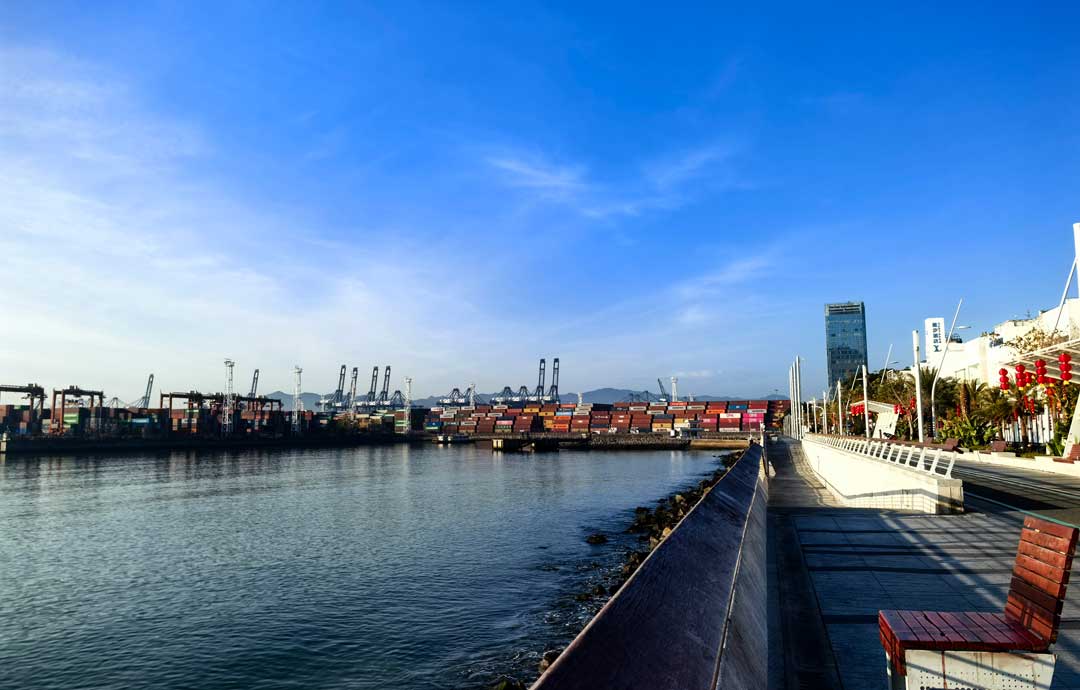
Memphis has no seacoast, so cargo from China always needs one domestic leg. Options divide by seaport of entry, differing mainly in ocean transit, domestic distance and the rail yard landing point.
| Route | Core steps | Suited to |
| West Coast seaport plus rail | Discharge at Los Angeles or Long Beach, clear customs at the port, then move by BNSF or Union Pacific to a Memphis yard | Full containers on tight deadlines needing the transcontinental trunk route |
| East Coast seaport plus rail | Discharge at Savannah or New York/New Jersey, then rail south or west to Memphis | Destinations in the US Southeast, or when the ocean rate gap is wide |
| Gulf seaport plus rail or road | Discharge at Houston or Mobile, then rail north or road north via I-55 | Shipments combining Gulf Coast and Tennessee directions |
| Air via the Memphis hub | Air freight from China, transferring via a major US hub to Memphis International Airport | Time-critical electronics, pharmaceuticals and medical devices, samples and warranty returns |
Of the four, West Coast plus rail gives the shortest overall transit and is the most common choice for full containers; the East Coast option avoids trans-Pacific peak-season space pressure on the ocean leg but has a longer domestic leg; the Gulf option suits cargo combined with Houston-bound shipments. Air costs markedly more than ocean and is used only on high-value, short-deadline orders. On any of the four, clearance can be done at the seaport of entry, or the cargo can move bonded to Memphis and clear there, the latter requiring carrier and yard support for bonded transfer.
Transit times are estimated for the ocean leg and the domestic leg separately, with ocean legs using the same ranges applied on other US port pages.
| Entry route | Ocean transit range | Domestic leg and total |
| Via Los Angeles or Long Beach (rail) | About 14 to 22 days | Rail about 3 to 5 days; total about 18 to 28 days |
| Via Savannah (rail) | About 30 to 40 days | Rail about 3 days; total about 34 to 45 days |
| Via New York/New Jersey (rail) | About 30 to 40 days | Rail about 3 to 5 days; total about 34 to 46 days |
| Via Houston or Mobile (rail or road) | About 30 to 40 days | Domestic leg about 2 to 3 days; total about 33 to 44 days |
| Air via Memphis International Airport | Departs a Chinese airport; about 3 to 7 days end to end | Transfers via a US hub; pickup can be arranged the morning after landing |
Times in the table exclude booking, loading, export clearance and import clearance. Services routing via the Suez Canal are exposed to Red Sea conditions, with Cape of Good Hope diversions occurring from time to time and actual ocean time possibly a week or more longer. Rail timing is also affected by yard queues, with West Coast block-train wait times extending in peak season, so allow two to three days of buffer on the domestic leg in the delivery schedule.
Pickup in Memphis happens at a rail intermodal yard or the air cargo station, with steps close to a seaport terminal flow but with appointment windows and free time set by the yard rather than by a terminal gate.
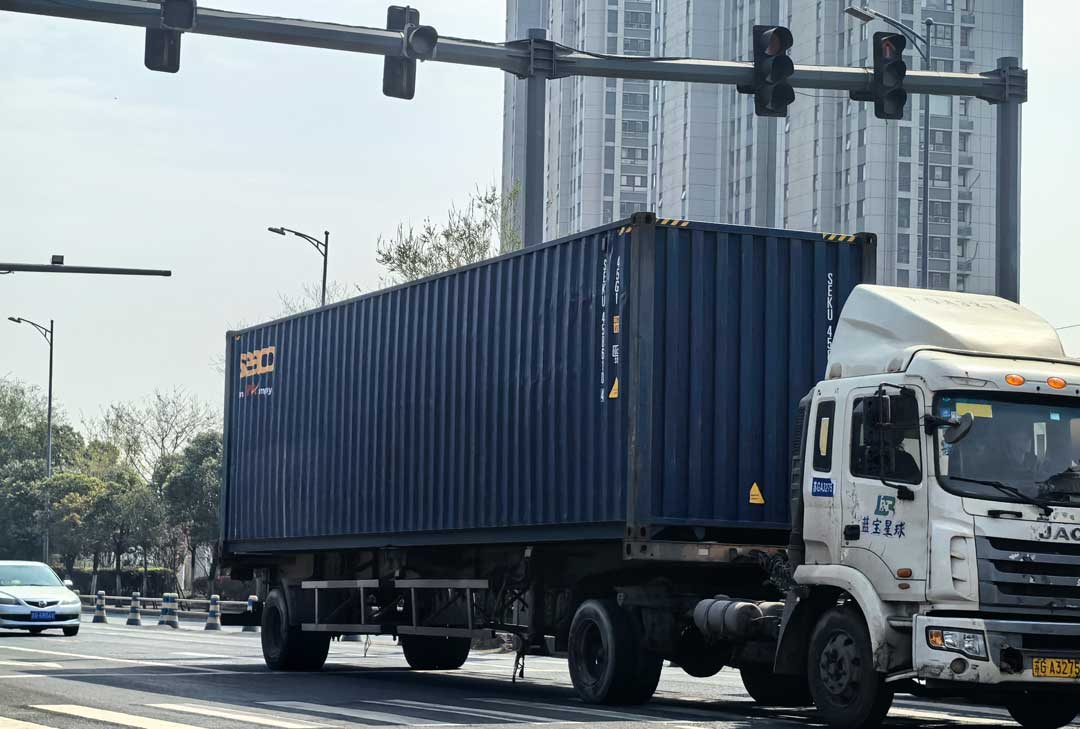
Four delay causes are common: dispatch times that do not account for the cross-river leg to a west-bank yard; unpaid charges or a hold flag leaving the container unpickable in the system; a chassis type that does not match the container type; and pickup slots falling outside the yard's working window. The BNSF Memphis intermodal yard works 24 hours, 7 days; other yards' hours should be confirmed one by one. Free time usually counts from the notice date, and storage charges after expiry are borne by the consignee.
Inspection selection is decided by CBP and relates to declaration compliance, history and commodity. Memphis inspections are completed at the air cargo station, a rail yard or a warehouse, with fines and seizures handled by the local port window.
| Item | Contact or detail |
| Fines, seizures and appeals window | (901) 480-4000 ext. 2, weekdays 08:00 to 17:00 Central Time |
| Dedicated mailbox | MemphisFPF@cbp.dhs.gov |
| Delayed inspection | (901) 480-4061, Thursdays only 08:00 to 15:00 Central Time |
| Commodity desks | Specialized service centers split by electronics, pharmaceuticals, automotive and aerospace, agriculture and processed products, and other categories |
| Inspection types | Document review, non-intrusive scanning, physical exam, and commodity-specific exams |
| Common specialized exams | Pharmaceuticals and medical devices, electronics and goods involving intellectual property rights, automotive parts, food and agricultural products, chemicals |
| Time impact | Document review usually one to two days; physical exams commonly three to seven business days, longer where sampling or testing is involved |
| Cost composition | Inspection service fees, yard lifting and handling, devanning and restuffing labor, and storage during inspection, borne by the consignee regardless of the outcome |
The way to lower inspection probability is the same as at a seaport: declared descriptions matching the goods, values within the normal range for comparable products, no undervaluation or mixed loading, a continuous import record, and documents consistent with marks and labels. Pharmaceuticals, medical devices and electronics account for a high share of cargo entering via Memphis, and these categories carry registration, labeling and admission requirements, covered in the US customs policy and additional tariff section. Questions on duty rates and customs value are covered in the US customs duty section.
One difference from a seaport is that Memphis's rhythm is set by rail block trains and airline flights rather than vessel calls. This brings two features: rail and air may keep working through holidays, but customs windows and brokers being off interrupts filings and releases.
| Period | Arrangement |
| Monday to Friday | Port office 08:00 to 17:00; airport terminal office 08:00 to 16:00; BNSF Memphis intermodal yard works around the clock |
| Saturday and Sunday | Port offices closed; rail and air yards work their own hours; filings and releases defer to the next working day |
| Federal holidays | Port closed and clearance interrupted; rail and air carriers may still operate but cargo cannot clear |
| Year-end holidays | FedEx enters its annual freight peak, hub and yards run tight, and customs windows shrink in the same period |
| Delayed inspection | Thursdays only; missing the day defers to the following week |
The periods to avoid most are federal holidays overlapping the year-end holiday period. There are 11 US federal legal holidays in total; the full list is in the US holiday section. Thursday-only delayed inspection is a window needing separate attention in Memphis: if cargo needs delayed inspection paperwork corrected for a document issue, scheduling it on a Thursday is the safer approach. Where the delivery plan carries fixed deadlines, allow two to three working days of buffer on either side of holidays.
Memphis's volume rhythm is set by three factors: the FedEx year-end peak, retail and e-commerce stocking cycles, and Mississippi River water levels. It does not move in step with Southern California ports, with air and rail volumes the reference.
| Period | Volume pattern | Main drivers |
| January to February | Post-holiday trough, with a rush of shipments before Lunar New Year | Chinese factory shutdown and restart rhythm; low water restricting barge loading |
| March to June | Relatively flat, with agricultural and building material volumes rising | Spring planting and construction season raw material purchasing |
| July to October | Peak season begins as retail and e-commerce stock for year-end | Tight space and rising rates at West and East Coast ports; longer rail block-train queues |
| November to December | Highest of the year, with express and air cargo volumes concentrated | Thanksgiving to Christmas e-commerce and express peak; customs windows shrink |
Three local variables should be planned for: the June to November Gulf hurricane season's effect on vessels and rail passing through affected ports; Mississippi low-water restrictions on barge loading, which indirectly squeeze rail and truck capacity; and the FedEx annual peak, with local trucking and warehouse labor tightening noticeably from November. Booking in peak season is best placed two to three weeks ahead, with one to two weeks of buffer in the delivery schedule. Overall transport arrangements are covered in the China-US freight section.
Taken together, Memphis's value as a US inland destination rests on four points.
Three points need attention. First, the city has no seacoast, so the international ocean leg must be completed elsewhere and the domestic leg has a real effect on deadlines. Second, Union Pacific's intermodal yard sits at Marion, Arkansas, on the west bank, so pickup and delivery need cross-river dispatch with distance and time calculated separately. Third, airport cargo operations concentrate at night, so air pickup timing follows flight waves and specific waves should be confirmed with the carrier for time-critical orders.
No. Memphis sits at the southwestern corner of Tennessee on the east bank of the Mississippi, with no seacoast and no ocean container terminal. It is an inland quadrimodal hub with air, rail, water and road conditions in parallel, and the international ocean leg is completed at ports such as Los Angeles, Long Beach, Savannah, New York/New Jersey or Houston.
Code 2006, registered name Memphis, Tennessee, office address 2813 Business Park Drive, Building I, Memphis, TN 38118, telephone +1 901-480-4000, open Monday to Friday 08:00 to 17:00 Central Time. The field office is New Orleans.
Via Los Angeles or Long Beach plus rail, the usual range is about 18 to 28 days, of which the ocean leg is about 14 to 22 days and rail about 3 to 5 days. Via Savannah about 34 to 45 days; via New York/New Jersey about 34 to 46 days; via Houston or Mobile about 33 to 44 days. By air via Memphis International Airport, about 3 to 7 days end to end.
Five Class I railroads. The BNSF Memphis intermodal yard is at 4814 Lamar Avenue, FIRMS code P486, working 24 hours, 7 days; Union Pacific's yard is at 5500 Kuhn Road, Marion, Arkansas, on the west bank; Norfolk Southern's intermodal yard is at 3000 Norfolk Southern Way, Rossville, FIRMS code P057; CSX and Canadian National share the Intermodal Gateway Memphis yard in the Pidgeon industrial area.
Three points. First, which bank the landing point sits on, since Union Pacific's yard is at Marion, Arkansas, and dispatch crosses the river. Second, yard hours and free time differ, with the BNSF yard working 24 hours, 7 days with 48-hour free time from the notice date and other yards confirmed one by one. Third, the empty return point may differ from the pickup point.
Yes. The International Port of Memphis is the second-largest inland port on the shallow-draft Mississippi, covering river miles 725 to 740 across the Tennessee and Arkansas banks, 15 river miles with 68 waterfront facilities of which 37 are docks, ice-free year round. Main cargoes are petroleum and refined products, cement, steel, fertilizer, grain, coal, salt and sand and gravel; containers do not use this waterway.
Memphis International Airport is home to the FedEx global super hub, with network links to more than 200 countries and regions. FedEx leases more than 34 million square feet at the hub, employs more than 11,000 people, runs about 400 flights a day mostly at night, and the hub can process about 180,000 parcels and 245,000 documents an hour. The airport handled about 2.42 million enplaned passengers in 2025.
The port is open Monday to Friday 08:00 to 17:00 Central Time, closed at weekends. The import entry section is via the switchboard ext. 3; fines, seizures and appeals via ext. 2; the airport terminal office runs weekdays 08:00 to 16:00; delayed inspection runs Thursdays 08:00 to 15:00.
Inspections are completed at the air cargo station, a rail yard or a warehouse, usually without cross-city haulage. Fines and seizures matters can be raised at (901) 480-4000 ext. 2 or by email to MemphisFPF@cbp.dhs.gov. Service fees, lifting and handling, devanning labor and storage during the inspection are borne by the consignee regardless of the outcome.
Yes, provided the goods have not been consumed or delivered in the United States and remain under customs control. A return requires export clearance in the United States and an import filing in China, and duty-free return of goods in their original condition may be claimed within the prescribed period where the cause is a quality or specification issue. Cargo entering via Memphis must first move to an export seaport for reloading, and the inland leg cost should be planned for.
Yes. FTZ 77 covers all of Shelby County, Tennessee, with the City of Memphis as grantee, administered by the Memphis and Shelby County economic development agency, adding sites on a usage-driven basis with a 2,000-acre activation cap. The main benefits are duty deferral, duty exemption on re-export, and inverted tariff treatment where the finished product rate is lower than the imported component rate.
Both approaches work. Full containers usually clear at the seaport of entry and then move in by rail; alternatively, with carrier and yard support, cargo can move bonded to Memphis and file the import entry there. Air cargo clears directly through the Memphis port (code 2006). Related rules are covered in the US customs information section.
A regional distribution center for the US Southeast and Midwest, an e-commerce fulfillment warehouse, or temperature-controlled storage for pharmaceuticals and medical devices. Per the local development agency, local trucks reach about 40 percent of the US population overnight and about 75 percent by the second day, with air, rail and water as supplementary entry modes. Note that the local warehousing peak overlaps the FedEx annual peak, and rent and labor costs rise noticeably from November.
Shipping from China to USA
Planning a shipment or just comparing options? Contact our freight experts to get a tailored rate within 24 hours.
