
Minneapolis sits on the east side of Minnesota astride the Mississippi River, with the state capital St. Paul on the opposite bank; the two cities are planned and serviced as one logistics market. It is an inland port of entry, CBP code 3501 under the Chicago field office, with the port office in Bloomington south of both downtowns. Four Class I railroads run intermodal yards across the metro area, the Minneapolis-St. Paul International Airport (MSP) handles the air channel, and commercial barge navigation actually ends at St. Paul, so there is no water option on the Minneapolis side. The sections below cover the port of entry and windows, rail yards, air, road, warehousing, FTZ 119, routings and transit times from China, and pickup after arrival.
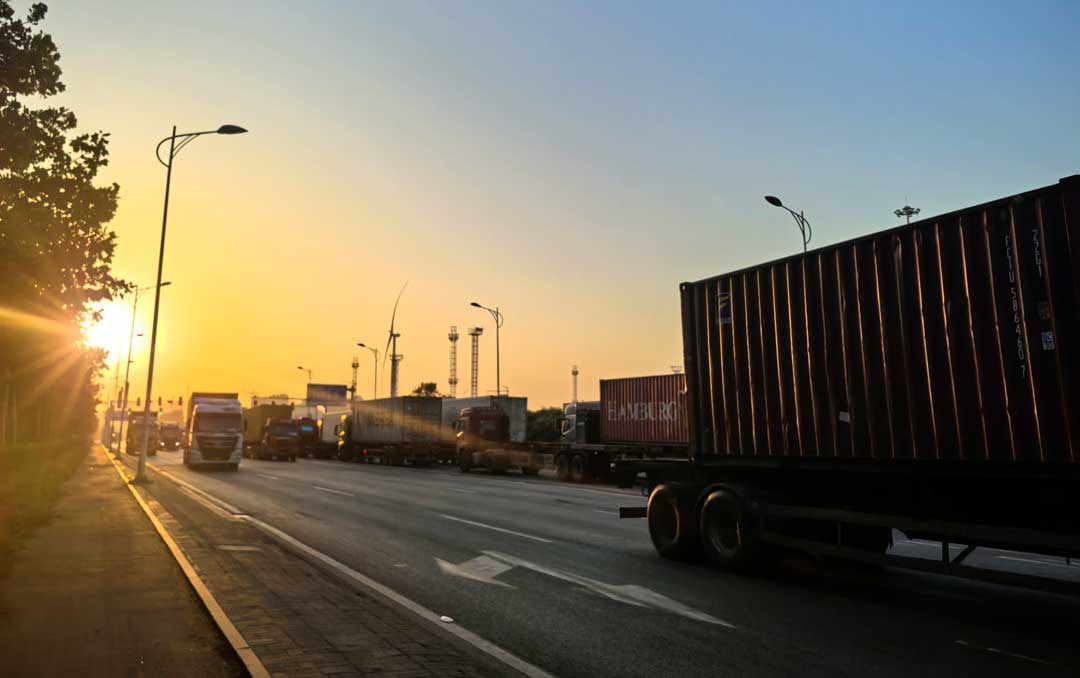
Minneapolis lies at roughly 44 degrees 58 minutes north and 93 degrees 15 minutes west, in eastern Minnesota, with the city spanning both banks of the Mississippi River. St. Paul, the state capital, sits on the opposite bank, and the two cities are closely linked economically, with logistics facilities often planned as one Twin Cities market.
Minneapolis-St. Paul's identity in the customs system is an inland port of entry, code 3501, under the Chicago field office. The port office sits in Bloomington on the south side of the metro, at a distance from both downtowns, so trips should be planned against the actual address.
| Item | Detail |
| Port code | 3501 |
| Registered name | Minneapolis-St. Paul, Minnesota |
| Office address | 5600 W American Blvd, Suite 760, Bloomington, MN 55437 |
| Telephone and fax | +1 952-857-3100; fax +1 952-857-3230 |
| Port director | Jason W. Schmelz |
| Office hours | Monday to Friday 08:30 to 17:00 Central Time; closed Saturday and Sunday |
| Field office | Chicago |
| Host airport | Minneapolis-St. Paul International Airport (code MSP), plus the KMSP general aviation facility |
| Other Minnesota ports | Duluth-Superior 3510 (also under Chicago), plus the Grand Portage, International Falls and Roseau border ports |
The port office sits in Bloomington rather than in Minneapolis or St. Paul proper, which matters when dealing with the office locally: import entry and cargo windows are at the Bloomington office while the cargo itself sits at rail yards across the two downtowns and into Wisconsin. Confirm the office location and the yard location separately before arranging a visit or filing documents, rather than planning by city name.
Counter windows are split by business type, with cargo handling, delayed inspection, fines and landing rights on different telephones and mailboxes. Cargo handling and delayed inspection are the two most frequently used.
| Window | Contact | Hours (Central Time) |
| Port switchboard | +1 952-857-3100, fax +1 952-857-3230 | Monday to Friday 08:30 to 17:00 |
| Cargo handling | (612) 727-3415, 3501cargo@cbp.dhs.gov | Monday to Friday 08:30 to 17:00 |
| Agriculture inspection | 3501.CargoAQI@cbp.dhs.gov | Weekday business hours |
| Delayed inspection and I-94 corrections | (612) 727-3415 ext. 5 and ext. 2; 7150 Humphrey Drive, Suite HT-2198A | Monday to Thursday only, 08:00 to 14:00; closed Friday and weekends |
| Fines, seizures and appeals | 952-857-3100, MINNEAPOLISFPF@cbp.dhs.gov | Weekday business hours; in-person meetings by appointment |
| Landing rights applications | 3501-landingrights@cbp.dhs.gov | Weekday business hours |
| Global Entry window | (612) 727-3415 | Weekday business hours |
| KMSP general aviation facility | 3800 East 70th Street, Minneapolis, MN 55450; KMSP_GAP@cbp.dhs.gov | Monday to Friday 10:00 to 18:00; no weekend or federal holiday service; no resident staff |
Two arrangements need separate attention. First, delayed inspection and I-94 corrections run Monday to Thursday 08:00 to 14:00 only, closed Friday and weekends, so document corrections should be scheduled early in the week. Second, the KMSP general aviation facility has no resident staff: landing rights must be applied for 48 hours in advance, with a plus or minus 30 minute tolerance on the approved time, and business jet and charter plans should be built around that.
Rail is the main way full containers move in and out of the Twin Cities. Four Class I railroads run intermodal yards here, three within the metro and one on the Wisconsin side. A local feature is that most yards sit inside the urban fabric, which changes operating conditions compared with suburban yards.
| Railroad | Yard | Address and code | Operating conditions |
| BNSF | St. Paul (Midway) intermodal yard | 1701 Pierce Butler Route, St. Paul, MN 55104; FIRMS code J828 | Piggyback and reach stacker compatible; about 500 trucks a day enter; intermodal lanes to Chicago Cicero, Dallas-Fort Worth Alliance, Los Angeles Hobart, Seattle South Seattle and Tacoma |
| Union Pacific | Twin Cities intermodal yard (TCIT) | 525 Kasota Avenue SE, Minneapolis, MN 55414 | Handles COFC; gate Monday to Friday 06:00 to 21:00, Saturday and Sunday 08:00 to 17:00; UPGo app dedicated lane; intermodal service 800-272-8777 |
| Canadian Pacific Kansas City | Minneapolis yard | 2800 Central Ave NE, Minneapolis, MN 55418; FIRMS code J554 | Faces Canadian and Mexican directions; yard in the northeast of the city |
| Canadian National | New Richmond yard | 1099 Business Hwy 64, New Richmond, WI 54017 | About 40 miles east of the metro; takes overflow from downtown yards; longer in and out runs |
| Canadian National | Duluth port yard | 1310 Port Terminal Drive, Duluth, MN 55802 | On Lake Superior, linked with the Port of Duluth-Superior, about 150 miles from the metro |
| Yards and equipment pools | Multiple independent operators | CTX (2752 Central Ave NE), Universal Intermodal Services (630 30th Ave NE), ITI Intermodal (620 Malcolm Ave SE) | Container storage, chassis and container condition inspection services |
Yard locations have a real effect on dispatch planning. The BNSF yard sits in St. Paul's Midway industrial area next to rail and built-up districts, with noticeable entry queues at morning and evening peak; the UP yard sits on Kasota Avenue in Minneapolis surrounded by distribution centers, with heavy daytime traffic; the CPKC yard sits in the northeast of the city next to residential areas and has in-yard noise rules, so vehicles should wait inside rather than idle on surrounding streets. CN's New Richmond yard is on the Wisconsin side with a clearly longer round trip, but being outside the city its entry queues are usually shorter, making it an alternative landing point when downtown yards are congested.
Air is the Twin Cities' second main channel after rail. Minneapolis-St. Paul International Airport is the port's host airport, with cargo handling and agriculture inspection windows both based here.
| Item | Detail |
| Airport | Minneapolis-St. Paul International Airport (code MSP) |
| Customs presence | Cargo handling window (612) 727-3415, 3501cargo@cbp.dhs.gov; agriculture inspection 3501.CargoAQI@cbp.dhs.gov |
| General aviation | KMSP general aviation facility, 3800 East 70th Street, Minneapolis, MN 55450, Monday to Friday 10:00 to 18:00 |
| Landing rights | Apply 48 hours in advance, approved tolerance plus or minus 30 minutes, 3501-landingrights@cbp.dhs.gov |
| Suited cargo types | Medical devices and consumables, electronic components, samples and warranty returns, emergency parts |
| Transit positioning | About 3 to 7 days end to end from a Chinese airport, transferring via a major US hub to MSP |
The local air conditions follow the industry structure: the metro area has a cluster of medical device and food processing companies whose imports are parts, consumables and development samples, with small batches, frequent shipments and high timing requirements that suit air freight. The KMSP general aviation facility has no resident staff, so business jets and charters must apply for landing rights 48 hours ahead with a plus or minus 30 minute tolerance on the approved time, and both the lead time and the tolerance should be built into the plan for this traffic.
The Twin Cities sit on the upper Mississippi, but commercial barge navigation actually ends at St. Paul. The Upper St. Anthony Falls lock upstream on the Minneapolis side closed permanently in 2015, and the local reach no longer carries commercial barge traffic, with the municipal river terminal also closed.
| Item | Detail |
| Channel position | Upper Mississippi; the Minneapolis reach lies above St. Anthony Falls |
| Navigation boundary | Commercial barge navigation ends at St. Paul, with operations concentrated below Lock and Dam No. 1 (Ford Dam) |
| Upper lock | The Upper St. Anthony Falls lock closed permanently in 2015; commercial barges no longer pass on the Minneapolis side |
| Terminal status | The municipal river terminal is closed; the local area handles no barge loading or unloading |
| Effect on imports | Containers and bulk do not move by water locally; the actual channels are rail and road |
The causes are channel conditions and falling volumes together: the Minneapolis reach sits in a gorge above the falls and historically needed multiple locks to navigate, with high operating costs, and as rail and road networks matured local barge volumes declined until the upper lock closed in 2015. For importers the practical meaning is that Twin Cities imports have no water option; full containers have only rail and truck for the domestic leg.
Highway is how the last leg is completed in the Twin Cities. Two interstate trunk routes and the metro ring let local cargo radiate across the upper Midwest, though winter weather has a clear effect on delivery times.
| Route | Direction and role |
| I-94 | Southeast via Wisconsin to Chicago; northwest toward North Dakota and Montana |
| I-35 | North-south through the Twin Cities, south via Iowa and Missouri to Texas, north to Duluth |
| I-494 and I-694 | Form the metro ring, linking the main industrial areas and the airport |
| Delivery scope | Minnesota, western Wisconsin, northern Iowa, eastern North and South Dakota, and the Canadian border area |
| Seasonal constraint | November to March is the snow and ice period, with outdoor work and road delivery weather-dependent |
| Suited cargo types | Full-container delivery, LTL distribution, heavy equipment transport |
Minnesota road transport has one seasonal constraint: after temperatures stay below freezing for long periods, snow clearing and salting bring road salt corrosion, and some state highways carry seasonal weight restrictions, with heavy-vehicle overload tolerance tightening during the spring thaw. Permits and weight limits should be confirmed together for heavy and oversized delivery. Outside winter the Twin Cities network runs smoothly, and from a downtown yard a day's drive covers most markets in Minnesota, western Wisconsin, northern Iowa and the eastern Dakotas.
Twin Cities warehousing and distribution follow the local industry structure. The metro area has a cluster of medical device, food processing and retail headquarters companies, with storage demand led by high-value temperature-controlled cargo and regional distribution.
| Item | Detail |
| Main locations | Kasota Avenue and Central Avenue in the Twin Cities, St. Paul's Midway industrial area, and the Bloomington and Eagan direction |
| Industry background | Medical devices, food and beverage processing, agricultural machinery, retail headquarters and finance and insurance |
| Supporting services | Brokers, forwarders, trucking companies and container yards concentrated locally, with providers able to complete pickup, devanning and delivery in one market |
| Suited functions | Regional distribution centers for the US upper Midwest and the Canadian border area, temperature-controlled storage for medical devices and food |
| Seasonal factor | Heated storage demand rises in winter and open yard use is limited |
The Twin Cities' coverage as a distribution point is the US upper Midwest: south to Iowa and Nebraska, west to the Dakotas, and north across northern Minnesota to the Canadian border. The common feature of this range is lower population density than either coast, so the local warehouse role is normally a regional distribution center rather than a national one. Siting a national distribution center in the Twin Cities is not appropriate, but concentrating upper Midwest and Canadian border distribution here clearly shortens last-mile distances.
The Twin Cities' tariff arrangement sits in Foreign-Trade Zone 119, administered by the metropolitan area FTZ commission as grantee, with a service area covering 15 counties in eastern and southern Minnesota.
| Item | Detail |
| Number | Foreign-Trade Zone 119 (FTZ 119) |
| Approved | July 24, 1985, with subsequent expansions and reorganizations |
| Grantee | Greater Metropolitan Area FTZ Commission |
| Service area | 15 counties: Isanti, Chisago, Sherburne, Wright, Anoka, Washington, Ramsey, Hennepin, McLeod, Carver, Scott, Dakota, Sibley, Le Sueur and Rice |
| Activation cap | 2,000 acres, with 287.7 acres activated |
| Contact | David Heyer, 651-259-7468, P.O. Box 4933, St. Paul, MN 55101 |
| Main benefits | Duty deferral, duty exemption on re-export, and inverted tariff treatment where the finished product rate is lower than the imported component rate |
Zone 119 manages sites on a usage-driven basis, so qualifying companies in the service area can apply to add their own sites without moving into a designated park. The activated area still has room against the 2,000-acre cap and can absorb new site applications. The main benefits are duty deferral and re-export exemption; where the imported component rate exceeds the finished product rate, domestic sale can be processed at the finished product rate, which is the inverted tariff benefit. For local medical device and machinery manufacturers that assemble imported parts for re-export, this arrangement can directly reduce tariff cost. Use requires prior authorization.
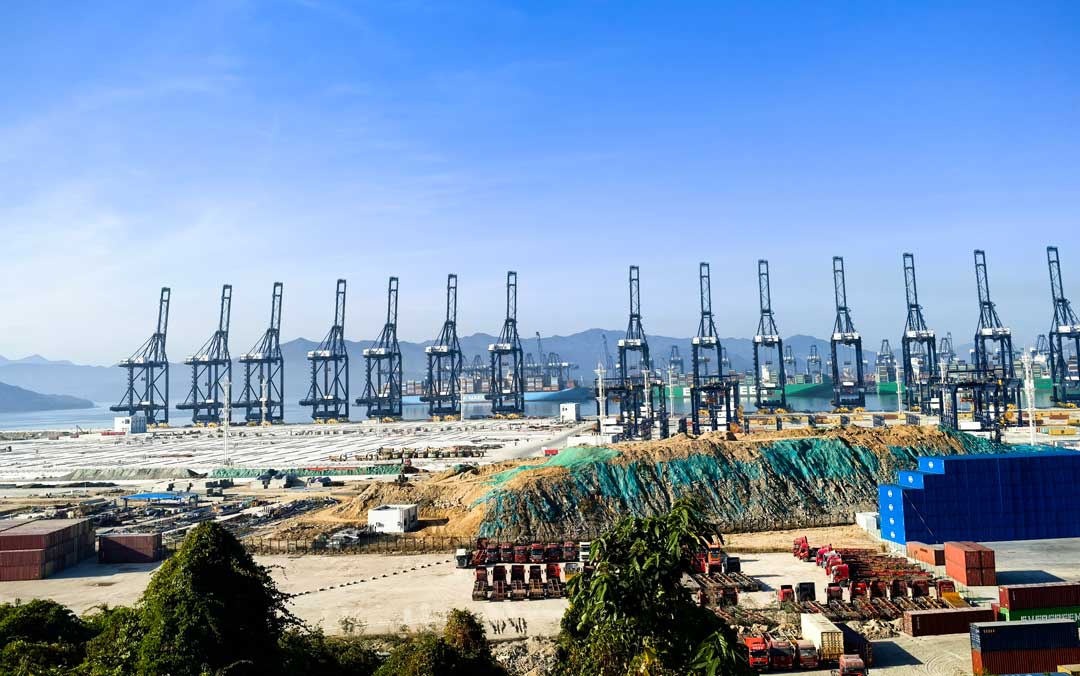
Minneapolis has no seacoast, so cargo from China always needs one domestic leg. Options divide by seaport of entry, differing mainly in ocean transit, domestic distance and yard landing point.
| Route | Core steps | Suited to |
| West Coast seaport plus rail | Discharge at Los Angeles, Long Beach, Seattle or Tacoma, then rail via BNSF or Union Pacific to a Twin Cities yard | Full containers on tight deadlines needing the transcontinental trunk route |
| Canadian port plus rail | Discharge at Prince Rupert or Vancouver, then rail south via Canadian National or Canadian Pacific Kansas City into the Twin Cities | A further option when cargo flows link smoothly with Canadian rail networks |
| East Coast seaport plus rail | Discharge at New York/New Jersey or Savannah, then rail west via Chicago to the Twin Cities | Wide ocean rate gaps, or consignees with East Coast cargo at the same time |
| Air via Minneapolis-St. Paul | Air freight from China, transferring via a major US hub to MSP | Medical devices and consumables, electronic components, samples and emergency parts |
Of the four, West Coast plus rail gives the shortest overall transit and is the most common choice for full containers; the Canadian port option is a viable alternative when trans-Pacific space is tight; the East Coast option avoids peak-season trans-Pacific space pressure but has a longer domestic leg; air costs markedly more than ocean and is used only on high-priority orders. On any of the four, clearance can be done at the seaport of entry, or the cargo can move bonded to the Twin Cities and clear there, the latter requiring carrier and yard support for bonded transfer.
Transit times are estimated for the ocean leg and the domestic leg separately, with ocean legs using the same ranges applied on other US port pages.
| Entry route | Ocean transit range | Domestic leg and total |
| Via Los Angeles or Long Beach (rail) | About 14 to 22 days | Rail about 5 to 7 days; total about 20 to 30 days |
| Via Seattle or Tacoma (rail) | About 16 to 24 days | Rail about 4 to 6 days; total about 21 to 31 days |
| Via Prince Rupert or Vancouver (rail) | About 17 to 25 days | Rail about 5 to 7 days; total about 22 to 33 days |
| Via New York/New Jersey (rail) | About 30 to 40 days | Rail about 4 to 6 days; total about 35 to 46 days |
| Air via Minneapolis-St. Paul | Departs a Chinese airport; about 3 to 7 days end to end | Transfers via a US hub, then handled per cargo window hours after landing |
Times in the table exclude booking, loading, export clearance and import clearance. Services routing via the Suez Canal are exposed to Red Sea conditions and can run a week or more longer in practice. In winter the local airport may see de-icing and flight adjustments that extend air times, and rail segments can stretch one to two days from yard queues in peak season. Allow two to three days of buffer on the domestic leg in the delivery schedule.
Pickup in Minneapolis happens at rail intermodal yards, with steps close to a seaport terminal flow but with appointment windows set by the rail yard rather than by a terminal gate.
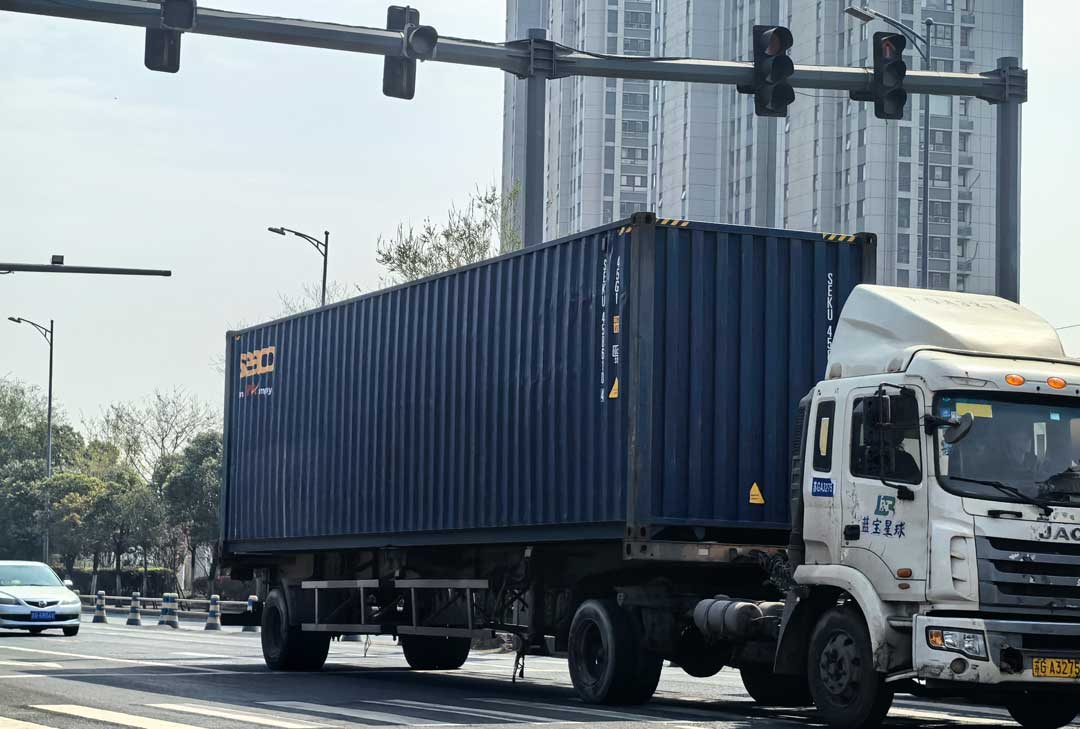
Four delay causes are common: morning and evening peak queues at downtown yards, particularly around St. Paul's Midway industrial area and Minneapolis' Kasota Avenue; unpaid charges or a hold flag leaving the container unpickable in the system; a chassis type that does not match the container type; and winter snow and ice delaying delivery. The first three are predictable and can be checked through yard systems before dispatch. Downtown yards have rules on vehicle waiting and idling on surrounding roads, so drivers should stay in in-yard waiting areas.
The Twin Cities' operating rhythm is set by rail block schedules, airline flights and port office hours together. Through holidays rail and air may keep working, but customs windows and brokers being off interrupts filings and releases.
| Period | Arrangement |
| Monday to Friday | Port office 08:30 to 17:00; UP Twin Cities yard 06:00 to 21:00; BNSF St. Paul yard works per block schedule |
| Saturday and Sunday | Port office closed, filings and releases defer to the next working day; UP Twin Cities yard works shortened hours 08:00 to 17:00 |
| Federal holidays | Port closed and clearance interrupted; the KMSP general aviation facility provides no service at weekends or on federal holidays |
| Delayed inspection | Monday to Thursday 08:00 to 14:00 only, closed Friday and weekends |
| Winter snow and ice | Road delivery and airport flights are weather-dependent; air may slip from de-icing and flight adjustments |
The periods to avoid most are federal holidays and the winter snow and ice period. There are 11 US federal legal holidays in total; the full list is in the US holiday section. Delayed inspection runs Monday to Thursday only, a window needing separate attention locally. Where the delivery plan carries fixed deadlines, allow two to three working days of buffer around holidays and snow advisories.
Twin Cities volume rhythm is set by medical device and food processing purchasing cycles, retail and e-commerce stocking, and winter transport conditions together. It differs from port-city rhythm and follows the farming calendar and temperature more directly.
| Period | Volume pattern | Main drivers |
| January to February | Post-holiday trough, with a rush of shipments before Lunar New Year | Chinese factory shutdown and restart rhythm; severe local cold affects delivery efficiency |
| March to June | Relatively flat, with agricultural machinery and seasonal goods rising | Spring stocking; retail channel seasonal shelf loading |
| July to October | Peak season begins as retail and e-commerce stock for year-end | Tight space and rising rates at West and East Coast ports; longer rail block-train queues |
| November to December | Restocking and clearance together, with a rising share of high-priority shipments | Year-end promotions and holiday delivery; winter weather begins to affect air and road delivery |
Three local variables should be planned for: the November to March snow and ice period, which affects road delivery and airport operations at the same time; entry queues at downtown rail yards in peak season, which extend pickup times; and purchasing cycles in medical devices and food processing, whose stocking rhythm does not fully match the retail peak. Booking in peak season is best placed two to three weeks ahead, with one to two weeks of buffer in the delivery schedule. Overall transport arrangements are covered in the China-US freight section.
Taken together, the Twin Cities' value as a US upper Midwest destination rests on four points.
Three points need attention. First, the metro has no seacoast, so the international ocean leg must be completed elsewhere and the domestic leg has a real effect on deadlines. Second, commercial barge navigation ends at St. Paul and the Minneapolis reach carries no commercial barge traffic, so there is no local water option. Third, most rail yards sit inside the urban fabric with noticeable morning and evening peak entry queues, and the November to March snow and ice period affects road delivery and airport operations together, so both should be built into planning.
No. Minneapolis sits in eastern Minnesota on the upper Mississippi with no seacoast and no ocean container terminal. It is an inland port of entry; the international ocean leg is completed at ports such as Los Angeles, Long Beach, Seattle, Tacoma, Prince Rupert or Vancouver, with the domestic leg mainly by rail.
Code 3501, registered name Minneapolis-St. Paul, Minnesota, office address 5600 W American Blvd, Suite 760, Bloomington, MN 55437, telephone +1 952-857-3100, fax +1 952-857-3230, port director Jason W. Schmelz, open Monday to Friday 08:30 to 17:00 Central Time. The field office is Chicago.
Four Class I railroads. The BNSF St. Paul (Midway) yard is at 1701 Pierce Butler Route, St. Paul, FIRMS code J828; the Union Pacific Twin Cities yard is at 525 Kasota Avenue SE, Minneapolis; the Canadian Pacific Kansas City yard is at 2800 Central Ave NE, Minneapolis, FIRMS code J554; Canadian National's New Richmond yard is at 1099 Business Hwy 64 on the Wisconsin side.
Via Los Angeles or Long Beach plus rail the usual range is about 20 to 30 days; via Seattle or Tacoma about 21 to 31 days; via Prince Rupert or Vancouver about 22 to 33 days; via New York/New Jersey about 35 to 46 days. By air via Minneapolis-St. Paul, about 3 to 7 days end to end.
No commercial river transport. Commercial barge navigation on the upper Mississippi ends at St. Paul, the Upper St. Anthony Falls lock on the Minneapolis side closed permanently in 2015, and the municipal river terminal is also closed. Local imports have only rail and truck for the domestic leg.
Three points. First, most yards sit inside the urban fabric, with noticeable entry queues at morning and evening peak around St. Paul's Midway industrial area and Minneapolis' Kasota Avenue. Second, gate hours differ by yard, with the UP Twin Cities yard running Monday to Friday 06:00 to 21:00 and Saturday and Sunday 08:00 to 17:00 and other yards confirmed one by one. Third, downtown yards have rules on vehicle waiting and idling on surrounding roads, so drivers should stay in in-yard waiting areas.
Monday to Friday 08:30 to 17:00 Central Time, closed at weekends. The cargo handling window runs the same hours; delayed inspection and I-94 corrections run Monday to Thursday 08:00 to 14:00 only, closed Friday and weekends; the KMSP general aviation facility runs Monday to Friday 10:00 to 18:00 with no service at weekends or on federal holidays.
Inspections are completed at the air cargo station, a rail yard or a warehouse. Cargo handling can be raised at (612) 727-3415 or 3501cargo@cbp.dhs.gov; agriculture inspection at 3501.CargoAQI@cbp.dhs.gov; fines and seizures at 952-857-3100 or MINNEAPOLISFPF@cbp.dhs.gov, with in-person meetings by appointment. Inspection costs are borne by the consignee regardless of the outcome.
Yes, provided the goods have not been consumed or delivered in the United States and remain under customs control. A return requires export clearance in the United States and an import filing in China, and duty-free return of goods in their original condition may be claimed within the prescribed period where the cause is a quality or specification issue. Cargo entering via the Twin Cities must first move to an export seaport for reloading, and the inland leg cost should be planned for.
Yes. FTZ 119 was approved on July 24, 1985, with the Greater Metropolitan Area FTZ Commission as grantee; the service area covers 15 counties in eastern and southern Minnesota, with a 2,000-acre activation cap and 287.7 acres activated. Contact David Heyer, 651-259-7468. The main benefits are duty deferral and duty exemption on re-export.
Minneapolis-St. Paul International Airport (code MSP) is the port's host airport with cargo handling and agriculture inspection windows. General aviation uses the separate KMSP facility at 3800 East 70th Street, open Monday to Friday 10:00 to 18:00; landing rights must be applied for 48 hours in advance with a plus or minus 30 minute tolerance, and the site has no resident staff.
Both approaches work. Full containers usually clear at the seaport of entry and then move in by rail; alternatively, with carrier and yard support, cargo can move bonded to the Twin Cities and file the import entry there. Air cargo clears directly through the Minneapolis-St. Paul port (code 3501). Related rules are covered in the US customs information section.
A regional distribution center for the US upper Midwest and the Canadian border area, plus temperature-controlled storage for medical devices and food. The metro area has a cluster of medical device, food processing and retail headquarters companies with concentrated customs, yard and trucking services. Note that this is not a national distribution center: coverage centers on Minnesota, western Wisconsin, northern Iowa and the eastern Dakotas.
Shipping from China to USA
Planning a shipment or just comparing options? Contact our freight experts to get a tailored rate within 24 hours.
