Where does Harbin fly cargo to?
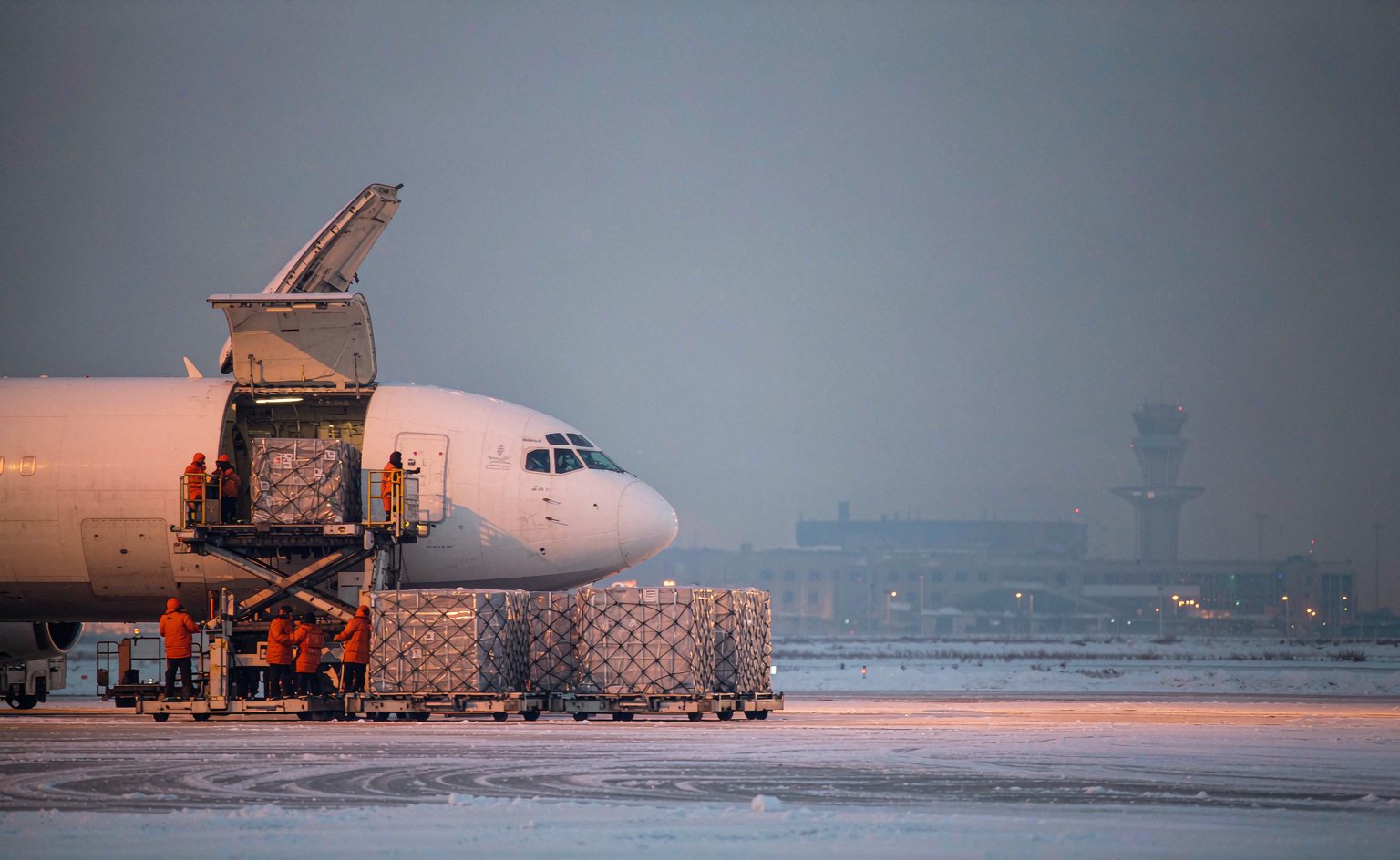
Sixteen international cargo routes are in operation. The main direction is Russia, with Moscow as the core lane and Yekaterinburg among the secondary points, plus Northeast Asian destinations including Seoul. Russia density is the highest in the country: 93% of Northeast China's Russia-bound air cargo moves through this airport, and the Harbin–Moscow freighter lane alone carries about 80% of China–Russia air freight volume. Charter schedules change more often than published services, so confirm the current flight plan with the carrier rather than relying on a timetable.
What is the latest I can file an export declaration?
The legal deadline is 24 hours before loading, or up to three days before the cargo reaches the supervised site under advance filing. On this airport, plan against a different number: Russian charter freighters frequently arrive empty and leave about ninety minutes after landing, so cargo must be at the terminal, declared, inspected and released before the aircraft touches down. The binding time is arrival, not departure.
My supplier is in Guangdong. Is Harbin the right gateway?
It depends on the destination and the deadline. Russia-bound freighter space is easier to secure here than at most southern gateways, but you are adding three to five days of trucking, which has to be priced and scheduled. For high-value cargo with a firm date, air wins. For mid-value e-commerce with three weeks of runway, compare the 9610 + TIR road option: roughly a quarter of the air cost and about a week slower.
Can lithium batteries be exported from Harbin?
Yes, as dangerous goods. The base file is a UN38.3 test summary covering the actual cell, an MSDS, an air transport condition appraisal, a DG packing certificate and the shipper's declaration. Cells shipped alone normally require a freighter; cells contained in equipment may travel under conditions when the parameters allow. Cartons need Class 9 labeling and the UN number marked. Incomplete files are refused at acceptance with no room for negotiation.
What can be imported through this airport? What about meat?
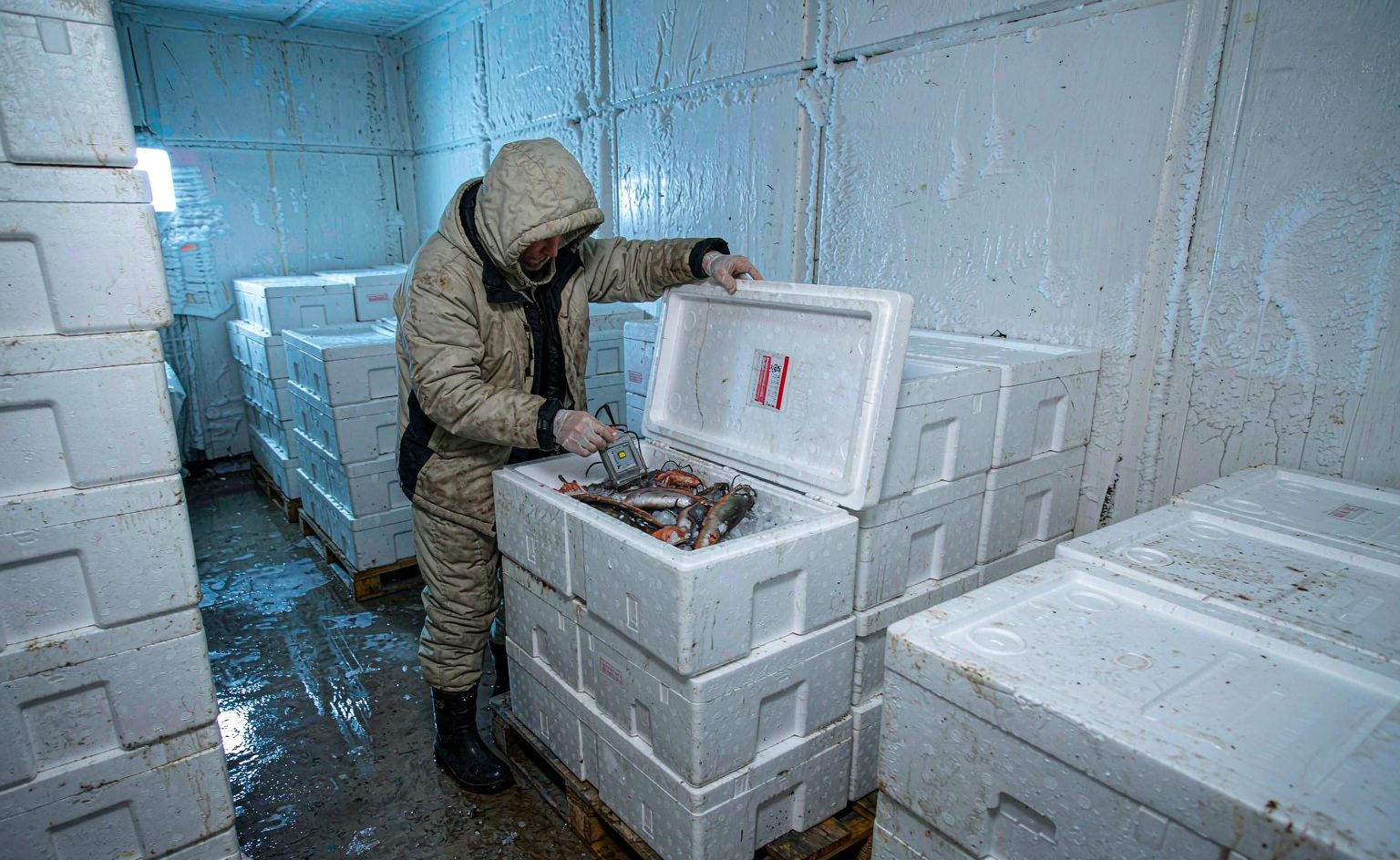
The gateway holds designated site approvals for imported chilled seafood and for imported nursery stock, and the live aquatic animal site operates in the Phase II cargo area under code CNHRB19S168. Barents Sea snow crab and king crab are the signature imports. Whether meat, fruit or any other category can enter here depends on the current list published by the General Administration of Customs. If a category is not on that list, it cannot land at this gateway and needs a different port of entry.
How fast can imported seafood be collected?
Same-night collection is realistic when three things are already done: the quarantine permit is issued, consignee registration is complete, and the cold store or holding tanks are booked. Inspection and release run inside the unloading sequence, and night arrivals can be covered by appointment. If laboratory testing is required, add the testing window, which is why cold chain cargo should never be scheduled to the last hour.
What is 9610 + TIR, and when should I use it instead of air?
9610 is the customs supervision mode for cross-border e-commerce retail export. TIR is the customs transit system under the United Nations convention. Combined, the goods are declared once at Harbin and move by road through Heihe and Kanikurgan to Moscow in about nine days, with no transloading and no change of vehicle, at roughly a quarter of the air freight cost. It suits mid-value e-commerce with a comfortable deadline. It is the wrong choice for anything with a fixed launch date.
Do winter snowstorms delay cargo, and how much buffer is enough?
They do. From November to March, snowfall, aircraft de-icing and runway clearing affect sequencing. The airport runs a per-snowfall operating plan and coordinates decisions with carriers through a joint operations mechanism, but flights still move. Build half a day of buffer into a winter schedule, and more for charter freight: one weather delay bunches two flights' worth of cargo into the same window.
Can I clear at a local customs office instead of the airport?
Yes, through transit. The declaration is filed at the gateway, the cargo moves under customs supervision, and inspection and release happen at the office nearest the factory, which suits buyers in Heilongjiang's interior. The trade-off is an extra supervised leg, so perishables generally stay at the airport. General cargo with a flexible delivery date can use either route.
Does the national logistics hub change anything for shippers?
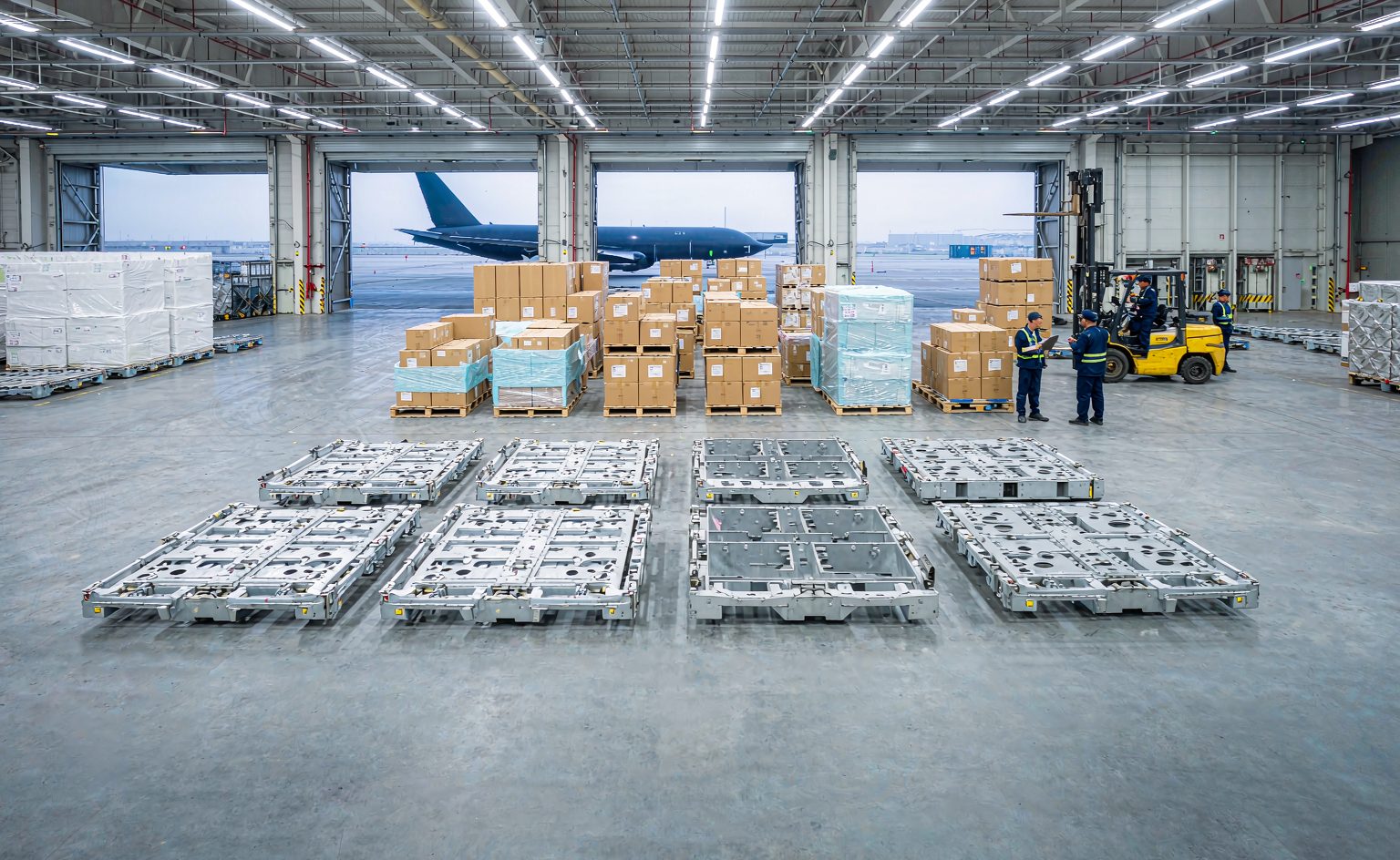
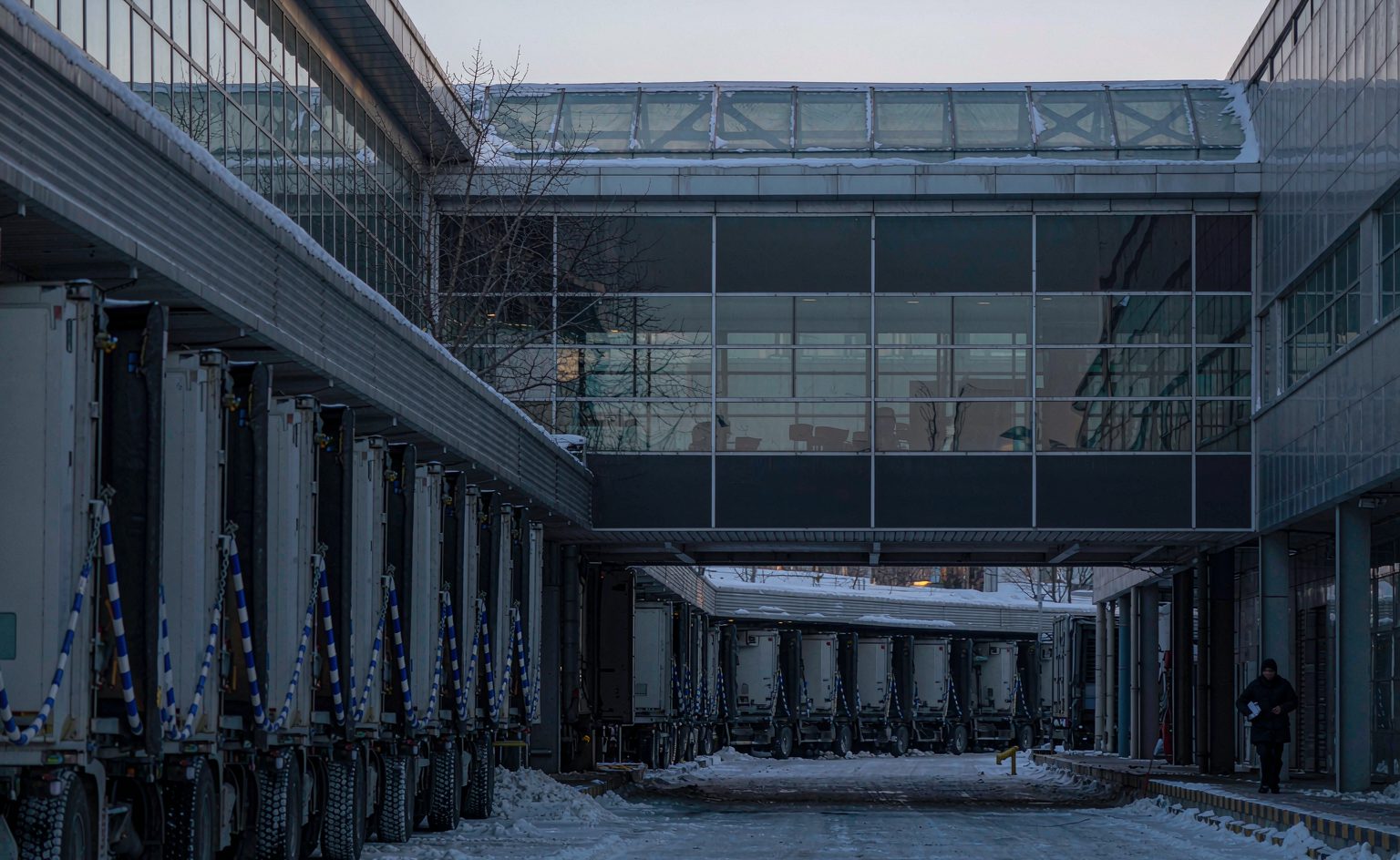
In practice, yes. The hub sits in the airport economic zone about five kilometres from the apron, roughly ten minutes on a dedicated road, and puts bonded warehouses, sorting halls, inspection lines and live seafood holding inside one perimeter. Cargo can be stored, declared, inspected, held and distributed without leaving the park. One less transfer point is several hours saved and one less handling damage risk.