
Since 2012 NVOCC GD20230925153335 24h Response
+86 13392162503 info@goodhopefreight.com
Login
Goodhope Freight

Home / Shipping To USA / Professional Shipping DG Cargo from China to USA

IATA DGR & IMDG Code Compliant · China → USA

Professional Shipping DG Cargo
from China to the USA

A complete guide for U.S. importers covering how to legally and safely ship dangerous goods (DG) from China to the United States — by air (IATA DGR), by LCL and FCL ocean (IMDG Code), and by bonded truck — including UN Class 9 lithium batteries, Class 3 flammable liquids, Class 8 corrosives and all other hazard classes. Backed by 12+ years of hazmat-compliance experience from Goodhope International Logistics.
12+
Years DG Experience
9
UN Hazard Classes Covered
IATA+IMDG
Dual-Certified Operations
NVOCC
Licensed Hazmat Forwarder
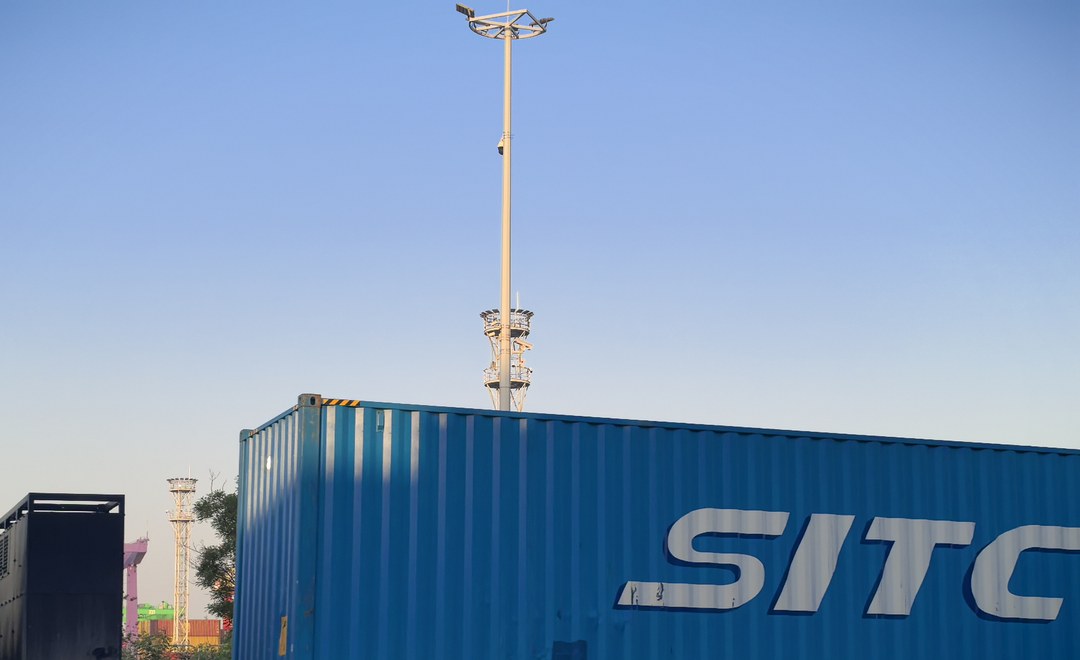
Shipping container loaded with dangerous goods cargo at a Chinese port, ready for ocean transport to the United States under IMDG Code
Hazmat-classified container moving through a Chinese export terminal — IMDG-compliant cargo flow from origin to U.S. West Coast ports.

What Dangerous Goods Does the U.S. Import from China — and Which UN Classes?

The United States imports more than USD 4.5 billion of classified dangerous goods from China every year. China is the dominant origin for batteries, lithium-ion cells, paints, coatings, adhesives, aerosols, cleaning products, pesticides and laboratory chemicals bound for the U.S. market. All DG shipments from China are governed by the same UN classification system used worldwide — nine classes, each with strict packaging, labeling, documentation and segregation rules.

1
Explosives
Fireworks, ammunition, airbag inflators, signal flares. Six sub-divisions (1.1–1.6). Most commercial shipments from China require an explosives permit; some are export-prohibited.
2
Gases
Class 2.1 flammable (propane, LPG), 2.2 non-flammable (oxygen, CO₂, nitrogen), 2.3 toxic (chlorine, ammonia). Aerosol cans fall under 2.1.
3
Flammable Liquids
Paints, lacquers, varnishes, adhesives, perfumes, solvents (acetone, MEK, toluene), printing inks, resins, flavorings. Top DG category from China to the U.S.
4
Flammable Solids
4.1 flammable solids (matches, naphthalene), 4.2 spontaneously combustible (coal, charcoal), 4.3 dangerous when wet (sodium, magnesium powder, calcium carbide).
5
Oxidizers & Peroxides
5.1 oxidizers (hydrogen peroxide, sodium hypochlorite, ammonium nitrate), 5.2 organic peroxides (MEKP, benzoyl peroxide — used in plastics and cosmetics).
6
Toxic & Infectious
6.1 toxic substances (pesticides, dyes, nicotine), 6.2 infectious substances (diagnostic specimens, biological products). Requires strict triple-packaging.
7
Radioactive
Uranium, plutonium, medical isotopes, depleted uranium shielding. Heavily regulated; specialized carriers only. We do not handle Class 7.
8
Corrosives
Sulfuric acid, hydrochloric acid, sodium hydroxide, drain cleaners, bleach, battery acid. U.S. household cleaning chemicals are a major Class 8 import.
9
Miscellaneous DG
Lithium-ion and lithium-metal batteries (UN3480 / UN3481 / UN3090 / UN3091), dry ice (UN1845), magnetized material, life-saving appliances, asbestos.
Why correct classification matters

Misdeclaring or under-declaring DG can result in U.S. CBP civil penalties of up to USD 5,000 per violation per shipment, criminal prosecution under 49 U.S.C. § 5124, vessel/aircraft detention, and permanent loss of hazmat privileges. We audit every UN number, packing group and flash point before booking.

How to Ship Dangerous Goods by Air from China to the USA — IATA DGR

Air freight is the fastest way to move DG cargo, but it is also the most strictly regulated. Every package must comply with the IATA Dangerous Goods Regulations (DGR) — the industry rulebook published annually by the International Air Transport Association. China-to-U.S. air DG typically clears customs and delivers to the consignee within 3 to 7 days door-to-door, depending on whether the destination is a U.S. gateway airport or an inland point.

1. Booking with an IATA-Certified Agent

DG air freight can only be tendered by a forwarder holding a valid IATA Cargo Agency qualification and a Dangerous Goods Regulations training certificate (current within 24 months) for each staff member who signs the shipper's declaration. We operate as an IATA-licensed agent and pre-clear every consignment with the carrier's DG desk before tendering.

2. Shipper's Declaration for Dangerous Goods (DGD)

A signed, multi-copy Shipper's Declaration for Dangerous Goods is mandatory on every DG air shipment. It must include the UN number, proper shipping name, hazard class, packing group, quantity, packaging instruction, authorization (Special Provision or Excepted/Limited Quantity) and the 24-hour emergency contact (tremcard reference).

3. UN-Certified Packaging

Each package must be built to a UN Performance Packaging (PG) standard and marked with the UN packaging code (e.g. UN 4G/Y18/S/...). For Section II lithium batteries (PI 965-970), the inner packagings must pass a 1.2 m drop test and the cells must have passed UN 38.3 testing. We supply and pre-print packaging at our Shanghai, Shenzhen and Guangzhou DG-certified warehouses.

4. Hazard Labels & Markings

Each package must display the appropriate Class 9 (or other) hazard label in diamond format, the handling label (e.g. "Cargo Aircraft Only" or "This side up"), the UN number, and the consignor/consignee address. Overpacks require the "Overpack" mark and a copy of all inner labels.

CAO — Cargo Aircraft Only

Standalone lithium batteries (UN3480 & UN3090) and most Class 3 liquids with flash point < 23°C are forbidden on passenger aircraft. They must travel on Cargo Aircraft Only (CAO) flights, which limits routing options and may add 1-3 days to transit time.

How to Ship Dangerous Goods by Ocean LCL (Less-than-Container-Load) from China to the USA

DG LCL is the right answer for shippers moving 1–15 CBM of dangerous cargo — too small for a full container, too dangerous to share with general cargo. China-to-U.S. DG LCL follows the IMDG Code and requires specially licensed CFS (Container Freight Station) handling at origin and destination, plus strict segregation between incompatible hazard classes inside a single container.

DG LCL Service Highlights

Consolidated weekly sailings from China to U.S. coasts with full hazmat compliance.

  • Weekly fixed-day LCL service from Shanghai, Ningbo, Shenzhen (Yantian/Shekou), Xiamen, Qingdao to Long Beach, Los Angeles, New York, Savannah, Houston, Seattle and Oakland.
  • Origin CFS licensed for Classes 2, 3, 4, 5, 6.1, 8 and 9; Class 1, Class 7 and Class 6.2 are not accepted.
  • Free DG segregation — multiple hazard classes consolidated in one container when IMDG segregation tables permit.
  • All consolidations are loaded into IMO-marked reefer or standard containers with proper placards and CTU Code compliance.
  • Door-to-door transit: 22–32 days including U.S. customs clearance, drayage and final-mile delivery.
  • End-to-end tracking from origin CFS pickup to consignee warehouse in the U.S.

LCL Restrictions & Documentation

Classes accepted and the documentation each shipment requires.

  • Acceptable classes: 2.1, 2.2, 3, 4.1, 4.2, 4.3, 5.1, 5.2, 6.1, 8, 9 (including UN3480/3481/3090/3091, UN1845 dry ice).
  • Not accepted: Class 1 explosives, Class 6.2 infectious substances, Class 7 radioactive, substances forbidden under any IMDG special provision.
  • Quantity: typically 1–15 CBM per shipment; larger volumes usually routed as FCL.
  • Required documents: IMO Dangerous Goods Declaration (DGD), MSDS/SDS, container packing certificate, MSDS review & classification letter, commercial invoice, packing list, sea waybill or B/L.
  • U.S. import: ISF 10+2 filing 24 hours before vessel loading at origin, AMS filing 24 hours before arrival in the U.S.
  • Inspection: U.S. CBP / Coast Guard may perform a hazmat inspection on arrival; we coordinate escort and document handover.

How to Ship Dangerous Goods by Ocean FCL (Full-Container-Load) from China to the USA

When your DG shipment exceeds ~15 CBM, FCL is faster, cheaper and safer than LCL. You get a dedicated IMO-marked container, single shipper, single consignee, no segregation constraints, faster port handling and direct drayage to your U.S. warehouse. China-to-U.S. DG FCL transit is 18–24 days to the West Coast and 26–34 days to the East Coast.

FCL DG Container Options

Choose the right equipment for your hazmat.

  • 20'GP / 40'GP / 40'HC standard dry container — suitable for Classes 4, 5, 8, 9 and most Class 3 with flash point ≥ 23°C.
  • 20'RF / 40'RF reefer (temperature-controlled) — mandatory for temperature-sensitive Class 3 liquids (e.g. low-flamepoint resins) and certain Class 5.2 organic peroxides.
  • 20'OT open-top / 40'FL flat-rack — used for oversized Class 1 explosives, Class 7 casks and heavy Class 8 IBC tanks.
  • IMO placard & markings: four placards per container, UN number placard, FCL DG label, and shipping name plate per IMDG 5.4.1.
  • Container pre-trip inspection (CTI): mandatory for any DG container; we arrange on-site at origin CFS.
  • Seal: high-security bolt seal with documented chain-of-custody from container yard to vessel to destination drayage.

FCL DG Operational Checklist

What we handle at origin so you don't have to.

  • Validate MSDS/SDS, UN classification and packing group against the actual product shipped.
  • Book with a DG-accepting carrier and confirm the vessel route (vessel may call only DG-allowed ports).
  • Obtain China export dangerous goods packaging performance test certificate (CN DG permit).
  • Container pre-trip inspection, loading supervision and CTU Code compliance check.
  • China customs DG declaration (électronic), dangerous cargo manifest filing 24–48 hours before ETD.
  • U.S. import: ISF 10+2 (24 h before loading), AMS (24 h before U.S. arrival), CBP entry filing, TSCA / EPA / FDA release as applicable.
  • Drayage to a DG-permitted warehouse or direct to consignee if U.S. hazmat delivery is permitted at the destination.

DG Qualifications & Documents We Handle to Meet IMDG, IATA & CBP Requirements

A dangerous goods shipment can only move from China to the United States when both the forwarder and the shipper hold the right qualifications, and the documentation stack is complete, accurate and audit-ready. Goodhope Freight holds the certifications below and prepares every required document for you — so you can focus on production and sales instead of paperwork.

Goodhope Freight DG Qualifications

IATA Cargo Agent License

Authorized to issue air waybills for DG cargo to U.S. destinations under IATA DGR.

IATA DGR Trained Staff (Cat 6 & 8)

All DG-declarant staff hold current IATA DGR training certificates, refreshed every 24 months.

China NVOCC (GD20230925153335)

Licensed ocean consolidator and NVOCC operator for hazmat FCL & LCL shipments.

DG-Certified Origin Warehouses

Licensed DG storage at Shanghai, Shenzhen, Ningbo and Guangzhou, including Class 9 lithium staging.

IMDG Declaration Endorsement

Authorized to sign and submit IMO Dangerous Goods Declarations on behalf of shippers.

Lithium Battery Specialist

Dedicated team for UN3480 / UN3481 / UN3090 / UN3091 with PI 965-970 audit.

Documentation Checklist (Air & Ocean)

DocumentModeWhat we prepare
MSDS / SDS (16-section GHS, <5 years old)Air & OceanReview against proposed UN classification; flag any inconsistency before booking.
IATA Shipper's Declaration for Dangerous GoodsAirFill, sign and stamp by our IATA-certified DG declarant; four-copy set with carrier validation.
IMO Dangerous Goods Declaration (DGD)OceanPer IMDG 5.4.1, signed by shipper or authorized agent; submitted to carrier and customs.
Container Packing Certificate (CTU Code)OceanVerified and signed at origin CFS after packing supervision.
UN Packaging Test ReportAir & OceanMatch UN specification mark printed on each package; supplier-provided.
CN DG Packaging Performance Test ReportOceanChina export DG permit; we liaise with CIQ for issuance.
EmS Emergency Response (Fire / Spill)OceanListed in IMO DGD; stowage & segregation confirmed.
Air Waybill / Sea B/L with DG endorsementAir & Ocean"DGR" or "Dangerous Goods" endorsement; correct UN/PSN/class on the AWB face.
ISF 10+2 Importer Security FilingOceanFiled 24 h before vessel loading at origin; includes 6 ISF elements + 2 CBP elements.
AMS / e-ManifestOceanFiled 24 h before vessel arrival at U.S. port; hazmat-class fields populated.
Commercial Invoice & Packing ListAir & OceanHS code, country of origin, value, quantity, net / gross weight per package.
CBP Entry (7501) + TSCA / EPA / FDA releaseOceanCoordinated with U.S. licensed customs broker for hazmat class-specific release.

How to Ship Class 9 DG — Lithium Batteries & Power Banks — from China to the USA

China is the world's largest exporter of lithium-ion and lithium-metal cells, and the U.S. is its biggest single market. Lithium batteries are classified under UN Class 9 (Miscellaneous Dangerous Goods) and must be declared correctly under one of four UN numbers depending on cell type and how it is packed. Standalone cells face the strictest rules; cells packed in or contained in equipment have more flexible options.

UN Numbers for Lithium Batteries
  • UN3480 — Lithium-ion batteries (standalone, not packed with equipment)
  • UN3481 — Lithium-ion batteries packed with equipment OR contained in equipment
  • UN3090 — Lithium-metal batteries (standalone)
  • UN3091 — Lithium-metal batteries packed with equipment OR contained in equipment
Pre-Shipment Requirements
  • UN 38.3 test report for every cell type (T1-T8: altitude, thermal, vibration, shock, external short, impact, overcharge, forced discharge)
  • Class 9 lithium battery handling label on each package (100×100 mm)
  • Cargo Aircraft Only (CAO) label for UN3480 & UN3090 standalone batteries
  • Net weight ≤ 35 kg per package for Section II lithium-ion (PI 965)
  • Battery handling documentation for U.S. consignee (49 CFR § 173.185)
  • SoC ≤ 30% for standalone cells shipped by air (IATA DGR 4.2)

Lithium Battery Air Freight

UN3480 / UN3090 standalone cells must travel Cargo Aircraft Only. Typical transit: 3–6 days door-to-door from China to U.S. gateway (LAX, JFK, ORD, ATL). IATA Section II (PI 965-970) relaxed requirements for small cells ≤ 10 kg net Li-equivalent.

Lithium Battery Ocean Freight

IMDG Special Provision 188 allows most lithium cells under IMDG provisions with simplified packaging. Ocean is the safest and most cost-effective mode for large volumes of batteries — we book with carriers that accept lithium under SP 188 / 230.

Lithium Battery to U.S. Amazon FBA

Amazon FBA accepts Class 9 lithium-ion only when packed in equipment (UN3481) and pre-approved via the FBA Dangerous Goods program. Standalone power banks (UN3480) are restricted. We pre-clear every ASIN and ensure correct SDS upload.

Dry Ice (UN1845) & Other Class 9

Dry ice for temperature-controlled lithium shipments, magnetized material, life-saving appliances, and lithium battery-powered equipment all fall under Class 9. We prepare Section II / Section I packaging and labels per IATA PI 954 (dry ice).

Ocean Carriers & China Airports Accepting Dangerous Goods to the USA

Not every container line, and not every China airport, will accept dangerous goods. Below is the carrier and gateway landscape we work with every week. We pre-book space on DG-accepted vessels and flights to keep your shipment moving without rejection or reroute fees.

Major Ocean Carriers Accepting DG from China to the USA

Maersk (MSK)
All UN classes incl. Class 9, direct to LAX/LGB/NYC/SAV
MSC
All DG classes; strong trans-Pacific sailings
COSCO Shipping
All classes; largest direct China-US service
Hapag-Lloyd
All classes; west coast specialists
ONE (Ocean Network Express)
Class 3 / 8 / 9 regular acceptances
ZIM
Class 9 & selected classes to NYC/SAV
CMA CGM
All DG; trans-Pacific express
Yang Ming (YML)
All DG via PSA / USWC
HMM (Hyundai)
All classes; strong East Coast calls
Evergreen (EMC)
Class 3 / 8 / 9; selective acceptance
Wan Hai (WHL)
Class 9 & limited others on weekly service
SITC
Class 9 intra-Asia feeders to USWC transhipment

China Airports with DG Acceptance to the USA

PVG (Shanghai Pudong)
All DG classes — China's #1 DG gateway
PEK / PKX (Beijing)
All classes incl. Class 1; major CAO capacity
CAN (Guangzhou Baiyun)
All DG; Class 3 / 8 / 9 regular acceptances
SZX (Shenzhen Bao'an)
All DG; battery specialist hub
HKG (Hong Kong)
All DG classes — most flexible transhipment
CTU (Chengdu)
Class 3 / 8 / 9 to select US gateways
HGH (Hangzhou)
Class 3 / 9 via select carriers
XMN (Xiamen)
Class 3 / 8 / 9 to USWC
TAO (Qingdao)
Class 3 / 9 to US West Coast
TSN (Tianjin)
Class 3 / 8 / 9 via select carriers

Airlines We Book for China → USA DG

Cathay Pacific Cargo (CX)
All classes via HKG; excellent CAO capacity
China Southern (CZ)
Class 3 / 8 / 9 from CAN, PVG
China Eastern (MU)
Class 3 / 8 / 9 from PVG
Air China (CA)
All classes from PEK
Hainan Airlines (HU)
Class 9 lithium; select US routes
Korean Air (KE)
All DG via ICN transhipment
ANA (NH) / JAL (JL)
Selected DG via NRT / HND
FedEx / UPS / DHL Air
Selected Section II lithium under service contract

Success Cases: Real DG Shipments from China to the USA We Have Handled

A selection of recent cross-border dangerous-goods shipments delivered without incident. Customer names are kept confidential; product, route, mode and documentation details are shared for educational purposes.

Class 3 · FCL

Jiangsu Coating Manufacturer

Ningbo → Long Beach · 22 days

20'GP of Class 3 paint (UN1263, PG III) with flash point 28°C, delivered to a West Coast distributor with TSCA-conformant SDS.

  • Mode: FCL 20'GP on MSC trans-Pacific
  • Documentation: IMO DGD + UN packing cert
  • Customs: CBP released in 36 hours
Class 9 · FCL

Dongguan Battery Factory

Shenzhen → Chicago · 26 days

40'HC of UN3480 standalone lithium-ion power bank cells (12 MT) shipped under Section II IMDG provisions to an e-mobility distributor.

  • Mode: FCL 40'HC on COSCO direct
  • Special handling: SoC ≤ 30%, ambient only
  • U.S. delivery: DG-permitted bonded warehouse
Class 8 · FCL

Shanghai Chemical Producer

Shanghai → Long Beach · 20 days

40'HC of Class 8 sodium hypochlorite solution (UN1791, PG III) for water-treatment use, with reefer temperature control 15°C.

  • Mode: 40'RH reefer on MSK
  • Carrier acceptance: 5 days advance
  • Documents: CN DG permit + EPA consent letter
Class 6.1 · Air

Beijing Agrochemical R&D

PEK → Houston · 4 days

Class 6.1 pesticide sample (UN2902, PG II) 8 kg shipped CAO from Beijing to a Texas research lab with dry ice (UN1845) for cold-chain integrity.

  • Mode: Air on Air China CA
  • Special handling: dual-DG (6.1 + 9 dry ice)
  • Permits: CDC / USDA import clearance
Class 2.1 · FCL

Guangzhou Aerosol Maker

Huangpu → New York · 32 days

40'GP of UN1950 aerosol cans (Class 2.1, PG —) for personal-care brand, with proper IMDG placards and segregation from any oxidizer.

  • Mode: 40'GP on HMM East Coast service
  • Packing: heat-resistant pallets, vented containers
  • Drayage: DG-permitted 3PL in NJ
Class 9 · FBA

Shenzhen Amazon Seller

Shenzhen → ONT8 (FBA) · 24 days

LCL then FCL of UN3481 lithium power banks packed in retail boxes, FBA Dangerous Goods program pre-approved, delivered DDP to Amazon's Ontario CA warehouse.

  • Mode: LCL consolidation → FCL 40'GP
  • FBA: DG program enrollment + SDS upload
  • Customs: DDP hazmat entry + duty pre-paid

Frequently Asked Questions about Shipping DG from China to the USA

Practical answers to the questions U.S. importers ask us most often. For case-specific advice, share your SDS at info@goodhopefreight.com and our hazmat team will respond within one business day.

Can dangerous goods be shipped from China to a private U.S. address?
In most cases, no. U.S. carriers such as UPS, FedEx and DHL Express do not accept most fully-regulated DG shipments from China to a private residential address. Acceptable solutions include business-to-business (B2B) shipments with a DG service contract, or our bonded warehouse in the U.S. where a hazmat-certified carrier can perform the final leg delivery. For Class 9 lithium batteries shipped under Section II provisions, limited-quantity rules may apply to commercial consignees.
How long does dangerous goods ocean freight from China to the U.S. take?
Typical door-to-door transit times for DG ocean shipments: 18–24 days FCL from Shanghai/Shenzhen/Ningbo to the U.S. West Coast (Los Angeles/Long Beach), 26–34 days to the U.S. East Coast (New York/Savannah/Norfolk) via the Panama Canal, and 22–28 days LCL. DG shipments may take 2–5 days longer than non-DG cargo due to additional documentation, hazardous-cargo manifest filing and carrier acceptance checks.
Can lithium batteries (Class 9) be shipped from China to the United States?
Yes. Lithium batteries are classified as UN3480 (lithium ion, standalone), UN3481 (lithium ion, packed with or contained in equipment), UN3090 (lithium metal, standalone) and UN3091 (lithium metal, packed with or contained in equipment). All cells must pass UN 38.3 testing. Standalone batteries (UN3480 & UN3090) are restricted to Cargo Aircraft Only (CAO) since April 2016. The U.S. accepts lithium batteries from China for both air and sea transport with proper documentation.
Which dangerous goods are prohibited from being exported from China to the U.S.?
China prohibits the export of certain DG items regardless of destination: Class 1.4S commercial explosives, ozone-depleting substances under the Montreal Protocol, most radioactive materials (Class 7), asbestos, certain infectious substances (Class 6.2 Category A), and chemical weapons precursors listed under the Chemical Weapons Convention. The U.S. additionally restricts imports of counterfeit or misbranded hazardous products, certain pesticides, and any product violating TSCA pre-manufacture notice (PMN) rules. We screen every shipment against both Chinese export control lists and U.S. EPA/CPSC/TSCA/CBP restrictions.
How much does dangerous goods freight from China to the U.S. cost?
DG freight rates vary widely by class, packaging, mode and route. Indicative ranges: Class 3/8/9 FCL DG ocean freight from Shanghai to Los Angeles runs USD 1,800–3,400 for a 20'GP and USD 2,800–5,200 for a 40'GP/HQ plus IMO surcharges of USD 250–800 per container. DG air freight is typically 2–4× the rate of general cargo, with Class 9 lithium batteries at the lower end and Class 3/6.1 at the higher end. LCL DG carries a 40–80% premium plus a minimum CBM charge. We provide all-inclusive, fixed-price quotes that bundle documentation, IMO declarations and acceptance fees.
What documents are required to export dangerous goods from China to the U.S.?
For air freight: IATA Shipper's Declaration for Dangerous Goods (DGD), MSDS/SDS in 16-section GHS format, UN packaging test report, dangerous goods transport permit (China export), commercial invoice, packing list, air waybill. For ocean freight: IMO Dangerous Goods Declaration (DGD), MSDS/SDS, container packing certificate (CTU code), UN packaging certificate, IMDG emergency response (EmS), Chinese export dangerous goods packaging performance test report, commercial invoice, packing list, ocean bill of lading, ISF 10+2 filing for U.S. import, MFN tariff entry. Both modes also require a Chinese customs dangerous-goods declaration form.
Can dangerous goods be delivered to U.S. Amazon FBA warehouses?
Yes, with strict conditions. Amazon FBA accepts limited DG categories, primarily Class 9 lithium-ion batteries (when packed in equipment), some lithium power banks (subject to FBA dangerous goods program approval), certain Class 8 consumer products like perfumes, and certain Class 2 aerosols. Amazon requires each ASIN to be enrolled in the FBA Dangerous Goods program with a Safety Data Sheet on file. We help sellers classify, document and pre-clear their inventory with Amazon's hazmat review team before shipping, and we coordinate DDP hazmat delivery to FBA sortation centers.
Which Chinese airports can accept dangerous goods air freight to the U.S.?
The four primary China DG-capable gateways are PVG (Shanghai Pudong), PEK/PKX (Beijing Capital / Daxing), CAN (Guangzhou Baiyun), and SZX (Shenzhen Bao'an). HKG (Hong Kong) is the most flexible for transhipment and accepts virtually all DG classes. Supporting airports with partial DG acceptance include CTU (Chengdu), HGH (Hangzhou), XMN (Xiamen), TSN (Tianjin), TAO (Qingdao) and CGO (Zhengzhou). Each airport holds specific licenses for the DG classes it may accept, and certain classes (e.g. Class 7 radioactive) require a dedicated route approval.
Do I need to provide an MSDS/SDS to ship dangerous goods from China?
Yes. A current MSDS/SDS (Safety Data Sheet) in the 16-section GHS format is mandatory for every DG shipment, regardless of mode. The SDS must be issued in English (and ideally also in Chinese for the China export declaration), be less than 5 years old, accurately reflect the GHS classification, and be signed by a competent person. We review your SDS against the proposed UN classification, packaging and shipping description before booking, and we flag any discrepancies that could result in carrier rejection.
What is the difference between IATA DGR and IMDG Code?
IATA Dangerous Goods Regulations (DGR) govern air transport and are published annually by IATA. They are stricter than IMDG (for example, many Class 3 liquids with low flash points are forbidden on passenger aircraft, and standalone lithium batteries are restricted to cargo aircraft only). IMDG Code (International Maritime Dangerous Goods Code) governs sea transport and is published by the IMO. IMDG allows larger package sizes, more relaxed packaging rules and accepts more substances than air. The two regulations use the same UN numbers and hazard classes, but the packaging instructions, quantity limits and documentation differ.

Why U.S. Importers Choose Goodhope for China-DG Shipments

Twelve years of hazmat logistics, a license stack that covers every regulated mode, and a team that knows what the China export inspector, the carrier's DG desk and the U.S. CBP officer will each need — before they ask.

Dual-Certified

IATA DGR + IMO IMDG trained staff with current 24-month refreshers.

4 DG Warehouses

Licensed DG staging in PVG, SZX, NGB, CAN — including Class 9 lithium.

Zero Penalty Record

Audit-ready documentation stack and 100% on-time CBP hazmat release.

24/7 Hazmat Support

Dedicated DG desk; English-speaking agent on call every day.

12 Ocean Carriers

Pre-booked DG space with MSK, MSC, COSCO, ZIM, HPL, ONE, CMA & more.

8 Airlines

CAO capacity on CX, MU, CZ, CA, HU, KE plus express service contracts.

Lithium Specialist

UN 38.3 audit, PI 965-970 packaging, FBA DG pre-clearance.

Fixed Pricing

All-in quotes including IMO surcharges, DOC fees and acceptance.

Ready to Ship Dangerous Goods from China to the USA?

Whether you move 100 kg of Class 9 lithium batteries or 100 tons of Class 3 paint, our hazmat team handles every detail — UN classification, SDS review, packaging, IATA or IMO documentation, carrier booking, U.S. customs and final-mile delivery. Send your SDS today and we will return a fixed-price quote within 24 hours.

Get A DG Quote Now
Hazmat Hotline
+86 13392162503
Hazmat Email
info@goodhopefreight.com
Website
goodhopefreight.com
Response
Within 24 hours

Need a Tailored DG Plan from China to the U.S.?

Tell us your product, UN class, volume and destination city — we will design the most cost-effective and fully compliant China-to-USA DG route (air, LCL, FCL or combined), including carrier booking, documentation and last-mile delivery.

Get A DG Quote

call us: 008613392162503