
Deciphering Compliance: "Dangerous Goods" vs. "Hazardous Chemicals" in International Logistics
To Our Valued International Buyers and Partners, when sourcing industrial or consumer goods from China, understanding the regulatory nuances between Dangerous Goods (DG) and Hazardous Chemicals is critical for seamless supply chain execution. While these terms are often used interchangeably in casual conversation, they represent distinct regulatory frameworks. Misclassification can lead to shipment seizures, severe penalties, and safety hazards at sea or in the air.
1. Defining the Scope: Transport Safety vs. Chemical Properties
- Dangerous Goods (DG): This classification focuses on safety during transit. It is governed by the UN Model Regulations, the IMDG Code (Sea), and IATA DGR (Air). DG encompasses any substances or articles (e.g., lithium batteries, machinery) that pose a risk to health, safety, property, or the environment during movement.
- Hazardous Chemicals: This classification focuses on the inherent hazards of the chemical substance itself, such as toxicity, corrosivity, or environmental impact. In China, this is strictly governed by the Regulations on the Safe Management of Hazardous Chemicals and the Catalog of Hazardous Chemicals.
2. The Relationship Matrix: Intersections and Exceptions
It is a common misconception that all hazardous chemicals are dangerous goods. In reality, their relationship is an intersection, not an identity:
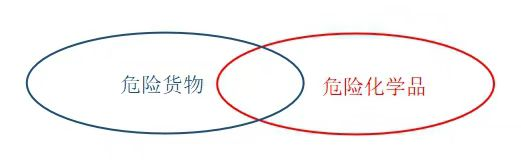
| Category | Example | DG Classification | Hazardous Chemical? |
|---|---|---|---|
| Dual Classification | Methanol | Yes (Class 3) | Yes |
| DG Only | Lithium Batteries | Yes (Class 9) | No (Article, not chemical) |
| Hazchem Only | Hexabromobiphenyl | No | Yes (Carcinogenic/Toxic) |
| General Cargo | Sodium Chloride | No | No |
3. Practical Identification Methods for Buyers
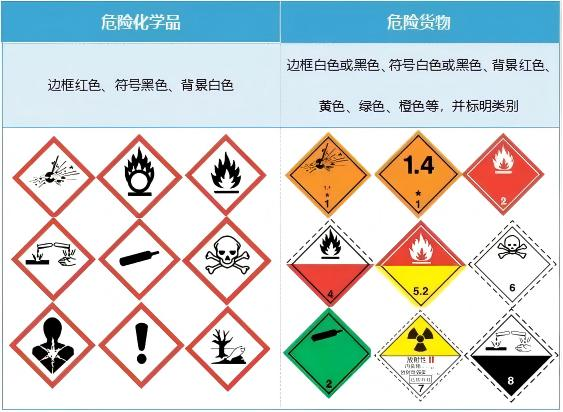
To ensure your cargo is handled correctly, our logistics team recommends the following verification steps:
- Review the Safety Data Sheet (SDS): Check Section 14 (Transport Information). If a UN Number and Proper Shipping Name (PSN) are present, the cargo is regulated as Dangerous Goods.
- Reference the Catalogs: Cross-reference the CAS number against the China Catalog of Hazardous Chemicals and check the product name in the IMDG Code or GB 12268 List of Dangerous Goods.
- Obtain Official Appraisals: For ambiguous products, request an Identification and Classification Report for Air/Sea Transport from a certified third-party institution in China (such as DGM or PONY).
4. Expert Conclusion
In international logistics, Dangerous Goods refers to how the item must be transported to prevent accidents, while Hazardous Chemicals refers to what the substance is and its long-term risks to humans and the environment.
As your dedicated freight forwarder in Shenzhen, we emphasize that "Safe Logistics Starts with Accurate Declaration." Before placing an order, ensure your supplier provides a GHS-compliant SDS and confirms whether the product requires DG packaging or specialized customs clearance for hazardous chemicals.