
Logistics Intelligence: Safety and Regulatory Standards for Shipping Matches from China
—— A Focus on Shipping Matches from China
To Our Valued Global Partners,
While matches are a ubiquitous consumer product, they are strictly regulated as Class 4.1 Flammable Solids in international maritime transport. Due to their chemical composition—typically involving phosphorus, sulfur, and potassium chlorate—matches are highly sensitive to friction and thermal exposure. In the confined environment of an ocean vessel, non-compliance can lead to catastrophic fire incidents.
As your Shenzhen-based dangerous goods (DG) logistics specialists, we have summarized the critical requirements under the IMDG Code to ensure your supply chain remains secure and compliant.
1. Classification and UN Identification
Accurate classification is the prerequisite for vessel space booking and maritime declaration. Under the IMDG framework, matches are identified by four distinct UN numbers:
- UN 1331 (Matches, strike anywhere): The most sensitive to friction; subject to stringent stowage restrictions.
- UN 1944 (Matches, safety): Requires a prepared surface for ignition; widely considered the standard for safe transport.
- UN 1945 (Matches, wax "Vesta"): Formulated with pyrotechnic components to withstand wind.
- UN 2254 (Matches, fusee): Specialized waxy matches typically used in industrial or survival contexts.
2. Packaging Integrity and Weight Limits (P407)
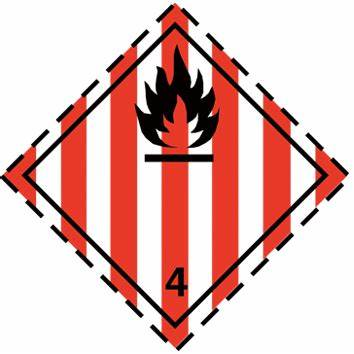
Marks, Labels, and Placards for Matches
Compliance with Packing Instruction P407 is mandatory, meeting Packing Group III standards:
- Gross Weight Restrictions: Packages must not exceed 45kg (30kg for fiberboard boxes). Limited quantities (LQ) are generally capped at 5kg.
- Internal Segregation: Strike-anywhere matches must be individually inner-packed (max 700 count per inner pack) and must never be co-mingled with other hazardous materials.
- Special Exceptions: Safety and wax matches with a net weight of ≤25kg may be exempt from certain provisions of the IMDG Code, provided they adhere strictly to P407.
3. Strategic Stowage and Segregation
- Stowage Categories: Safety matches (UN 1944) are typically Category A (stowage allowed on or under deck), whereas strike-anywhere matches (UN 1331) are Category B (limited to deck stowage on certain passenger vessels).
- Thermal Protection: Cargo must be stowed "Away from" all heat sources, including engine room bulkheads, steam pipes, and galleys. Proper ventilation and protection from direct sunlight are essential.
- Loading Supervision: Container stuffing must be executed under the oversight of a qualified inspector, followed by the issuance of a Container Packing Certificate (CPC) to verify secure and safe loading.
4. Emergency Response (EmS Guide: F-A, S-I)
Protocol alignment with the EmS Guide is vital for mitigating transit risks:
- Fire Suppression: Use copious amounts of water spray from a protected distance. If the fire occurs below deck, ventilation should be cut off and fixed fire-extinguishing systems activated.
- Spill Management: Responders must utilize self-contained breathing apparatus (SCBA) and non-sparking footwear. All ignition sources must be eliminated immediately.
Professional Summary
The safe export of matches from China depends on transparency in declaration, rigorous packaging, and expert stowage. At Goodhope Freight, we specialize in navigating these complexities to ensure your high-risk cargo reaches its destination safely, legally, and on schedule.