
A Comprehensive Guide to Hazardous Materials (HAZMAT) Logistics: Safe Transportation and Handling for Your Global Supply Chain
As a leading international freight forwarder based in Shenzhen, China, we understand that the safe and compliant transportation of chemical and hazardous materials is a top concern for your global operations. Given that statistics indicate a significant portion of hazardous materials incidents occur during transportation, adhering to stringent safety protocols is not just a regulatory requirement but a critical component of risk management and corporate responsibility. This guide outlines the essential safety requirements for the transportation, loading, and unloading of hazardous goods, particularly relevant for ocean and air freight movements from China.
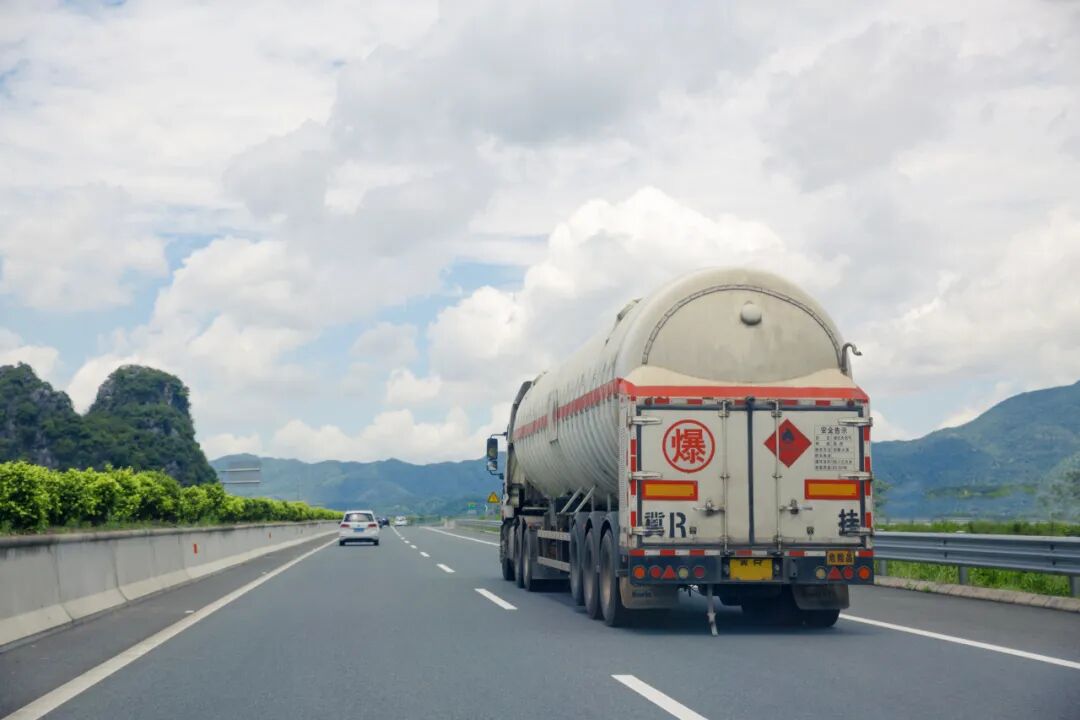
1. General Requirements for Loading/Unloading Operations
All HAZMAT handling must be conducted under a unified command with clear, fixed signals to prevent operational confusion. Only trained personnel are permitted in operational areas. All equipment must have specific safety operation procedures and be operated by certified personnel. Tools and equipment must be inspected before use and thoroughly cleaned after, especially after handling oxidizers, to prevent dangerous chemical reactions. Manual handling should be performed with coordinated effort, avoiding overexertion and risky maneuvers.
Key principles include handling all packages gently to prevent impact, friction, vibration, or dropping. Damaged packages must be moved to a safe area for repair using spark-proof tools. Spilled materials must be promptly cleaned, and waste must be disposed of safely. Incompatible materials must not be handled simultaneously, and materials sensitive to heat or moisture require appropriate protective measures.
2. Personnel Safety and Protection
Operators must wear appropriate Personal Protective Equipment (PPE) based on the material's hazards—such as chemical-resistant suits, gloves, and eye protection. Antistatic, spark-proof footwear is mandatory; open-toe shoes or shoes with metal components are prohibited. For toxic or corrosive substances, respiratory protection may be necessary. After operations, PPE must be decontaminated or cleaned. Facilities must provide emergency supplies like clean water, sodium bicarbonate solution, or dilute acetic acid. Personnel should practice good hygiene, washing thoroughly after handling, and avoid eating, drinking, or smoking in operational areas. Any signs of exposure (dizziness, headache) require immediate first aid and medical attention if severe.
3. Safe Handling for Specific Hazard Classes
Compressed and Liquefied Gases (Cylinders):
These pressure vessels require specialized trolleys or racks. Never drag, drop, roll, or point valve outlets towards personnel. Check valves for leaks and ensure safety caps are secure. Use respiratory protection for toxic gases. Oxygen cylinders require oil-free tools and clothing. Flammable gases must be kept away from ignition sources; handling is best scheduled for cooler hours.
Flammable Liquids:
Due to low flash points and explosive vapor-air mixtures, strict controls are needed. Ventilate enclosed spaces before handling. Use only non-sparking (e.g., brass) tools and bonded/grounded equipment. Handle gently—no rolling, friction, or dragging. Tank trucks must be grounded. Schedule transport during cooler hours and implement anti-skid measures in rain/snow.
Flammable Solids:
Sensitive to heat, impact, and friction. In addition to the precautions for flammable liquids, operators must wear conductive, spark-proof footwear. Do not transport with oxidizers or acids. Secure cargo to prevent movement and clean any spilled powder immediately.
Substances Dangerous When Wet (e.g., Calcium Carbide):
Strict waterproofing is essential—no operations in rain/snow without protection. Avoid direct skin contact. Handle with extreme care—no rolling, impact, or friction. For drums like calcium carbide, release acetylene gas in a controlled, safe manner before moving. Transport separately from other hazard classes.
Oxidizing Agents:
These require segregation. Do not transport with acids, organic materials, or flammable substances. Mixing with peroxides is generally prohibited.
Toxic and Corrosive Substances:
Even small amounts can be harmful. Use full PPE including gloves, goggles, and aprons/respiratory protection as needed. Corrosives can damage skin, metals, and other materials, and may cause fires upon contact with certain substances.
Partnering for Safety
Successful and safe HAZMAT logistics depends on meticulous planning, trained personnel, and strict adherence to international regulations (IMDG Code for sea, IATA DGR for air). As your logistics partner, we ensure that every shipment is handled with the utmost care, from proper packaging and documentation to selecting qualified carriers and ensuring compliant handling at every transit point.
Dangerous Goods Declaration (DGD)
Dangerous Goods Declaration (DGD) is a core document in the transportation of dangerous goods, completed and submitted by the shipper to the carrier. It serves as the formal declaration of the hazardous nature of the consignment and provides instructions for its safe transport.
Dangerous Goods Declaration Form (DGD): A formal declaration document submitted by the shipper to the airline. It must include detailed information such as the UN number, packaging description, and SOC value. The form must be stamped with the official seal of the declaring entity, and the information must be completely consistent with the bill of lading and the actual goods.
| Item | Description |
|---|---|
| Purpose | To provide the carrier (airline, shipping line, etc.) with complete and accurate transport information about the dangerous goods. It is the primary document used by operational and safety personnel for handling, storage, and emergency response. |
| Issued By | The shipper (or their designated, qualified agent) is responsible for completing, signing, and assuming legal liability. All information must precisely match the actual goods, packaging, and markings. |
| When Used | Must be completed and submitted before the goods are handed over to the carrier for transport. For example, it must be submitted to the airline before aircraft loading and to the shipping line before vessel loading. |
- Legal Document: The DGD is a legally binding declaration; the shipper is fully responsible for the accuracy of its contents.
- Information Source: The data entered is based primarily on the test results from the Dangerous Goods Transport Identification Report.
- Accompanying Document: The DGD must accompany the shipment so that all parties in the transport chain have access to critical safety information.
SHIPPER'S DECLARATION FOR DANGEROUS GOODS
Additional Handling Information:
LITHIUM ION CELLS AND BATTERIES ARE NEW AND MUST BE OFFERED FOR TRANSPORT AT A STATE OF CHARGE (SOC) NOT EXCEEDING 30% OF THEIR RATED CAPACITY.
I hereby declare that the contents of this consignment are fully and accurately described above by the proper shipping name, and are classified, packaged, marked, labelled, placarded, and are in all respects in proper condition for transport according to applicable international and national governmental regulations. I declare that all air transport requirements have been met.
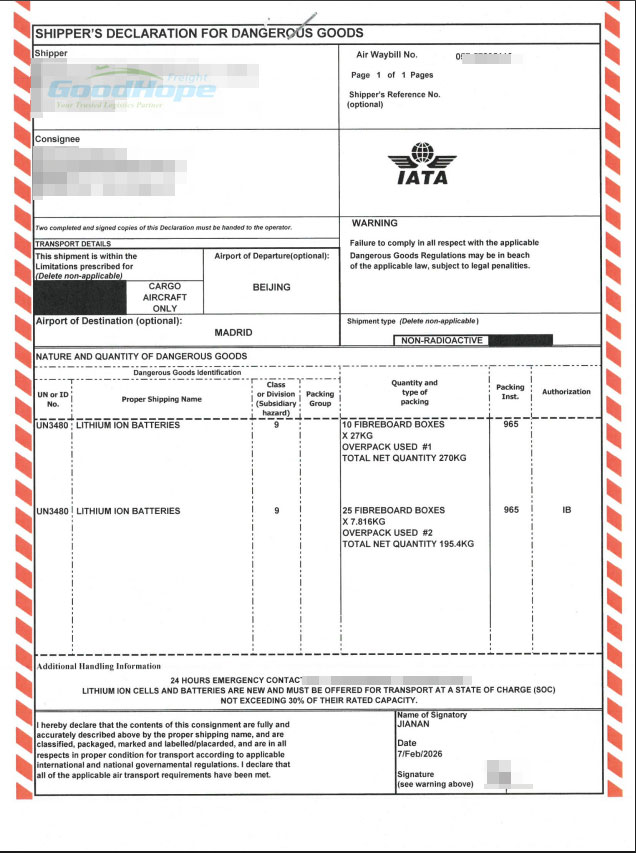
Some Chinese airports require airlines to provide DGD (Dangerous Goods Declaration) documentation when transporting dangerous goods, such as Beijing Daxing International Airport, Chengdu Shuangliu International Airport, Xi'an Xianyang International Airport, Zhengzhou Xinzheng International Airport, and Changsha Huanghua International Airport.