
Navigating the Safe Ocean Transport of Lithium Batteries: A Guide for International Partners Sourcing from China
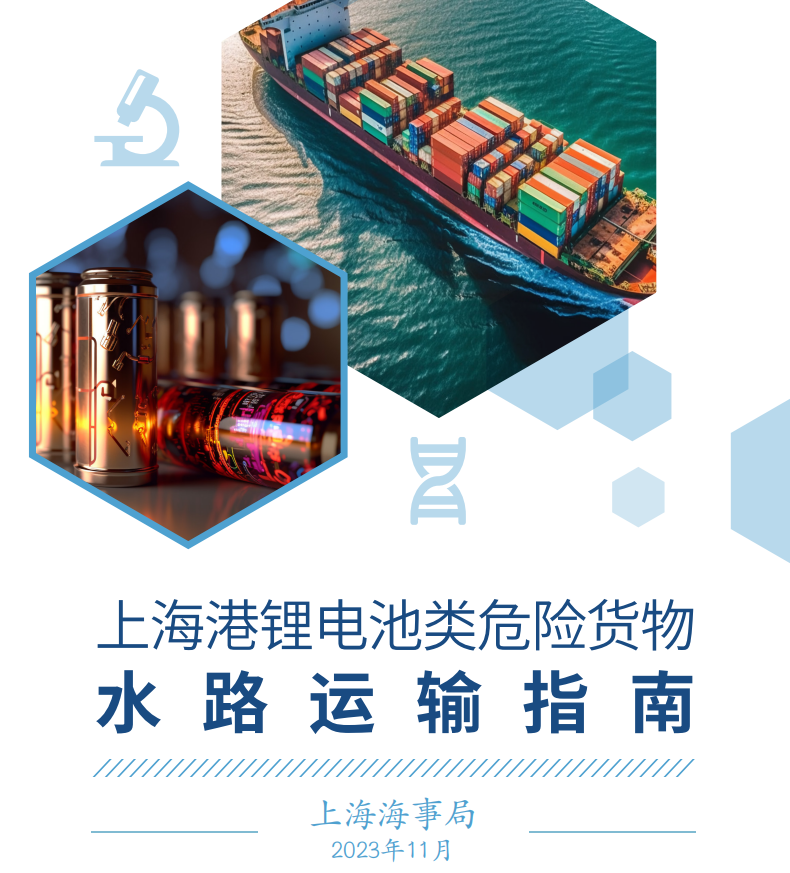
As a leading international freight forwarder based in Shenzhen, China, we understand the critical importance of safety and compliance in global supply chains. This is especially true for the transport of lithium batteries, a cornerstone of modern electronics and new energy products exported from China. To address the inherent risks (such as fire and explosion) associated with their sea transport, the Shanghai Maritime Safety Administration (MSA) has issued a comprehensive guideline: The Waterborne Transport Guide for Lithium Battery Dangerous Goods at Shanghai Port. This document serves as a vital roadmap for all stakeholders involved in shipping lithium batteries from Shanghai, one of the world's busiest ports.
This professional article distills the guide's key requirements from an international logistics (maritime transport) perspective, aiming to inform overseas buyers, partners, and the public about the stringent standards ensuring the safety of these goods on their journey to global markets.
1. Scope and Core Structure
The guide applies to the Shanghai Port area, including its river, coastal, and anchorages. It systematically outlines the safety and technical requirements for transporting lithium batteries as Class 9 Dangerous Goods via containerized sea freight.
The document is structured into 10 main chapters and 3 annexes, providing an end-to-end framework covering classification, packaging, documentation, stowage, and emergency response.
2. Product Classification & Key Definitions
Clarity begins with precise terminology. The guide defines 11 key terms, including cell, battery, module, cluster, and specific transport units like containerized/cabinet-type lithium-ion battery energy storage systems (ESS) and lithium battery-powered vehicles.
Crucially, it categorizes lithium batteries into two main types with distinct regulatory paths:
- Lithium-ion Batteries (Rechargeable)
- Lithium Metal Batteries (Non-rechargeable)
Detailed flowcharts are provided for the classification of each, which is the first mandatory step in determining the applicable transport conditions.
3. Marking, Labeling & Packaging Compliance
Correct identification is non-negotiable for safe handling. The guide specifies requirements for all levels of containment:
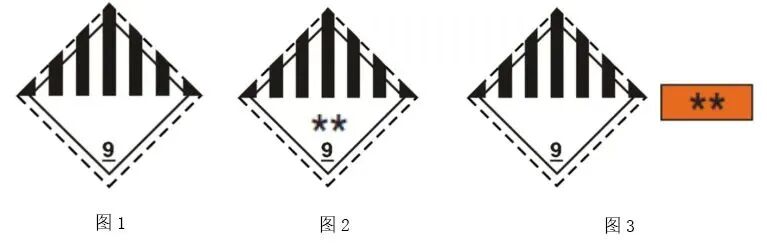
- Freight Containers: Every side and end of a container holding lithium batteries (with exceptions for vehicles) must display the Class 9 hazard placard and the applicable UN number marking.
- Packages: Each package must show the Proper Shipping Name and UN number prefixed with "UN". Additionally, packages must bear either the Class 9A lithium battery hazard label or the specific Lithium Battery Handling mark. The mark's specifications (size, color, layout) are detailed, noting a transition period for the mark design until December 31, 2026.
- Battery Itself: Battery casings produced after December 31, 2011, must be marked with the rated Watt-hour (Wh) rating for lithium-ion or lithium content (Li) for lithium metal.
- Packaging: Specific performance and construction standards are outlined for batteries shipped alone, packed with equipment, or contained within equipment, as well as for large units like ESS and vehicles.
4. Core Safety & Cargo Handling Requirements
A. Product Safety (Pre-shipment):
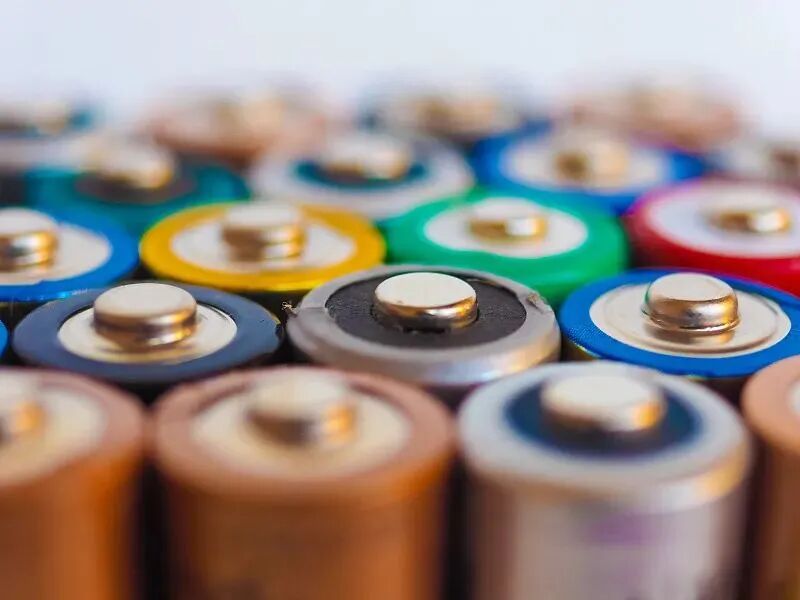
All cells and batteries must have passed the mandatory UN Manual of Tests and Criteria, Part III, Section 38.3 (UN38.3) test series. They must also be equipped with safety vents and be designed with protections against external short circuits and dangerous reverse current. Manufacturers must operate under a certified quality management system.
B. Special Requirements for Energy Storage Systems (ESS):
- Testing: Stricter UN38.3 testing is required for cells, modules, and clusters within containerized or cabinet-type ESS, including crush, over-discharge, vibration, shock, and short circuit tests.
- Container/Cabinet Integrity: The transport unit (container or cabinet) must be of permanent structure, with battery racks securely fixed inside. It must hold valid certification confirming compliance with the International Convention for Safe Containers (CSC), the International Maritime Dangerous Goods (IMDG) Code, and relevant technical rules. The total mass must not exceed the container's maximum gross mass rating.
C. Container Packing (Stuffing) Safety:
- General: All packing must comply with Chinese national standard GB 40163. Upon completion, a Container Packing Certificate (CTU Pack) with photos must be submitted via the Shanghai MSA's EDI system.
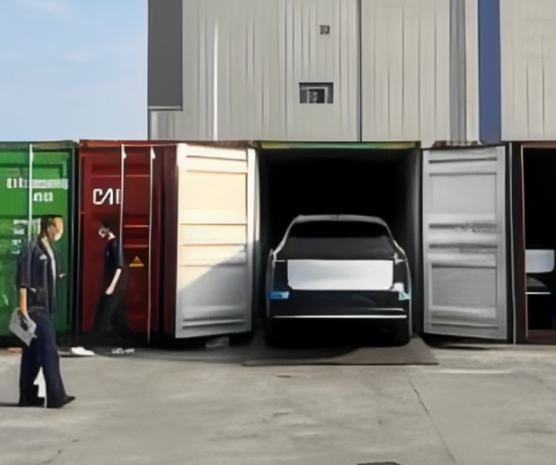
- Lithium Battery Electric Vehicles (EVs): A detailed, vessel-classification-society-approved packing and securing plan is mandatory. It must specify the container type, vehicle arrangement, and all lashing materials/methods. Vehicles must be secured using wheel blocks, lashing belts, or specialized vehicle frames to prevent any movement during transport. A thorough photographic record of the packing process is required.
5. Testing, Transport & Documentation
A. Approved Testing Laboratories:
UN38.3 testing and classification reports must be issued by labs accredited with CMA, CNAS, or ILAC-MRA certification. Reports must clearly state the product model, test standards, and conclusions within the lab's accredited scope.
B. Key Transport Provisions:
- Vessels must hold a valid Certificate of Fitness for carrying dangerous goods and operate at terminals licensed for Class 9 cargo.
- For safety, the State of Charge (SOC) for ESS and EVs is recommended to be maintained between 20% and 50%. All battery management systems and inverters should be powered off.
- On deck, cargo should be shaded from direct sunlight, with water spray systems available. Under deck, cargo should not be placed in holds protected only by fixed CO₂ systems.
- Containerized ESS is recommended for on-deck stowage, considering deck load limits.
- Crew must conduct regular safety patrols of the cargo area.
C. Documentation Checklist:
Required documents vary by cargo type but generally include:
- Safety Data Sheet (SDS)
- Dangerous Goods Classification & Identification Report or Transport Conditions Appraisal
- UN38.3 Test Summary Report
- Application forms, product photos, and detailed descriptions of measures taken to prevent short circuits and accidental activation.
- For ESS: Container inspection certificates and structural proof for cabinets.
- For EVs: Approved packing/securing plans.
6. Emergency Response
Ships must have specific emergency plans for lithium battery incidents (fire, explosion). The guide's annex provides Recommended Emergency Response Procedures for Lithium Battery Fires. A key operational directive: if a container shows rising temperature or smoke, use water spray to cool the exterior and DO NOT open the doors. Trained personnel should handle the situation upon discharge.
Conclusion
The Shanghai Port Guide provides a robust, actionable framework for the safe and compliant waterborne transport of lithium batteries. While it is a guideline and shippers must always comply with the latest IMDG Code and international regulations, it represents the stringent standard expected for exports via Shanghai. As your logistics partner, we ensure that every shipment is meticulously prepared to meet these requirements, safeguarding your supply chain, our crews, and the maritime environment.