
A Comprehensive Guide to Dangerous Goods Labels for International Shipping: Ensuring Safety in Sea and Air Transport
Introduction: The Critical Role of Compliance in Global Supply Chains
For international procurement managers and businesses sourcing chemicals and regulated goods from China, ensuring safe and compliant transportation is a cornerstone of supply chain integrity. A fundamental element of this compliance is the correct identification and labeling of Dangerous Goods (also commonly referred to as Hazardous Materials or Hazmat).
Dangerous Goods labels are not mere stickers; they are critical, standardized visual communications. Affixed to the exterior of packages and containers, these labels instantly convey the primary hazard, key risks, and essential response information. They enable everyone in the logistics chain—from warehouse handlers and freight forwarders to vessel crews and port authorities—to quickly identify hazards and take appropriate precautions, thereby preventing accidents and ensuring safety for people, assets, and the environment.
This guide, presented from an international logistics perspective, details the UN-based classification system for Dangerous Goods and the mandatory labeling standards for sea (IMDG Code) and air (IATA DGR) transport.
Part 1: Understanding the 9 Classes of Dangerous Goods & Their Labels
The United Nations Model Regulations classify Dangerous Goods into nine primary classes. Some classes are further divided into divisions. Correct classification is the shipper's legal responsibility and the first step in compliance.
Class 1: Explosives
- 1.1: Substances and articles with a mass explosion hazard.
- 1.2: Substances and articles with a projection hazard but not a mass explosion hazard.
- 1.3: Substances and articles with a fire hazard and either a minor blast or projection hazard, or both, but not a mass explosion hazard.
- 1.4: Substances and articles presenting no significant hazard.
- 1.5: Very insensitive substances with a mass explosion hazard.
- 1.6: Extremely insensitive articles with no mass explosion hazard.
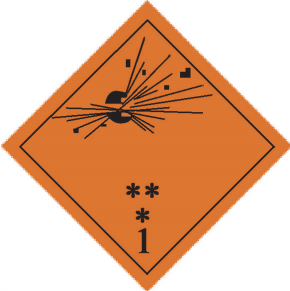
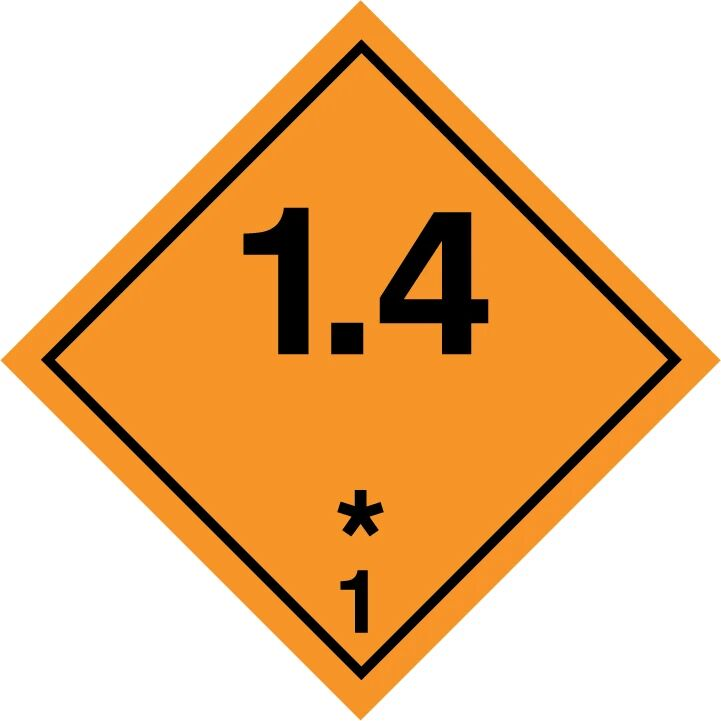
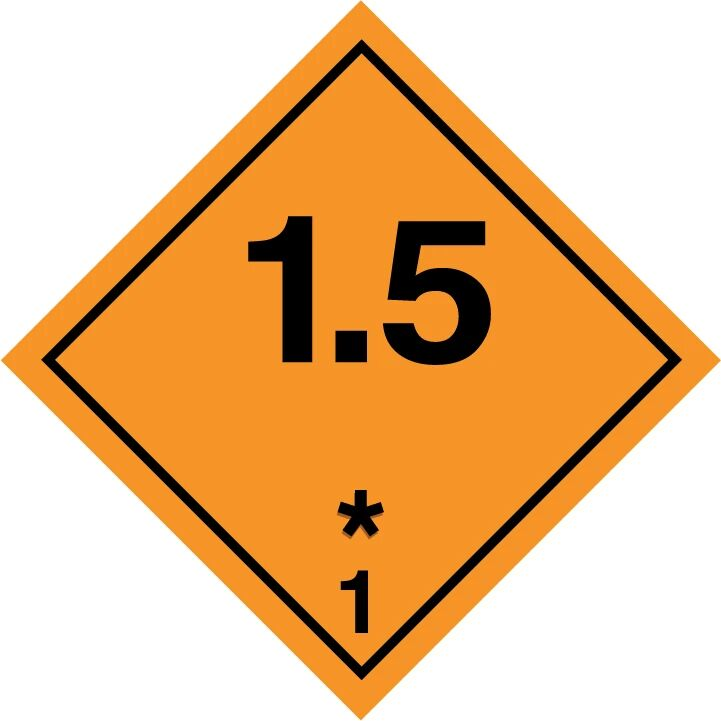
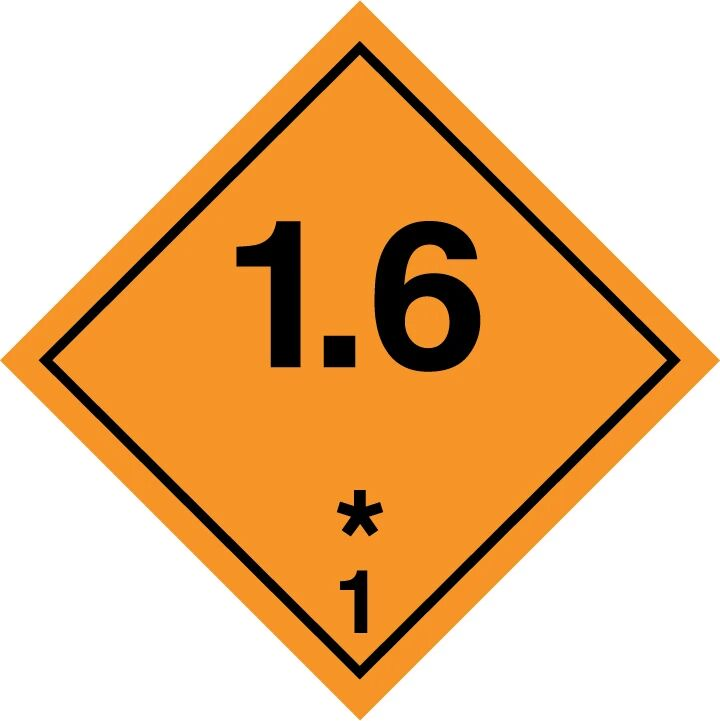
Label Note: Labels for explosives display the division number (e.g., 1.4) and compatibility group letter. If the explosive hazard is subsidiary, these fields may be blank.
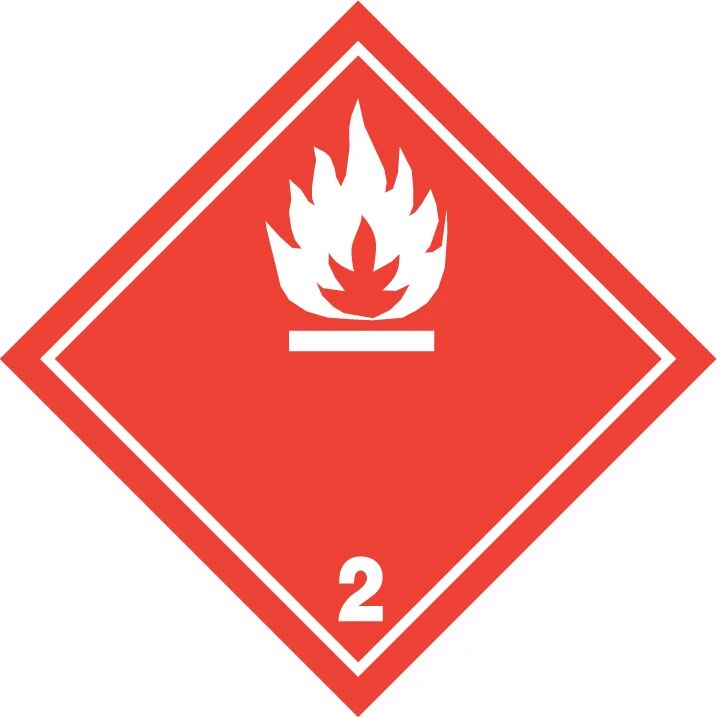
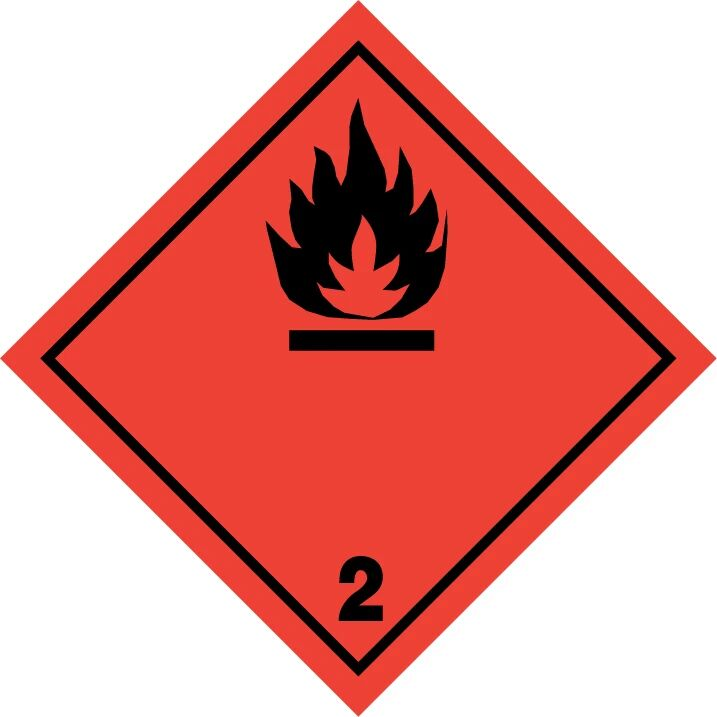
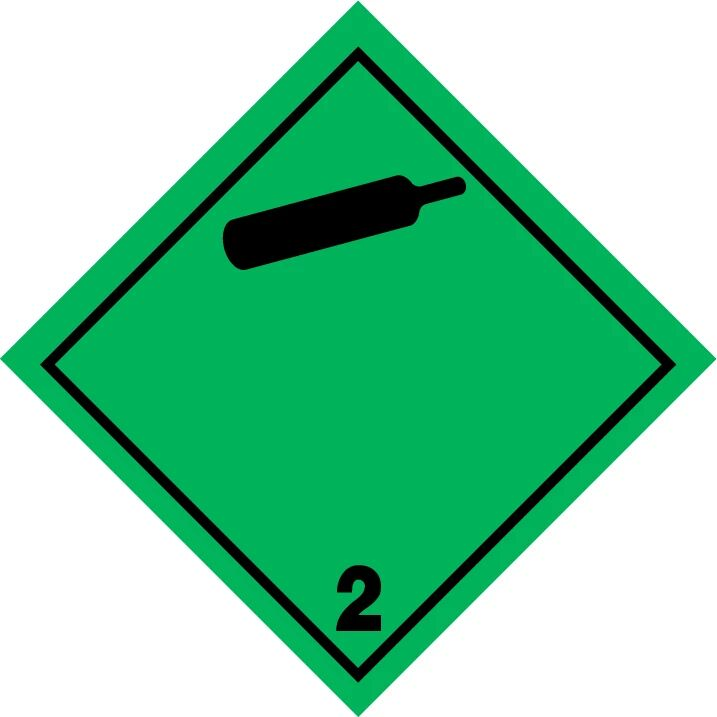
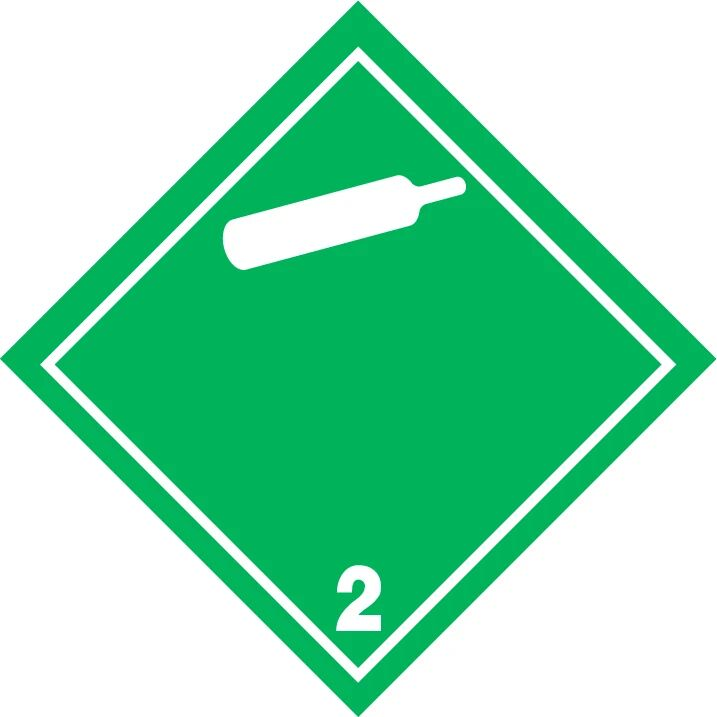
Class 2: Gases
- 2.1: Flammable Gases (e.g., propane).
- 2.2: Non-Flammable, Non-Toxic Gases (e.g., nitrogen, helium).
- 2.3: Toxic Gases (e.g., chlorine).
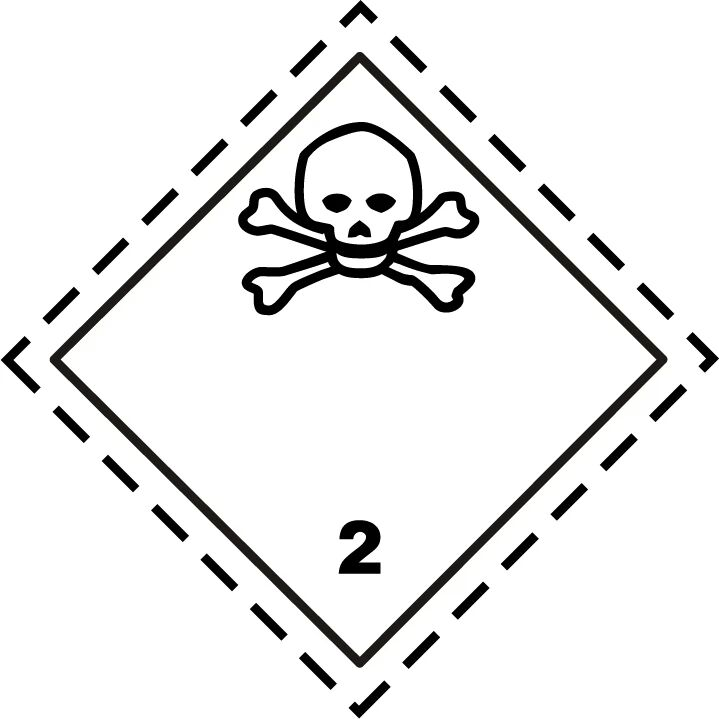
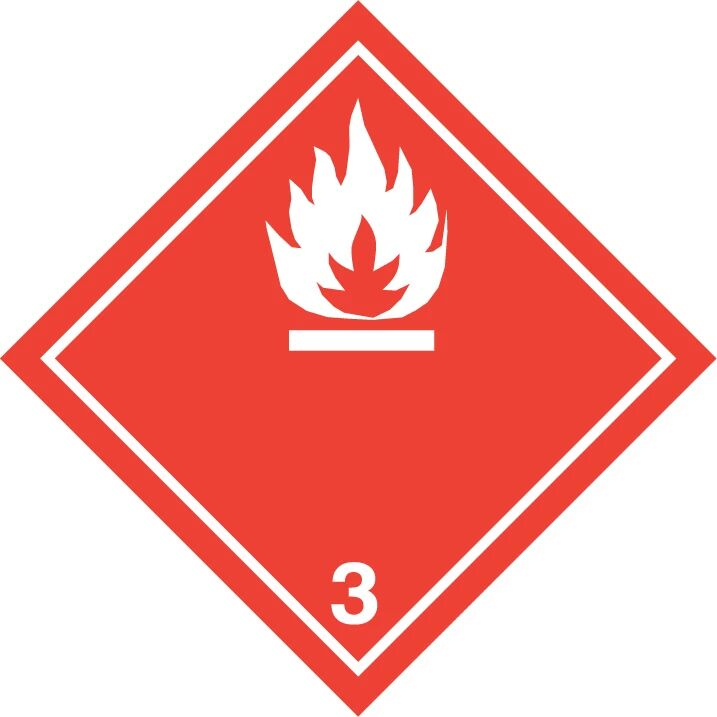
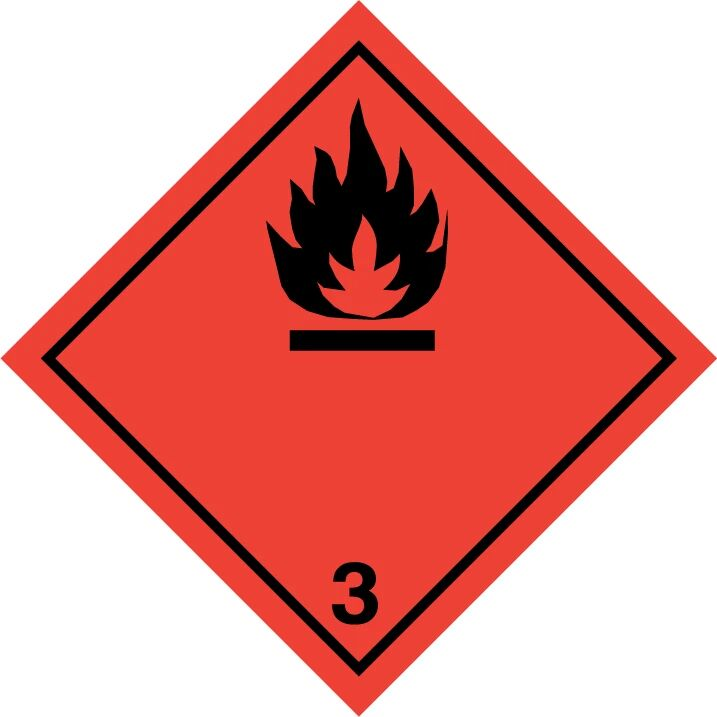
Class 3: Flammable Liquids
(e.g., acetone, gasoline).
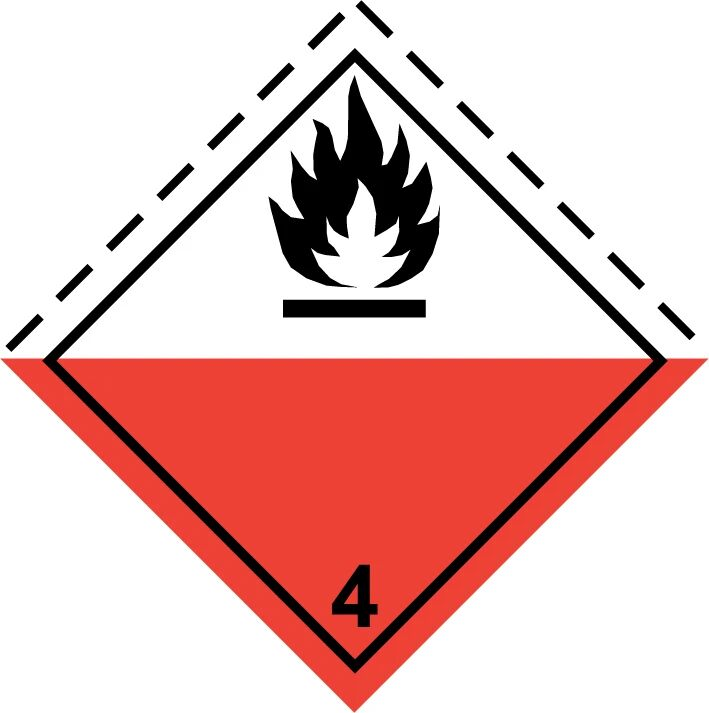
Class 4: Flammable Solids; Substances Liable to Spontaneous Combustion; Substances which, in contact with water, emit flammable gases
- 4.1: Flammable solids, self-reactive substances, and solid desensitized explosives.
- 4.2: Substances liable to spontaneous combustion.
- 4.3: Substances which, in contact with water, emit flammable gases.

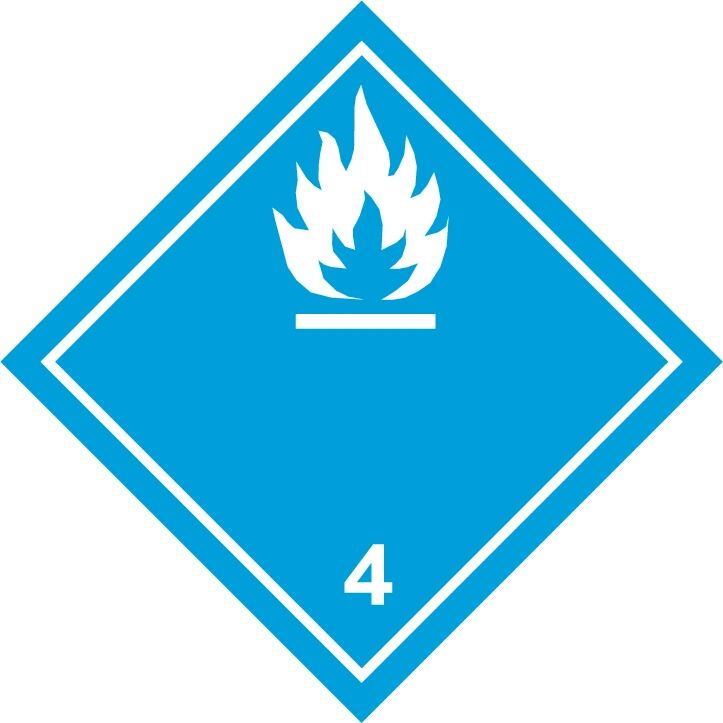
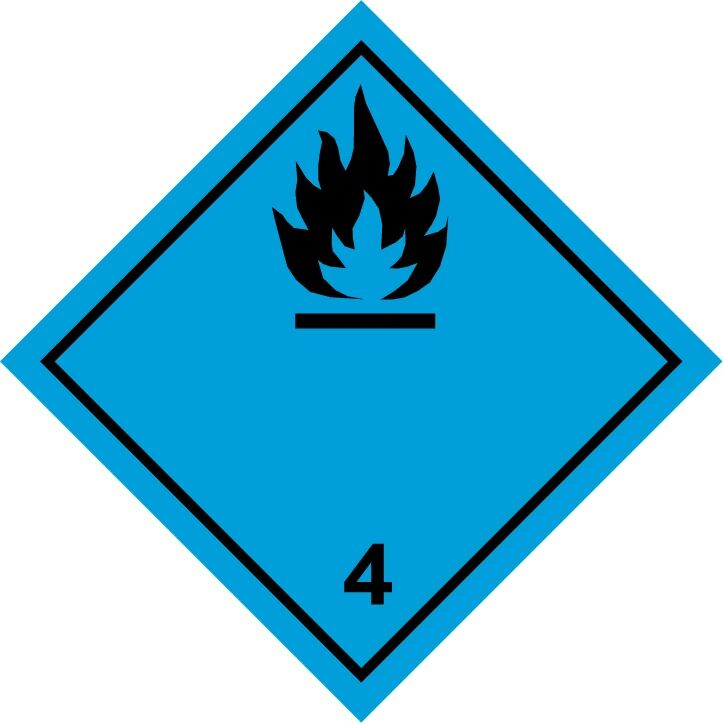
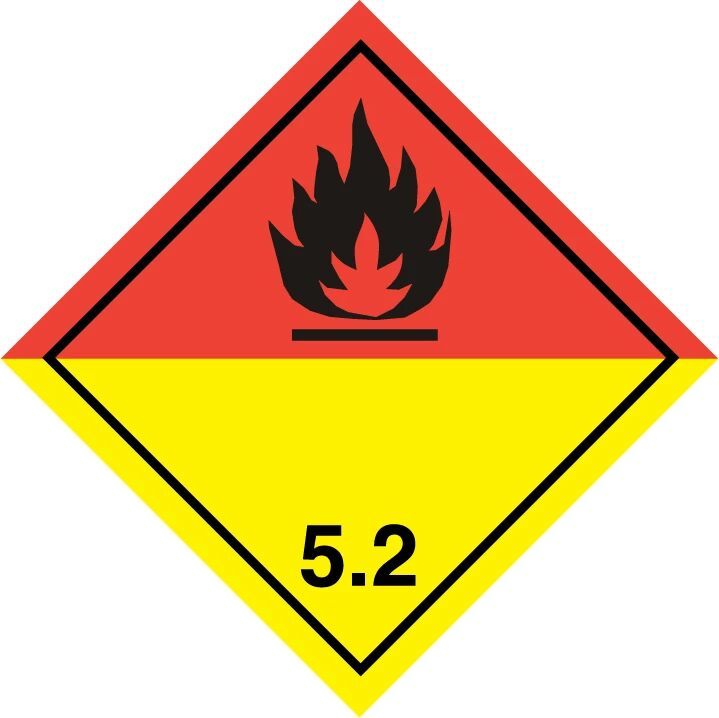
Class 5: Oxidizing Substances and Organic Peroxides
- 5.1: Oxidizing substances.
- 5.2: Organic peroxides.
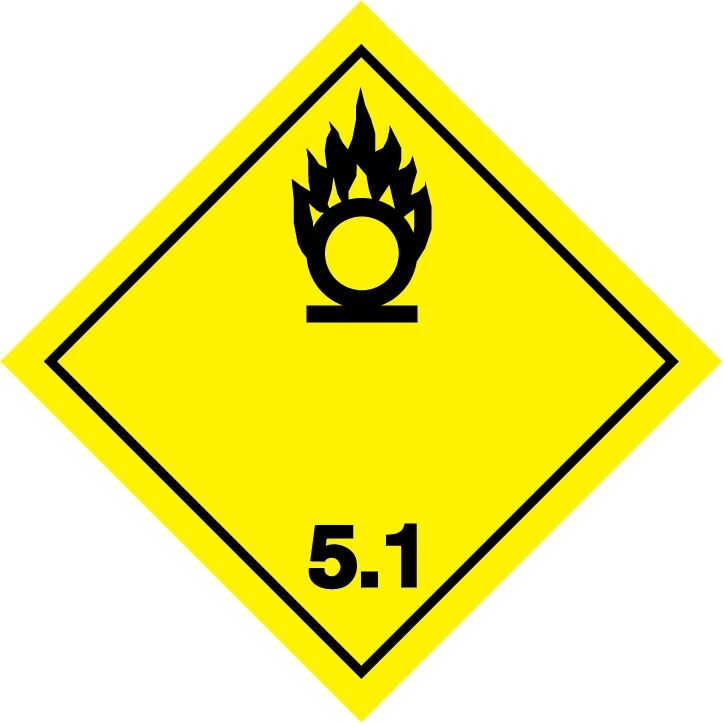
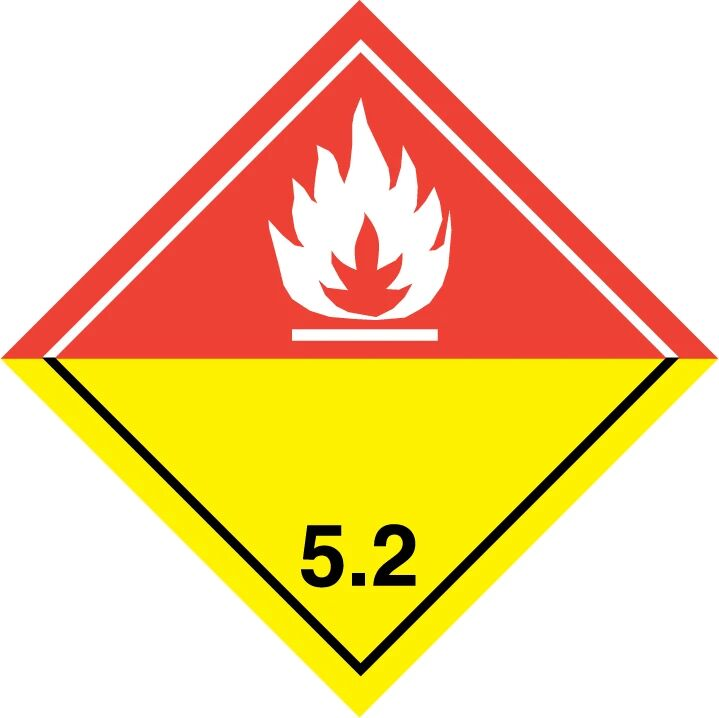
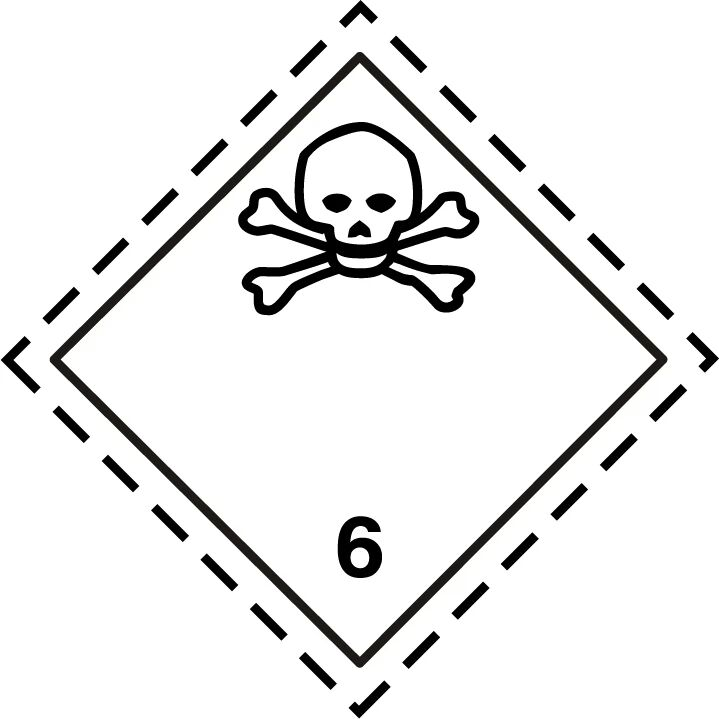
Class 6: Toxic and Infectious Substances
- 6.1: Toxic substances.
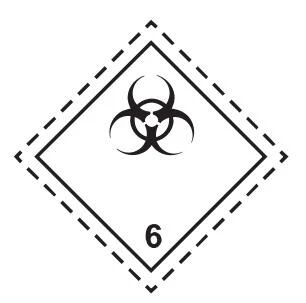
- 6.2: Infectious substances. (Label may include the words "INFECTIOUS SUBSTANCE" and "In case of damage or leakage, immediately notify public health authority" in black text on the lower half).
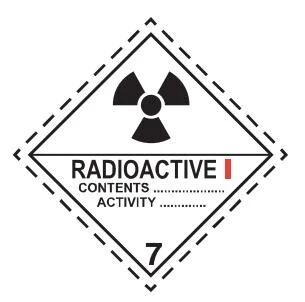
Class 7: Radioactive Material
- Category I-WHITE: Low radiation level. Label includes one red vertical bar.
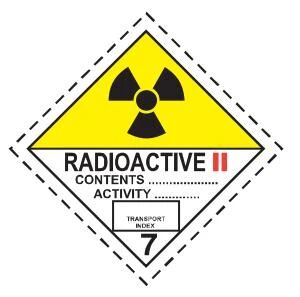
- Category II-YELLOW: Medium radiation level. Label includes two red vertical bars and displays the Transport Index (TI) in a black box.
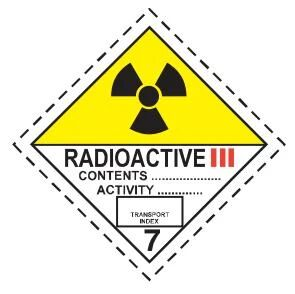
- Category III-YELLOW: High radiation level. Label includes three red vertical bars and displays the Transport Index (TI) in a black box.
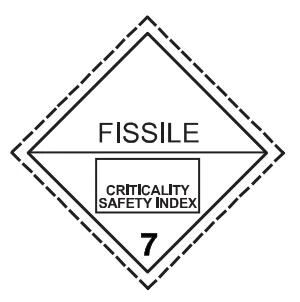
- FISSILE: Label bears the word "FISSILE" and the Criticality Safety Index (CSI) in a black box.
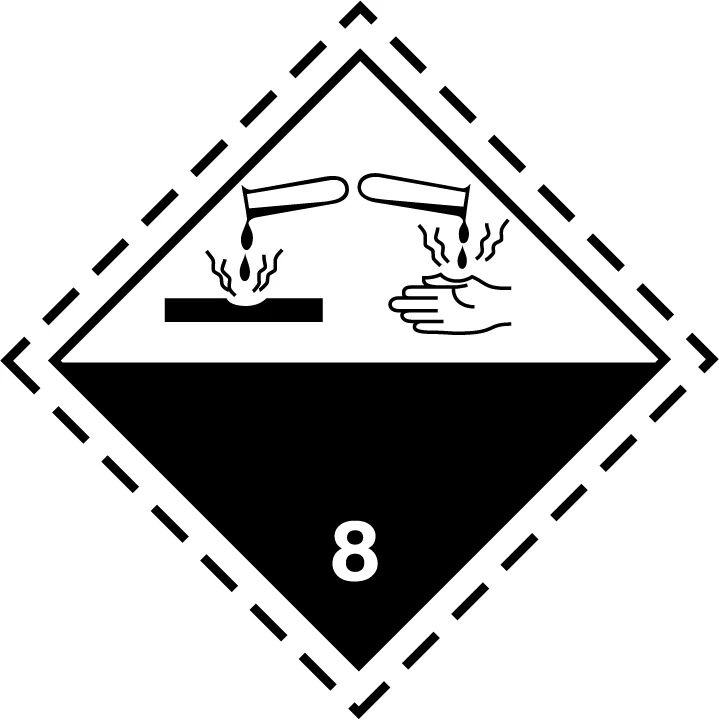
Class 8: Corrosive Substances
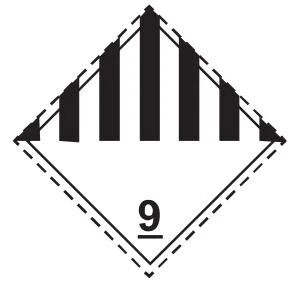
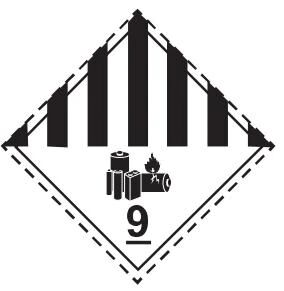
Class 9: Miscellaneous Dangerous Substances and Articles, including Environmentally Hazardous Substances
Part 2: Mandatory Labeling Regulations for Safe Transport
Correct labeling is as crucial as correct classification. The International Maritime Dangerous Goods (IMDG) Code and the IATA Dangerous Goods Regulations (DGR) specify strict application standards.
- Size: The minimum label size is 100 x 100 mm. Smaller labels are permissible only on very small packages, provided they remain clearly visible and legible.
- Orientation: Labels must be affixed on the package surface at a 45-degree angle (diamond orientation) relative to the horizontal base. They must never be displayed sideways or upside down.
- Format: Each label must have a solid black line forming a border at least 1 mm thick. A clear margin of at least 5 mm outside this border is required.
- Durability & Adhesion: Labels and their adhesives must be resistant to weather conditions (rain, sunlight) and remain securely attached throughout the transport cycle without deterioration or detachment.
- Placement: Labels must be applied on a clearly visible part of the package or container. They must not be obscured by other markings, straps, or any part of the packaging.
- Large Container Requirements: For Intermediate Bulk Containers (IBCs) and large containers with a capacity exceeding 450 liters, labels must be displayed on two opposite sides.
Conclusion: Partnering for Compliance
Navigating the complex regulations for Dangerous Goods logistics requires expertise. As a leading provider of hazardous materials classification and safety data sheet (SDS) authoring services in China, Shanghai Research Institute of Chemical Industry Testing Co., Ltd. (SRICI) supports global shippers with comprehensive testing and classification for all nine classes of Dangerous Goods across all modes of transport—sea, air, road, and rail.
Ensuring your products are correctly classified, packaged, marked, labeled, and documented is not just a legal requirement; it is a critical commitment to global supply chain safety. Always consult the latest editions of the IMDG Code, IATA DGR, and relevant national regulations, or partner with a qualified expert, to ensure full compliance for every shipment.