
Understanding Chemical Hazards: A Strategic Guide to GHS and TDG Compliance in Global Logistics
As a professional freight forwarder based in Shenzhen, China, we recognize that navigating the complexities of chemical exports is a significant challenge for international buyers. Ensuring safety and regulatory compliance is not just a legal requirement—it is the foundation of a resilient global supply chain.
To help you manage risk and ensure smooth customs clearance, we have outlined the critical differences between the two primary regulatory frameworks governing chemical hazards: TDG and GHS.
1. The Evolution of Global Chemical Standards
Historically, fragmented national regulations created significant barriers to international trade. To standardize the movement of hazardous materials, the United Nations developed two complementary systems:
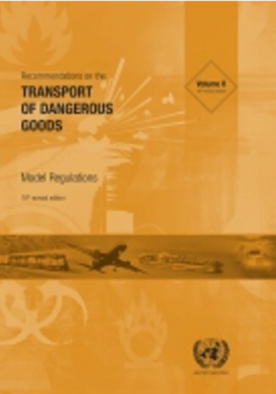
- The TDG Framework (The "Orange Book"): Established in 1956, the UN Recommendations on the Transport of Dangerous Goods (TDG) focuses specifically on the "transport" phase. It aims to prevent acute accidents during transit and is updated biennially to reflect emerging logistics risks.
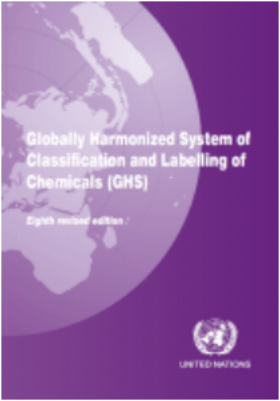
- The GHS Framework (The "Purple Book"): Introduced in 2003, the Globally Harmonized System of Classification and Labelling of Chemicals (GHS) provides a universal standard for the entire lifecycle of a chemical—including production, storage, workplace use, and disposal. While non-mandatory as a treaty, it has been adopted into national law by most major trading partners, including China and the United States.
2. Comparative Analysis: TDG vs. GHS
Understanding how these systems overlap is vital for accurate documentation and cargo acceptance.
The TDG System: Focus on Transport Risk
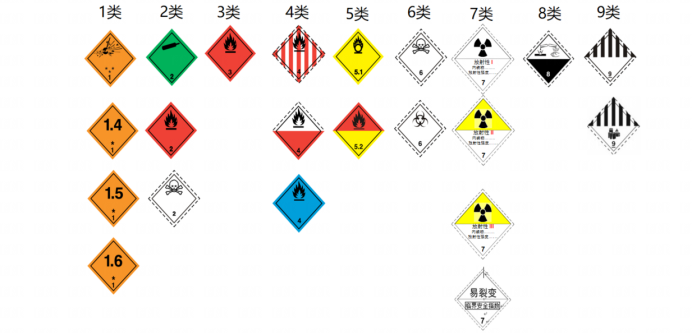
TDG categorizes dangerous goods into 9 Classes based on their immediate physical and acute health risks during carriage. Most substances are further assigned a Packing Group (PG I, II, or III) representing the level of danger, which dictates the type of UN-approved packaging required.
Key Advantage: It includes specific categories like infectious substances and radioactive materials that are essential for transport safety but often excluded from GHS.
The GHS System: Focus on Comprehensive Hazard Communication
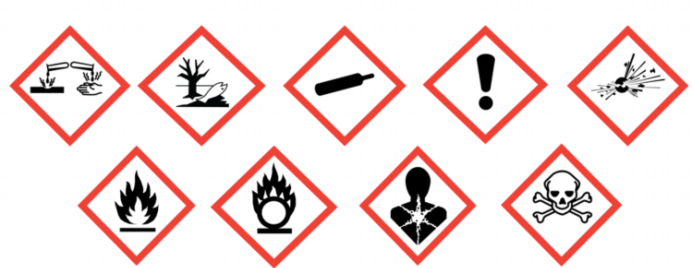
GHS covers 29 hazard classes divided into physical, health, and environmental hazards. It provides a more granular look at long-term risks, such as chronic toxicity and carcinogenicity.
Hazard Communication: GHS utilizes standardized Safety Data Sheets (SDS) and labels featuring specific pictograms, signal words (e.g., "Danger" or "Warning"), and hazard statements.
Core Differences at a Glance
- Scope: GHS applies to the full lifecycle; TDG is strictly for the logistics chain.
- Risk Profile: TDG emphasizes acute effects (explosions, immediate toxicity); GHS includes chronic and environmental impacts.
- Labeling: GHS pictograms are used on primary packaging (bottles/drums), while TDG diamond-shaped placards are required on outer packaging and transport units (containers/trucks).
3. Practical Compliance for International Shippers
In the practical world of air and sea freight, your shipment must satisfy both systems simultaneously to move from a Chinese factory to an overseas warehouse:
- Safety Data Sheets (SDS): Every chemical shipment must be accompanied by a GHS-compliant SDS to declare its properties accurately.
- Integrated Labeling: Typically, the inner packaging follows GHS labeling requirements, while the outer shipping cartons must display the correct TDG class marks and UN numbers.
- Classification Reports: For shipments originating in China, carriers and customs often require a Transport Classification Assessment Report to verify that the goods are classified correctly under the current TDG/IMDG/IATA DGR standards.
Expert Conclusion
Safety and compliance are non-negotiable in the chemical supply chain. Misclassifying a hazardous material—or failing to account for the differences between GHS and TDG—can lead to severe penalties, shipment seizures, and safety incidents.
By partnering with a logistics expert who understands these nuances, you can ensure that your goods are not only compliant with Chinese export laws but also meet the rigorous safety standards of the international maritime and aviation industries.