
A Guide for Global Buyers: Understanding China's Rail Dangerous Goods Transportation for Safe Supply Chain Operations
Introduction
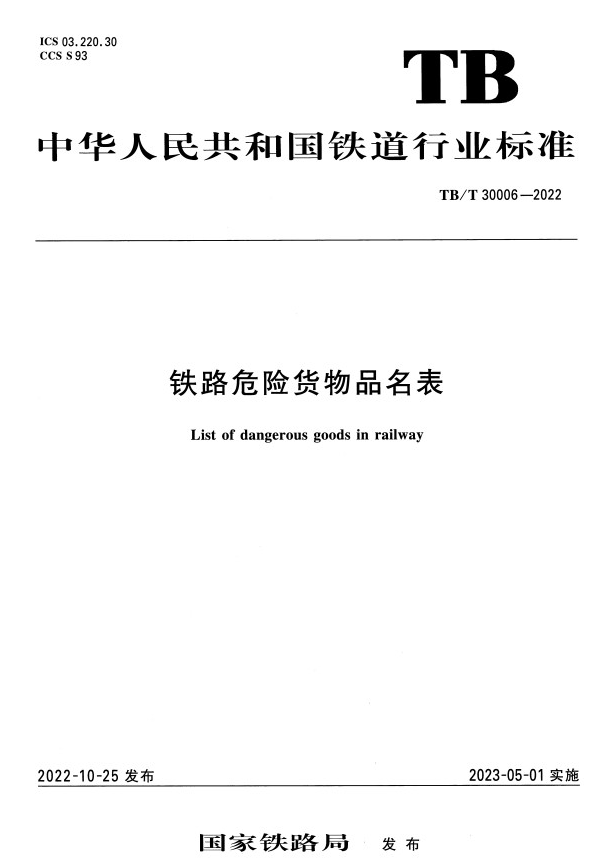
As a leading international freight forwarder based in Shenzhen, China, we understand the critical importance of safe, compliant, and efficient transportation for your global supply chain. This guide is specifically tailored for international buyers, procurement managers, and supply chain professionals sourcing products from China. It introduces a fundamental regulatory document for inland China transportation: the Rail Dangerous Goods List (TB/T 30006-2022), which plays a pivotal role in the first mile of your logistics journey.
Understanding China's domestic transportation regulations for hazardous materials is essential, as these rules govern the movement of goods from Chinese factories to seaports or airports, before they are loaded for international sea or air freight. This knowledge helps in planning, cost estimation, and ensuring seamless handover to international carriers.
1. The Regulatory Framework: The Rail Dangerous Goods List (TB/T 30006-2022)
What is it? The Rail Dangerous Goods List (TB/T 30006-2022) is the official national industry standard issued by China's National Railway Administration. It came into effect on May 1, 2023, replacing the 2009 version. This standard is mandatory for all domestic rail transportation of dangerous goods within China, including the domestic leg of international multimodal shipments.
Primary Function: It serves as the master reference, specifying the classification, packaging, marking, and labeling requirements for dangerous goods transported by rail in China. It also provides vital safety information such as fire-fighting methods, decontamination procedures, and first-aid measures for listed substances. Importantly, it correlates Chinese "Tie Wei" numbers with corresponding UN Numbers, facilitating alignment with international codes (IMO/ICAO/IATA).
2. Decoding the List: Structure and Key Data Fields
The List is systematically organized to provide all necessary information for safe transportation.
Dangerous Goods Classification: Goods are classified into 9 classes, largely aligned with the UN Model Regulations. Key distinctions in the Chinese rail system include:
- Class 3: Flammable Liquids are subdivided into Division 3.1 (Primary) and Division 3.2 (Secondary).
- Class 8: Corrosive Substances are subdivided into Division 8.1 (Acidic), 8.2 (Alkaline), and 8.3 (Other Corrosives).
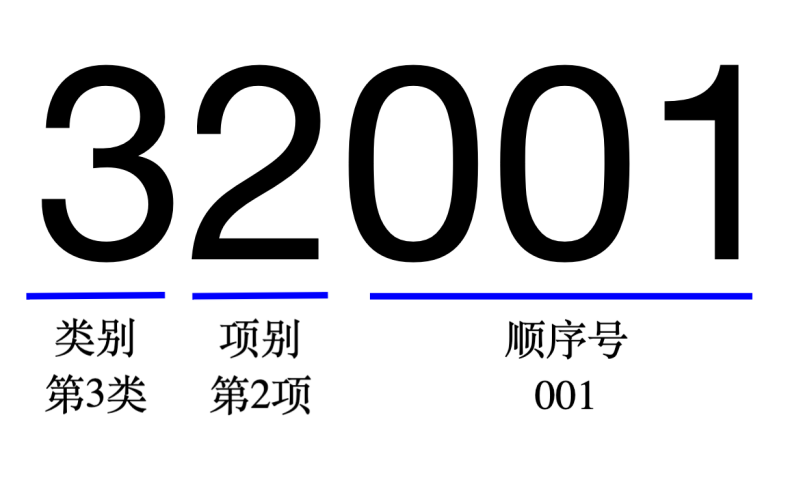
"Tie Wei" Number (Rail Dangerous Goods Identification Number): This is a unique 5-digit code (sometimes with a suffix letter) assigned to each substance or article. The structure is: [Class][Division][Serial Number]. For example, 32001 indicates: Class 3, Division 2, Serial Number 001.
Composition of the List: The core consists of 23 tables, one for each primary hazard class/division (e.g., Table 10 for Class 3.1, Table 11 for Class 3.2). Each entry in these tables contains 12 data columns, providing comprehensive shipping instructions. Key columns include:
- Proper Shipping Name (PSN): The official name for transport, with any qualifying text in brackets.
- Characteristics/Properties: Describes primary physical, chemical, and hazardous properties. (Note: This is for reference. Actual classification is based on test criteria).
- Hazard Label(s): Specifies the primary and subsidiary risk labels per Chinese standard GB 190 (aligned with GHS pictograms). The first number denotes the primary hazard.
- Packing Instructions: References specific packaging codes from the ancillary standard Rail Transport Packaging for Dangerous Goods (TB/T 2687-2020).
- Special Provisions: Alphanumeric codes pointing to additional, product-specific transport conditions detailed in the appendix of the standard.
- UN Number: The corresponding United Nations Number, ensuring global identification.
3. How to Use the List: A Practical Guide for Verification
There are two primary methods to look up a substance:
Method A: Known "Tie Wei" Number
If the Chinese supplier provides the "Tie Wei" Number (e.g., from a Safety Data Sheet or a previous shipment), you can directly locate the entry in the main list, which is sorted numerically.
Method B: Known Product Name or Synonym
This is the more common scenario. You must use the accompanying Index volume. The process is:
- Find the first character of the Chinese product name/synonym in the Index's "Stroke Index" or "Pinyin (Phonetic) Index" to get a page number.
- Turn to that page in the "Alphabetical List of Proper Shipping Names" section of the Index to find the corresponding "Tie Wei" Number.
- Use this "Tie Wei" Number to find the full entry in the main List.
Example: Searching for the synonym "酒精" (alcohol) leads you to "Tie Wei" Number 31161, which corresponds to the entry for "Ethanol" with all its transport specifications.
4. Critical Procedure for Non-Listed or Unknown Substances
If a substance you intend to ship is not listed in the Rail Dangerous Goods List and its hazards are unknown, a mandatory regulatory step must be taken before domestic rail transport in China can be arranged.
According to the Rail Dangerous Goods Transport Management Rules, the shipper (typically the Chinese exporter/supplier) must commission a competent testing laboratory recognized by the National Railway Administration to perform a hazard classification test and assessment.
The resulting Test Report will determine if the substance is dangerous for transport and, if so, assign the appropriate "Tie Wei" Number, Proper Shipping Name, class, and packing group. This report is required to apply for a "new product trial shipment" approval. As your freight forwarder, we can guide your suppliers through this process.
5. Industry-Specific Transport Guidelines
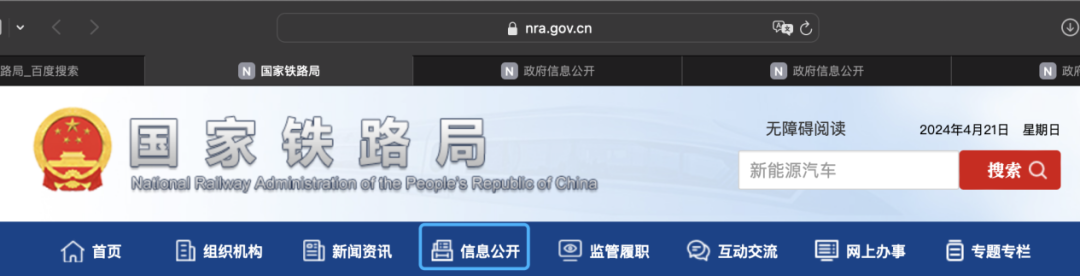
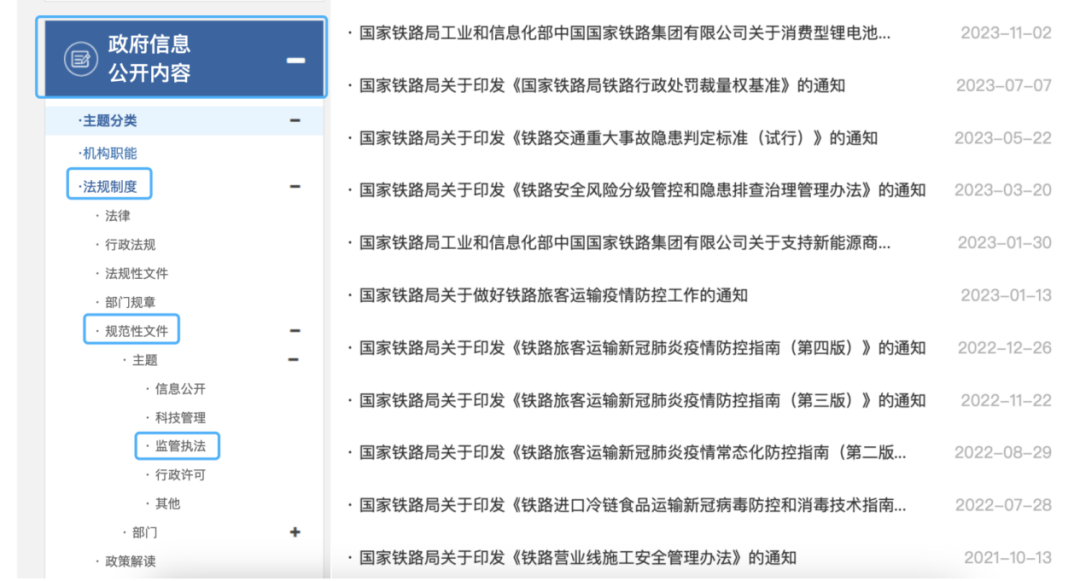
For goods with specific transport challenges, such as new energy vehicles or consumer lithium batteries, the National Railway Administration periodically issues dedicated Transport Guidance Documents. These can be found on the NRA official website under: Government Information Disclosure Laws & Regulations Regulatory Documents Supervision & Enforcement.
Conclusion
For international buyers, a basic understanding of China's Rail Dangerous Goods List is a key component of supply chain due diligence. It ensures that the inland transportation of your purchased goods—especially chemicals, batteries, or manufactured products containing hazardous components—is executed safely, compliantly, and without delays. Proactive verification of the correct "Tie Wei" Number and classification with your Chinese suppliers or your freight forwarder mitigates risks and facilitates a smooth handoff to international sea or air transport.