Since 2012 NVOCC GD20230925153335 24h Response
+86 13392162503 sales8015@goodhopefreight.com Login
Goodhope Freight

Logistics Intelligence: Safety and Compliance Standards for Shipping Nitrocellulose from China

—— A Focus on Shipping Nitrocellulose from China

To Our Valued Global Partners,

Nitrocellulose, a critical raw material for coatings, inks, and specialized industries, is classified as a high-consequence dangerous good due to its sensitivity to heat, friction, and impact. When sourcing from China, understanding the regulatory landscape under the IMDG Code is essential for a resilient supply chain.
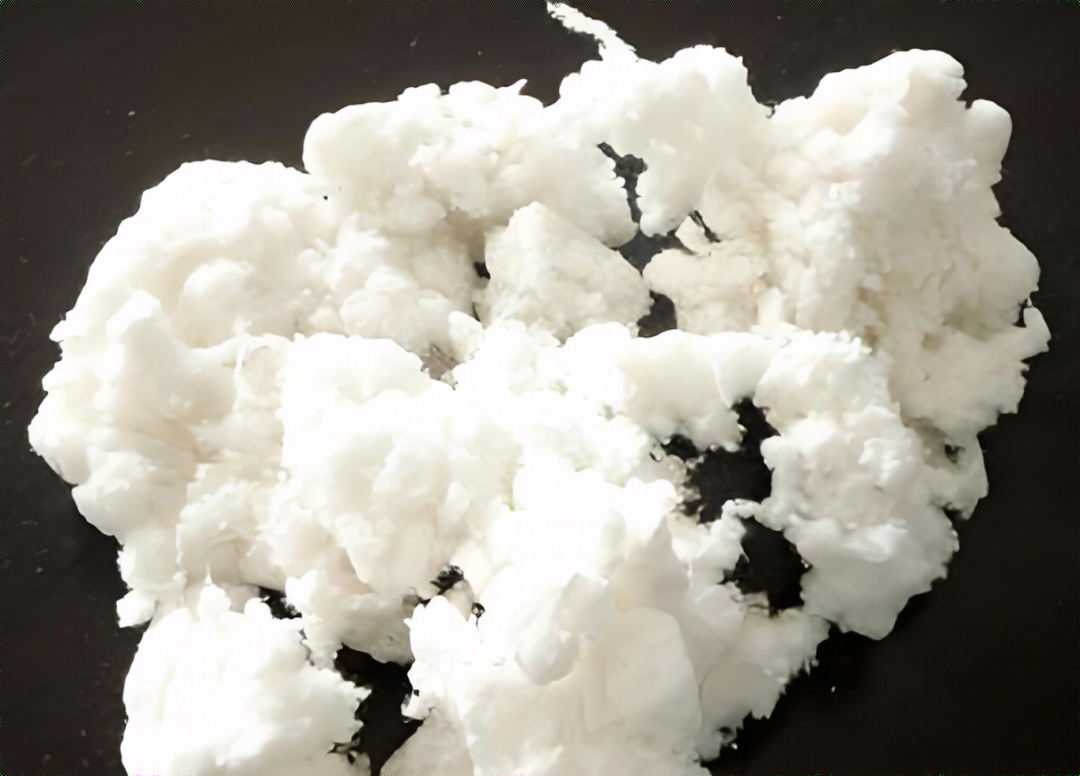
Nitrocellulose chemical structure illustration

1. Hazard Profile and Regulatory Oversight

Nitrocellulose is inherently unstable and highly flammable. It is prone to decomposition, which releases toxic fumes and increases explosion risks. In China, it is strictly monitored under the Catalog of Hazardous Chemicals, requiring rigorous export documentation and specialized handling.

2. Classification and UN Identification

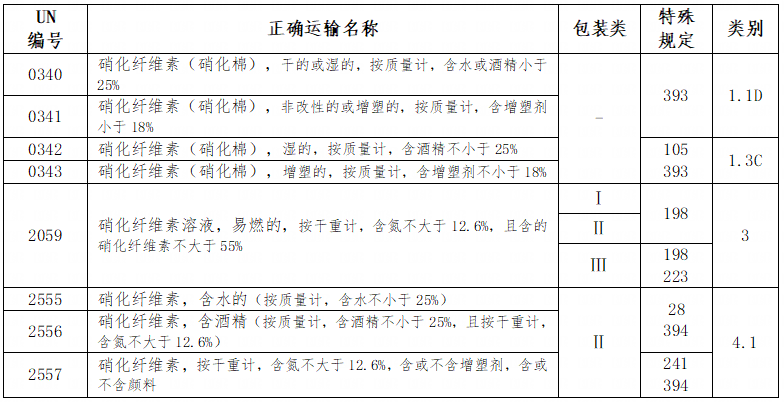
Under the IMDG framework, Nitrocellulose is categorized into three hazard classes based on its nitrogen content and desensitizing agent:

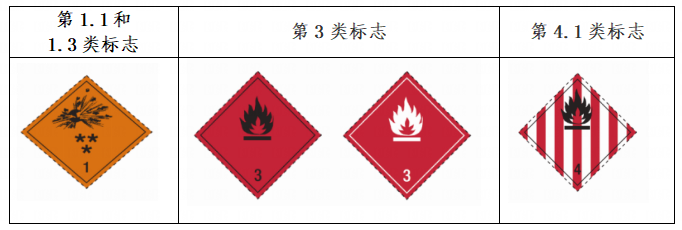
  • Class 1 (Explosives): Includes UN 0340, 0341, 0342, and 0343. These are subject to the most stringent shipping restrictions and are generally prohibited on passenger vessels.
  • Class 3 (Flammable Liquids): Represented by UN 2059 (Nitrocellulose solution). These are liquid desensitized explosives.
  • Class 4.1 (Flammable Solids): Includes UN 2555, 2556, and 2557. These are solid desensitized explosives wetted with water or alcohol to suppress explosive properties.
Nitrocellulose classification diagram UN identification numbers for Nitrocellulose

3. Packaging, Stowage, and Segregation

  • Packaging Integrity: Shipments must comply with Packing Instructions P112, P001, or P406. It is mandatory that all containers be hermetically sealed to prevent the evaporation of wetting agents, which could lead to the material re-sensitizing.
  • Stowage Requirements: Cargo must be stowed "Away from" heat sources and living quarters. For Class 1, stowage categories are strictly limited (e.g., Category 04).
  • Segregation: Class 4.1 products must be segregated ("Away from") Class 3 materials and heavy metal salts to prevent hazardous chemical reactions during transit.

4. Emergency Response (EmS Guide)

According to the EmS Guide, emergency protocols differ by class:

  • Fire Response: Use large volumes of water for cooling from a protected distance.
  • Spill Management: Eliminate all ignition sources immediately. For Class 3 liquid spills, avoid direct water jets to prevent the splashing and spreading of the flammable liquid.

5. Professional Recommendation for Buyers

As your Shenzhen-based logistics partner, we emphasize that regulatory compliance is non-negotiable. Before finalizing a purchase:

  • Verify the UN Number and Packing Group provided by the supplier.
  • Ensure the SDS (Safety Data Sheet) is GHS-compliant and updated.
  • Confirm that the supplier holds a valid Dangerous Goods Packaging Performance Certificate.

Our team at Goodhope Freight remains committed to ensuring your high-risk cargo is transported safely, legally, and efficiently.

Frequently asked questions about shipping Logistics Intelligence: Safety and Compliance Standards for Shipping Nitrocellulose from China

Which rule set applies when shipping Nitrocellulose from China?
The mode decides the rule set: the IMDG Code for sea, the IATA DGR for air, and the ADR or local road rules for the inland leg. Each set carries its own entries, packing instructions and labels, so a product accepted by one mode can be refused by another. The page explains how the classification is reached, and the shipper confirms the current edition before booking.
Which documents must accompany a dangerous goods shipment of Nitrocellulose?
For Nitrocellulose the core set is a shipper declaration for dangerous goods, a safety data sheet for the current formulation, and packing certificates for the packaging used. Sea freight adds the container packing certificate, and air freight adds the signed 24-hour emergency contact on the declaration. Inconsistent paperwork is the usual reason a booked DG consignment is refused at the gate, so the documents are checked before the cut-off rather than after.
Can Nitrocellulose go by sea, by air, or both?
Sea freight carries most DG volume under the IMDG Code, with the class, packing group and stowage category deciding where the container sits on board. Air is possible for smaller quantities where the IATA DGR entry and operator variations allow, but the per-package limits are far tighter. Rail and road follow their own rule sets, so a mode change means a fresh check rather than a re-used declaration.
Can the cargo move as LCL, or does it need a full container?
Low-hazard classes can move LCL where the co-loading warehouse and the carrier both accept them, provided the consolidation stays compatible. Classes that react with one another, or that need segregated stowage, are pushed to FCL so the container stays dedicated. In practice volume and class decide it: a few pallets of a low-hazard product usually go LCL, while reactive or high-hazard cargo goes FCL.
Which labels and marks are required on the packages?
Each package carries the hazard label for its class, the subsidiary risk label where the entry requires one, plus the UN number and the proper shipping name. Overpacks and containers take the matching placards, and a container gets them on both sides and both ends. Labels are checked at the gate and at the terminal, and a missing or mismatched label stops the shipment where it stands.
How much lead time should I allow for a DG booking?
The booking goes in with the product name, UN number, class, packing group, weight and package type, and the carrier confirms acceptance before the cut-off. Allow several working days beyond a general cargo booking, because the DG desk reviews the declaration and the route restrictions separately. Vessels and aircraft cap how much of each class they carry, so a late request can miss the sailing even where space exists.
How long does the shipment from China take?
Transit depends on the routing and on how quickly the carrier accepts the DG booking, so it is quoted with the sailing or flight rather than from a table. DG review, screening and clearance sit outside the pure transit time.
How should the cargo be stored and handled before loading?
Storage follows the class: flammable entries stay clear of ignition sources and oxidisers, and reactive entries are kept dry and segregated. The warehouse needs the safety data sheet before the cargo arrives so the receiving staff can place it correctly. Damaged or leaking packages are quarantined rather than loaded, because one leak inside a shared container turns into a carrier claim.
What information do you need in order to quote this shipment?
Send the product name and UN number, the class and packing group, the package type and count, the gross weight and CBM, and both addresses. The safety data sheet speeds up the review, and an existing declaration or a previous shipment reference helps match the entry. With those in hand the mode, the route and the DG surcharge can be priced rather than guessed.

Ready to Ship from China?

Planning a shipment or just comparing options? Contact our freight experts to get a tailored rate within 24 hours.

Get A Quote