
Navigating the Risks: A Logistics Expert's Guide to Transporting tert-Butyl Peroxybenzoate (TBPB) Safely
—— A Focus on Shipping TBPB from China
Understanding Critical Controls for Organic Peroxide Shipments Amidst Rising Temperatures
Introduction
As a leading international logistics provider, we recognize the paramount importance of safety and compliance in global supply chains. The transportation of chemicals, particularly organic peroxides, demands utmost diligence. This article serves as a professional advisory for our global partners—purchasers, shippers, and all stakeholders—on the safe and compliant transportation of tert-Butyl Peroxybenzoate (TBPB), a common yet potentially hazardous chemical, especially under elevated ambient temperatures.
1. Substance Overview: tert-Butyl Peroxybenzoate (TBPB)
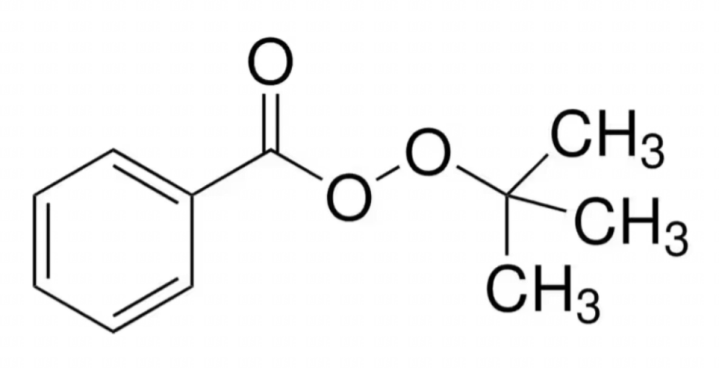
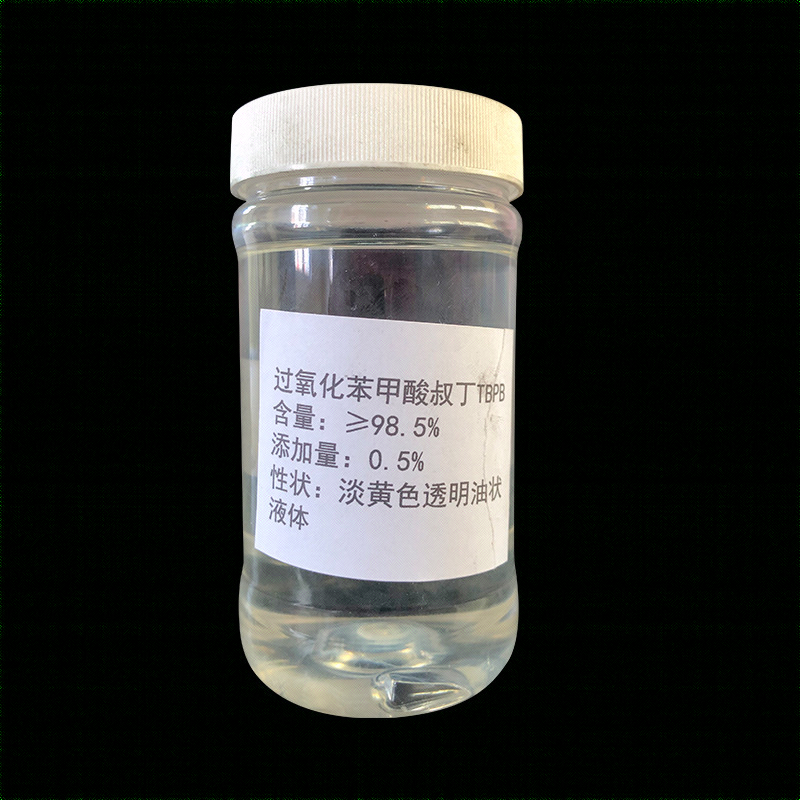
TBPB (CAS No.) is a clear to pale-yellow liquid organic peroxide, widely used as a polymerization initiator and chemical intermediate. Its molecular structure contains a peroxide bond (-O-O-), which is the source of its specific hazards and dictates stringent handling requirements.
2. Hazard Profile and Classification
TBPB is thermally unstable and possesses strong oxidizing properties. When subjected to heat, shock, friction, or contamination, it can decompose rapidly and exothermically. This self-accelerating decomposition can release substantial heat and gases, escalating the risk of fire or, in confined spaces, even explosion.
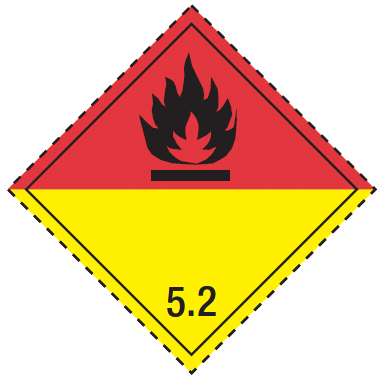
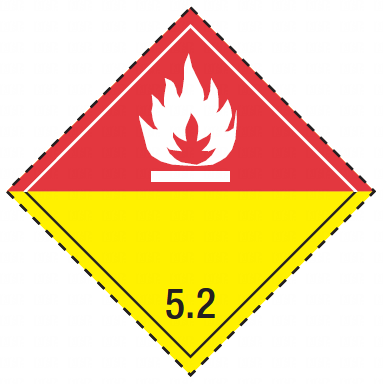
- Regulatory Classification: Under the International Maritime Dangerous Goods (IMDG) Code, TBPB is classified as a Class 5.2 Organic Peroxide.
- UN Number & Packing Group: It is listed under UN 3103, as a Liquid Organic Peroxide, Type C.
- Labeling: Packages require the Class 5.2 label. Under specified packaging (≤ 50kg), the "Explosive" subsidiary hazard label is not mandatory.
3. Key to Safe Transport: Packaging, Temperature, and Stowage
Compliance in these three areas is non-negotiable for mitigating risks.
- Packaging: Must comply with Packing Group II standards and specific packing instructions (e.g., IBC520). Approved packages include combination packagings, single packagings, or composite packagings, with a typical maximum capacity of 30 liters. Excepted and Limited Quantity provisions also apply under defined thresholds.
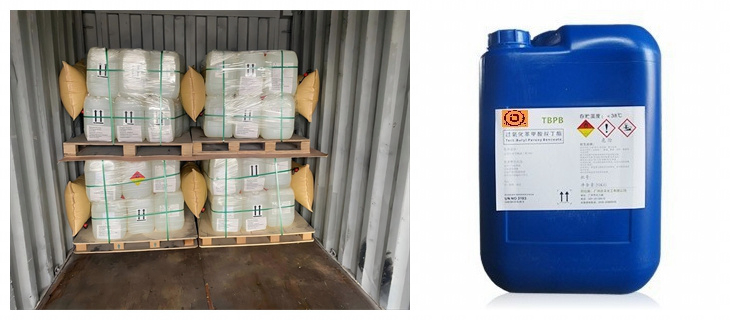
The Critical Factor: Temperature Control
The most crucial parameter for TBPB is its Self-Accelerating Decomposition Temperature (SADT)—the lowest ambient temperature at which self-accelerating decomposition may occur within a package. For TBPB, the SADT is established as 55°C (131°F).
While the IMDG Code does not mandate active temperature control for TBPB (as its SADT 50°C), a critical provision (IMDG Code 7.3.7.2.4) applies: When ambient temperatures during transport are foreseeable to exceed 55°C, temperature-controlled transportation MAY be required.
Expert Recommendation: For shipments originating from or transiting through regions with high seasonal temperatures (e.g., Chinese ports in summer), we strongly advise implementing precautionary temperature-controlled transportation to maintain the cargo temperature safely below its SADT. This proactive measure is a cornerstone of risk management.
Stowage and Segregation
- On board vessels, TBPB must be stowed "ON DECK" only (Stowage Category D), and "AWAY FROM" sources of heat (Segregation Code SW1).
- A minimum distance of 2.4 meters from ship structures that may exceed 55°C is mandatory.
- It must also be segregated from acids and alkalis.
4. Emergency Response Preparedness
All parties in the logistics chain must be aware of initial response measures:
- Fire: Use water spray, fog, dry chemical, CO₂, or foam. Firefighters must wear full protective equipment and SCBA.
- Spill/Leak: Eliminate ignition sources immediately. Contain the spill if safe to do so. Personnel should wear appropriate chemical protective clothing and respiratory protection. Large quantities of water may be used to wash the spillage overboard, with care for environmental regulations.
- Exposure: Skin or eye contact requires immediate and prolonged flushing with copious amounts of water, followed by urgent medical attention. Reference the Emergency Response Procedures for Ships Carrying Dangerous Goods (EMS Guide), specifically schedules F-J (Fire) and S-R (Spill) for TBPB.
Conclusion
The safe transportation of TBPB hinges on expert knowledge, strict adherence to the IMDG Code, and proactive risk assessment—especially regarding temperature exposure. As your logistics partner, we enforce these rigorous standards to ensure the integrity of your supply chain and the safety of all personnel and assets involved. Proper declaration, certified packaging, informed stowage planning, and prudent temperature management are not just regulatory checkboxes; they are the essential pillars of secure global trade.