
A Logistics Specialist's Guide: Understanding and Safely Transporting Nitrous Oxide ("Laughing Gas") from China
—— A Focus on Shipping Nitrous Oxide from China
To Our Valued International Clients and Partners, as a leading international freight forwarder based in Shenzhen, China, we are committed to ensuring the safety, compliance, and efficiency of your global supply chains. The transportation of chemicals and dangerous goods requires specialized knowledge and strict adherence to international regulations.
1. What is Nitrous Oxide (N₂O)?
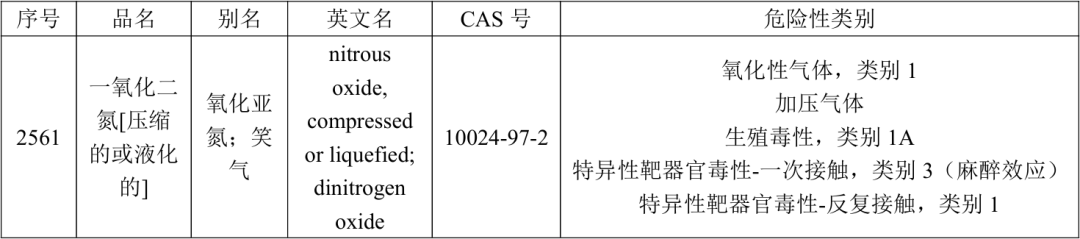
Nitrous Oxide (N₂O), CAS No. 10024-97-2, is a colorless gas with a slightly sweet odor at room temperature. While it has legitimate and widespread applications—serving as a propellant in food processing (e.g., whipped cream chargers), an anesthetic in medicine, and a key electronic gas in semiconductor manufacturing—its misuse as an inhalant for euphoric effects poses significant public health risks. It is crucial to distinguish its legal industrial use from illegal recreational abuse.
2. Regulatory Classification: It's a Dangerous Good
For logistics and transportation purposes, understanding its official classification is paramount:
- In China: Nitrous Oxide is listed in the Catalog of Hazardous Chemicals (2015 Edition). Its production, operation, and storage require appropriate licenses, and Safety Data Sheets (SDS), along with GHS labels, are mandatory.
- For International Transport: According to the UN Model Regulations on the Transport of Dangerous Goods, Nitrous Oxide is classified as:
- UN 1070, NITROUS OXIDE: Class 2.2 (Non-flammable, non-toxic gas), Subsidiary Risk 5.1 (Oxidizing agent).
- UN 2201, NITROUS OXIDE, REFRIGERATED LIQUID: Class 2.2, Subsidiary Risk 5.1.
- UN 2037, GASES, COMPRESSED OR LIQUEFIED, N.O.S.: Applies to smaller receptacles like cartridges.
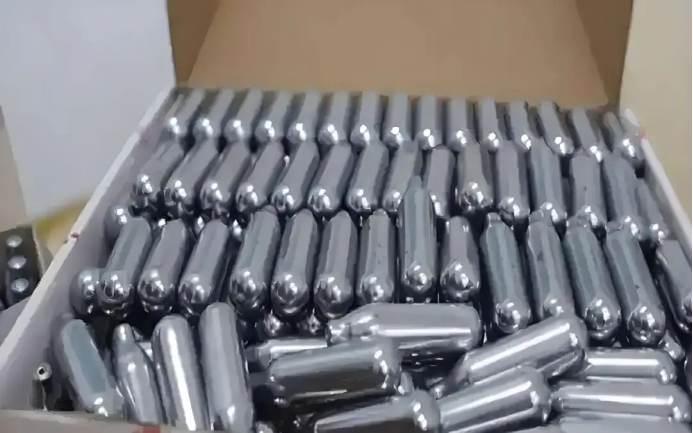
Critical Note for Shippers: Small, non-refillable metallic cartridges (under 50 mL) may qualify for limited quantity exemptions per Special Provision 191. However, this does not exempt them from hazardous chemical management laws in China. Proper declaration is always required.
3. Hazards and Risks in the Supply Chain
From a logistics perspective, the primary risks focus on physical and chemical hazards:
- Oxidizing Gas (Risk 5.1): While non-flammable, it can vigorously support and intensify combustion of other materials.
- Pressurized Gas (Class 2.2): Cylinders can explode if exposed to heat or damaged, potentially becoming lethal projectiles.
- Health Hazards: In confined spaces like containers, leaks can lead to asphyxiation. Contact with refrigerated liquid can cause severe frostbite.
- Misdeclaration & Smuggling: Intentionally misdeclaring cargo to evade regulations is illegal and endangers the entire logistics chain.
4. Safe Transport & Compliance: Our Role as Your Partner
Ensuring safe and legal transport is a shared responsibility involving:
- Accurate Documentation: Providing a certified Safety Data Sheet (SDS) and correct Dangerous Goods Declaration (DGD).
- Certified Packaging: Using UN-specification packaging that has passed performance tests, including proper valves and securing measures.
- Marking & Labeling: Packages must exhibit the correct Class 2.2 and 5.1 hazard labels.
- Expert Handling: Choosing a certified freight forwarder (like us) to ensure the cargo is booked and stowed according to IMDG or IATA DGR regulations.
5. Legal Consequences of Non-Compliance
In China, the illegal transportation of Nitrous Oxide as a hazardous chemical is an offense under Criminal Law and the Regulations on the Safe Management of Hazardous Chemicals. Penalties include fines, administrative detention, and criminal prosecution. For international buyers, misdeclaration can lead to customs seizures and significant civil liability.
Conclusion
Nitrous Oxide is a valuable industrial chemical that must be respected for its inherent dangers. Its safe transport hinges on transparency and strict adherence to global regulations. As your logistics expert in China, we advise prioritizing compliance and safety. Please consult with our dangerous goods specialists for your next shipment.
Disclaimer: This document is a professional summary for informational purposes. For definitive guidance, always consult the latest edition of the IMDG Code/IATA DGR and relevant competent authorities.