
Critical Safety Alert: Revised Regulations for Shipping Charcoal Products (IMDG Code Amendment 42-24, Effective 2026)
—— A Focus on Shipping Charcoal Products from China
This advisory is issued to inform the global supply chain of significant upcoming regulatory changes concerning the maritime transportation of charcoal products. As a leading international freight forwarder based in Shenzhen, China, we are committed to ensuring the safety and compliance of your shipments. The following outlines the key hazards, historical incidents, and mandatory new requirements set to take effect on January 1, 2026.
1. Understanding the Cargo: Charcoal Classification and Inherent Risks
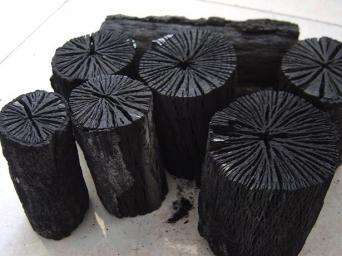
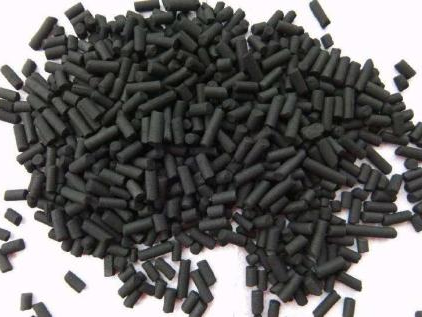
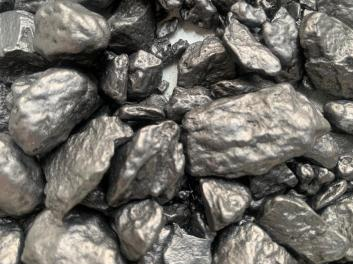
Charcoal shipments are primarily categorized into three types, all of which pose a spontaneous combustion risk (Class 4.2) during transportation:
- Charcoal of animal or vegetable origin (UN 1361): Includes charcoal, carbon black, and similar materials derived from organic sources like wood, bamboo, coconut shells, bone, etc.
- Activated carbon (UN 1362): A highly porous form of carbon processed for adsorption.
- Charcoal of mineral origin: Such as coke, petroleum coke, and graphite (may be shipped as non-hazardous under specific conditions).
Historical data underscores the severe risk. Between 2015 and 2022, over 68 fire incidents involving charcoal cargoes were recorded, often linked to misdeclaration. Notable examples include container ship fires in 2015, 2016, and 2019, where improperly declared charcoal from Southeast Asia was the ignition source.
2. The Regulatory Shift: Key Changes in IMDG Code Amendment 42-24
In response to these incidents, the International Maritime Organization (IMO) has substantially revised the International Maritime Dangerous Goods (IMDG) Code. The amendments, part of the IMDG Code Amendment 42-24, introduce stricter controls. Below is a summary of the new mandatory entries effective January 1, 2026:
| UN Number | Proper Shipping Name | Class | Packing Group | Special Provision | Stowage & Handling | Segregation |
|---|---|---|---|---|---|---|
| 1361 | CHARCOAL, animal or vegetable origin | 4.2 | II | 978 | Stowage Category A, SW1, SW27, H2 | - |
| 1361 | CHARCOAL, animal or vegetable origin | 4.2 | III | 978 | Stowage Category A, SW1, SW27, H2 | - |
| 1362 | CARBON, activated | 4.2 | III | 979 | Stowage Category A, SW1, SW27, H2 | - |
Major Enhancements for UN 1361 (Animal/Vegetable Charcoal) - Special Provision 978:
- Conditioning is Mandatory: Post-production, unpackaged material must be weathered for at least 14 days (sheltered but in open air) before packing. Alternatively, it must be cooled and packaged in an inert gas (e.g., nitrogen) atmosphere, followed by storage under loose covers or in open air for at least 24 hours prior to shipment.
- Temperature Control: Packaging can only occur on the day the material temperature is 40°C or below.
- CTU (Cargo Transport Unit) Stowage Rules: A minimum 30 cm top space must be maintained inside the container. Furthermore:
- Package stacking height must not exceed 1.5 meters, OR
- For packages larger than 16 m³, a minimum 15 cm gap between packages is required.
Clarifications for UN 1362 (Activated Carbon) - Special Provision 979:
The regulations do not apply to steam-activated carbon (with a shipper's declaration) or to chemically activated carbon that is accompanied by a competent authority-approved test certificate proving a negative result for the self-heating test (UN Test N.4, Manual of Tests and Criteria, 33.4.6).
New Operational & Monitoring Requirement - Special Stowage Provision 7.6.2.7.2.1:
For loosely packed cargo, vessels must now:
- Record temperature three times daily during the voyage.
- If cargo temperature exceeds 55°C and continues to rise, restrict ventilation to the hold. If self-heating persists, be prepared to administer CO2 or inert gas. Consequently, ships must be equipped with the necessary equipment for such an intervention.
- Stow cargo "away from sources of heat."
3. Action Required for Compliant Shipments Post-2026
The 2026 amendments represent a significant tightening of the regulatory framework. To ensure seamless and safe operations, all supply chain partners must prepare:
- Shippers/Exporters: Ensure full compliance with the new conditioning, packaging, and documentation requirements. Secure necessary test certificates from accredited laboratories (e.g., Shanghai Research Institute of Chemical Industry Testing Co., Ltd.) well in advance.
- Freight Forwarders & NVOs: Update booking and documentation checklists. Enhance due diligence to verify shipper declarations and supporting certificates for charcoal shipments.
- Carriers (Shipping Lines): Implement updated stowage planning and monitoring procedures as per the new special stowage provision. Ensure vessel readiness for in-transit temperature management and emergency response.
Conclusion
The revised IMDG Code provisions for charcoal are a direct and necessary response to real-world casualties. Proactive adaptation is not merely a regulatory formality but a critical component of risk management. We strongly advise all parties involved in the procurement and logistics of charcoal and similar products to immediately review their processes, initiate training, and engage with testing laboratories to facilitate a smooth transition to the 2026 standards.
Disclaimer: This document is a professional summary for informational purposes. It is not a substitute for the official IMDG Code or legal advice. For definitive guidance, always consult the latest edition of the IMDG Code and relevant competent authorities.