
A Practical Guide for Shippers: Understanding Dangerous Goods Labels and GHS Pictograms in International Shipping
Introduction
For international buyers sourcing products from China, navigating the complexities of logistics, especially for goods classified as hazardous, is crucial. Items as common as lighters, hair dyes, disinfectants, and insecticides are not just everyday commodities—they are regulated as Dangerous Goods (DG) or Hazardous Chemicals. Their transportation by sea or air is strictly governed by international regulations to ensure safety. A key element of compliance is the correct application of warning labels. This guide, from the perspective of international logistics, clarifies the two primary labeling systems you will encounter: Dangerous Goods Transport Labels and Globally Harmonized System (GHS) Safety Pictograms.
Part 1: Dangerous Goods Transport Labels (For Logistics & Transportation)
What are Dangerous Goods?
Dangerous Goods are substances or articles that pose a risk to health, safety, property, or the environment due to their explosive, flammable, toxic, infectious, corrosive, or radioactive properties. They require special precautions during transport, handling, and storage.
Classification and Labeling (Based on UN TDG):
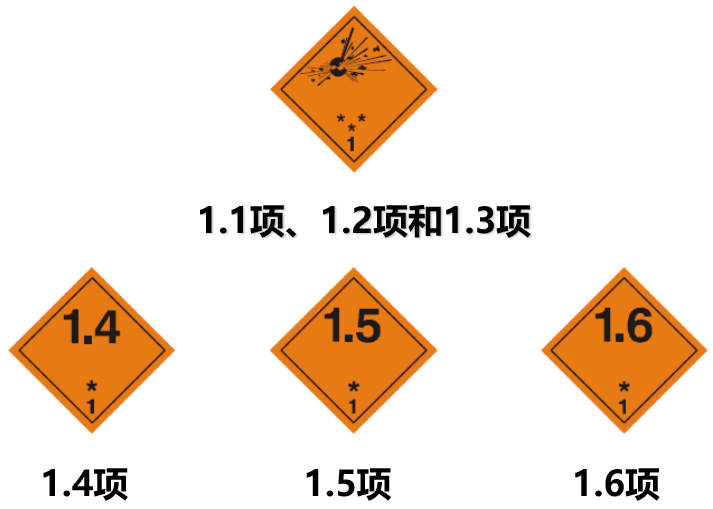
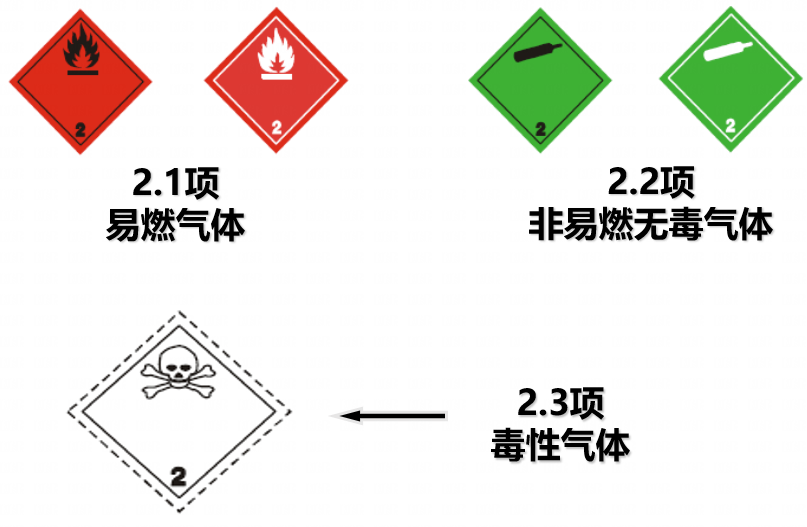
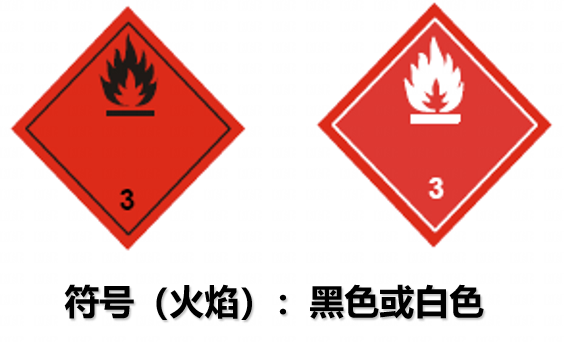
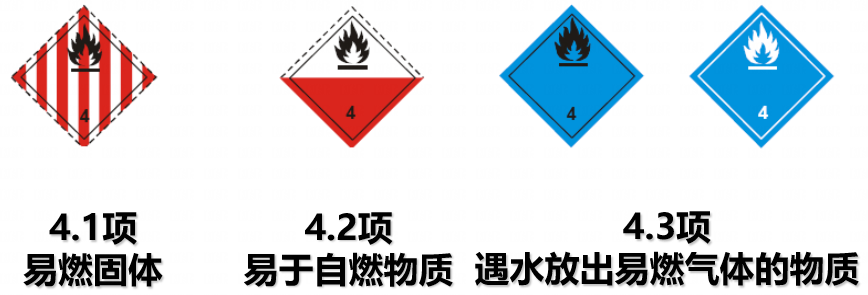
The United Nations Recommendations on the Transport of Dangerous Goods (UN TDG) serves as the global foundation. Dangerous Goods for transport are divided into 9 classes, with some classes having subdivisions. The corresponding diamond-shaped transport label must display the class number and, where applicable, the division number.
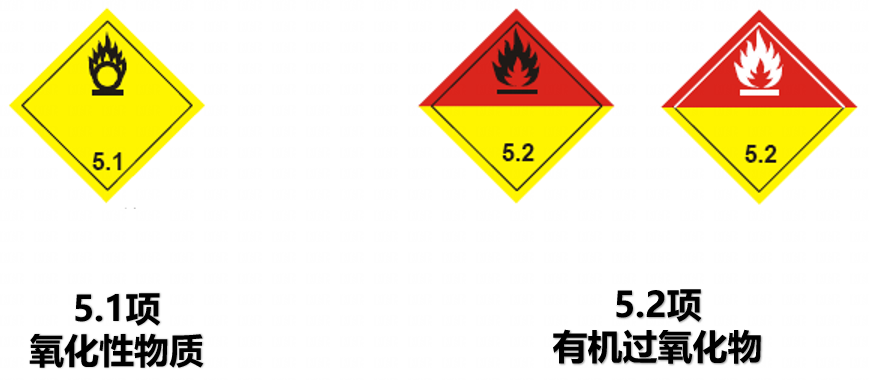
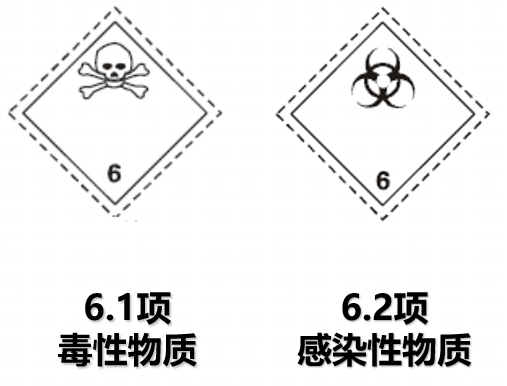
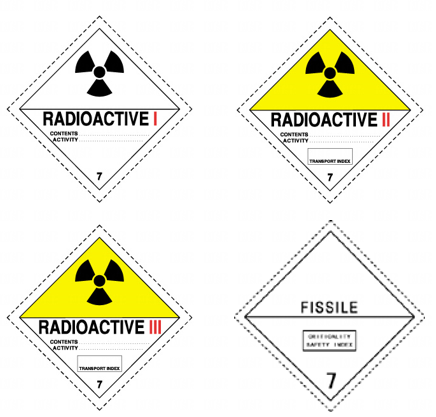
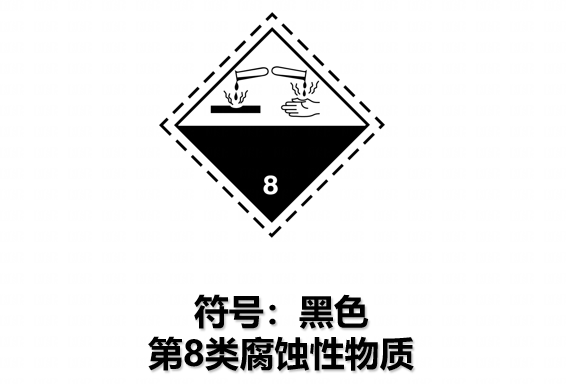
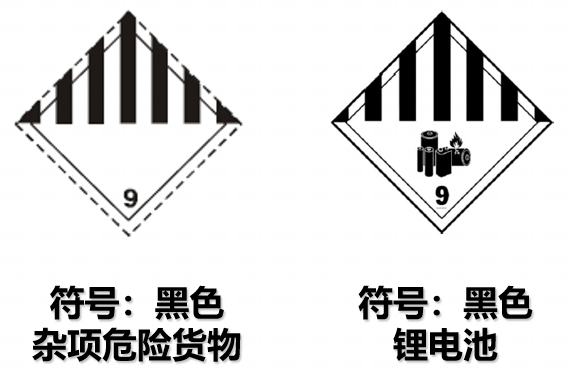
| Class | Hazard | Key Examples / Notes |
|---|---|---|
| Class 1 | Explosives | 1.1-1.6 (Mass explosion hazard, projection hazard, etc.) |
| Class 2 | Gases | 2.1 Flammable Gas, 2.2 Non-Flammable, Non-Toxic Gas, 2.3 Toxic Gas |
| Class 3 | Flammable Liquids | e.g., alcohols, solvents, paints |
| Class 4 | Flammable Solids; Substances Liable to Spontaneous Combustion; Substances which, in Contact with Water, Emit Flammable Gases | 4.1 Flammable Solids, 4.2 Spontaneously Combustible, 4.3 Dangerous When Wet |
| Class 5 | Oxidizing Substances and Organic Peroxides | 5.1 Oxidizers, 5.2 Organic Peroxides |
| Class 6 | Toxic and Infectious Substances | 6.1 Toxic Substances, 6.2 Infectious Substances |
| Class 7 | Radioactive Material | |
| Class 8 | Corrosive Substances | e.g., acids, alkalis, batteries |
| Class 9 | Miscellaneous Dangerous Substances and Articles | Includes environmentally hazardous substances, lithium batteries, magnetized materials |
These labels are typically diamond-shaped, with a color-coded background (often red, but varies by class), a black or white symbol, and crucially, the class number (e.g., "3", "5.1", "8") displayed in the bottom corner.
Part 2: GHS Safety Pictograms (For Hazard Communication)
What are Hazardous Chemicals?
Hazardous Chemicals, as defined for supply, workplace safety, and hazard communication, refer to any chemical that has the potential to cause physical or health harm. The Globally Harmonized System of Classification and Labelling of Chemicals (GHS) standardizes how these hazards are communicated worldwide, including on Safety Data Sheets (SDS) and product packaging.
GHS Pictograms:
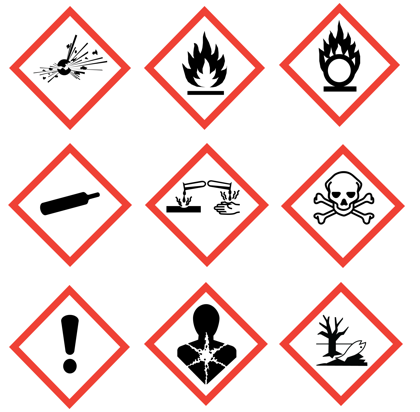
These are standardized symbols inside a red diamond-shaped border on a white background. They communicate specific types of hazards, such as flammability, toxicity, or corrosion. There are 9 GHS pictograms, such as the flame for flammables, the skull and crossbones for acute toxicity, and the corroding hand for corrosives.
Key Differences: Why Both Might Appear on Your Shipment
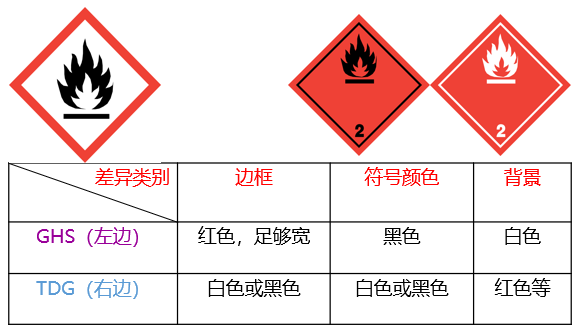
It is common for a product to require both types of labels. For example, a drum of flammable solvent will have a GHS "Flame" pictogram on its packaging for hazard communication and a Class 3 "Flammable Liquid" diamond-shaped transport label for logistics.
| Feature | Dangerous Goods Transport Label (UN TDG) | GHS Safety Pictogram (GHS) |
|---|---|---|
| Primary Purpose | Safe Transportation (sea, air, road, rail) | Hazard Communication (workplace safety, consumer information) |
| Governing Standard | UN Model Regulations (TDG) / IATA DGR / IMDG Code | UN GHS (Implemented via local regulations like OSHA HazCom) |
| Key Visual Identifier | Class/Division Number in the bottom corner (e.g., "2.1", "8") | Red diamond border, black symbol, white background. NO number. |
| Typical Appearance | Diamond shape, varied background colors (red, yellow, blue, etc.), black/white symbol. | Diamond shape, red border, black symbol, white background. |
| Example: Flammable Gas | Label with flame symbol, red background, and the number "2.1" at the bottom. | Pictogram with flame symbol inside a red-bordered diamond (no number). |
Why This Matters for International Buyers
- Ensures Regulatory Compliance: Using the correct labels is a legal requirement. Incorrect labeling can lead to shipment rejection, delays, fines, or even seizures at ports of origin, transit, or destination.
- Guarantees Safe Handling: These labels provide immediate visual warnings to all supply chain personnel—from warehouse packers and forklift drivers to vessel crew and airport ground staff—ensuring your goods are handled appropriately.
- Facilitates Smooth Logistics: Properly declared and labeled shipments move through the complex web of international freight forwarding, customs brokerage, and carrier acceptance much more efficiently.
- Mitigates Risk: Correct hazard communication is fundamental to preventing accidents, protecting people and assets, and maintaining the integrity of your supply chain.
Conclusion
When procuring goods from China, understanding that a "dangerous goods label" on a shipping container and a "GHS pictogram" on a product package serve complementary but distinct purposes is key. The TDG label (with its number) is your visual guarantee that the product has been classified and prepared for safe international transport. The GHS pictogram (with its red border) communicates the inherent hazards of the chemical itself. A reputable freight forwarder and supplier will ensure both are correctly applied, safeguarding your shipment's journey from factory to final destination.