
Safeguarding the Transport of Thallium and Its Compounds: Critical Considerations for International Logistics
—— A Focus on Shipping Thallium from China
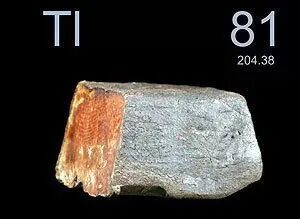
As an international freight forwarder based in Shenzhen, China, we recognize the complexity and critical importance of chemical and dangerous goods transportation within global supply chains. This article focuses on the regulatory requirements for transporting the rare metal thallium (Tl) and its compounds. Our aim is to assist international buyers and partners in understanding the associated risks and ensuring that all logistics activities comply with international safety standards.
1. Key Properties and Transportation Risks of Thallium
Thallium is a rare metallic element. Its compounds—including thallium sulfate, thallium nitrate, and thallium carbonate—are typically highly toxic, colorless, odorless, and water-soluble. Historically used in rodenticides, most countries now strictly regulate or prohibit their use. In transportation, thallium compounds are classified as highly toxic substances and must be handled in strict accordance with dangerous goods regulations.
2. International Transport Classification and Compliance Requirements
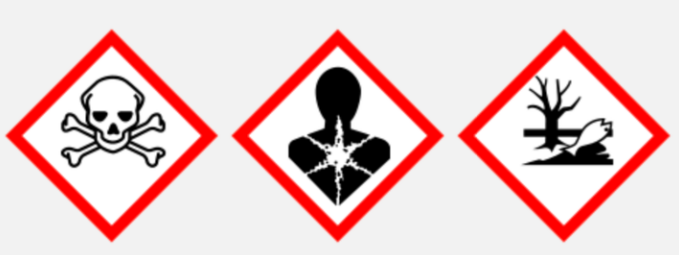
Thallium compounds are generally classified under UN 1707 (Class 6.1, Toxic Substances) for transport. Shipments are strictly governed by the International Maritime Dangerous Goods (IMDG) Code and the IATA Dangerous Goods Regulations (DGR). Key compliance considerations include:
- Packaging and Marking: Certified dangerous goods packaging is mandatory, with clear "Toxic" labels and UN numbers displayed.
- Documentation: Accurate transport documents, Safety Data Sheets (SDS), and packaging compliance certificates must accompany shipments.
- Storage and Handling: Compounds should be stored in sealed containers, isolated from foodstuffs and general cargo.
3. Mode Selection: Sea Freight vs. Air Freight
- Sea Freight: Suitable for larger quantities, but requires strict adherence to IMDG Code stowage and segregation rules (e.g., away from food items).
- Air Freight: Subject to stringent IATA DGR restrictions; typically permitted only in limited quantities and must be pre-approved by the airline.
4. Historical Incidents and Lessons Learned
Numerous cases of thallium poisoning worldwide—including mass poisoning incidents in China (2002) and criminal poisoning cases in the United States (2005)—highlight the severe consequences of improper handling or transportation. These cases underscore that compliance is the foundation of risk mitigation.
5. Recommendations for International Buyers
- Supply Chain Due Diligence: Verify that suppliers hold proper licenses for manufacturing and transporting hazardous chemicals.
- Documentation Review: Require complete SDS, transport declarations, and packaging compliance certificates.
- Specialized Logistics Support: Partner with experienced dangerous goods freight forwarders to ensure end-to-end regulatory compliance.
- Emergency Preparedness: Be familiar with symptoms of thallium poisoning (e.g., severe pain, hair loss) and basic emergency response procedures.
6. Our Professional Services
As a leading international freight forwarder in China, we provide:
- Dangerous goods transport planning and compliance consulting
- IMDG / IATA regulatory guidance and documentation review
- Global logistics support covering customs clearance, ocean freight, air freight, and warehousing
Conclusion
Transporting thallium compounds demands specialized expertise and meticulous operational discipline. We urge global partners to prioritize chemical safety, ensuring supply chain reliability and security through compliant practices and professional collaboration.
For further inquiries, please contact our Dangerous Goods Department.