
A Vital Lesson in Safety: Understanding the GHS Hazard Communication Label for Your Chemical Shipments from China
An Expert Guide for International Buyers and Logistics Professionals
Introduction: A Preventable Tragedy and a Universal Responsibility
In June 2022, a catastrophic fire and explosion at a container depot in Chattogram, Bangladesh, claimed at least 49 lives, injured hundreds, and destroyed over a thousand shipping containers. A key finding in the investigation was that mislabeled containers of hydrogen peroxide (H₂O₂) led firefighters to apply water instead of foam, causing a violent chemical explosion.
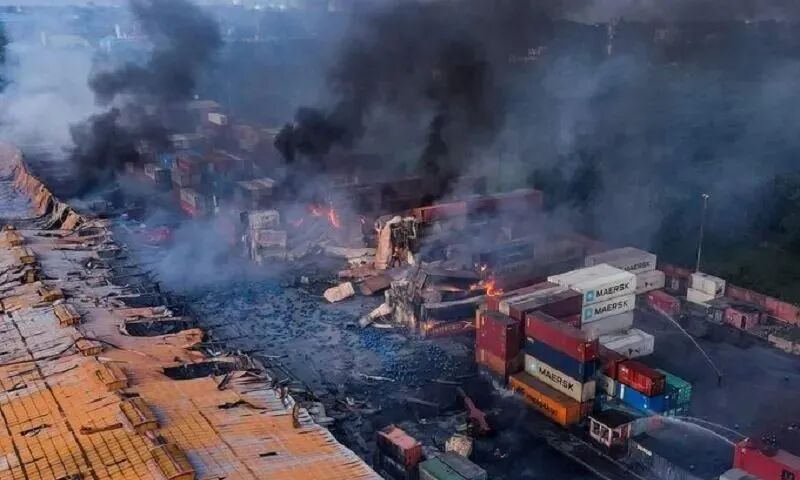
This tragedy underscores a critical, non-negotiable pillar of global supply chain safety: the correct identification and communication of chemical hazards throughout the logistics journey. The incident vividly illustrates that a simple error on a package—a missing or incorrect hazard label—can have catastrophic consequences for port workers, freight handlers, transport personnel, and the public.
As an international freight forwarder based in Shenzhen, China, a global manufacturing and export hub, we emphasize to all our clients: Ensuring your chemical products are correctly classified, packaged, marked, and labeled is not just a regulatory "checkbox"—it is a fundamental duty of care.
The Chemical's Passport: The GHS Hazard Label
At the heart of this safety system is the Globally Harmonized System of Classification and Labelling of Chemicals (GHS) label, often called the hazard communication label or safety data sheet (SDS) label. This label is the primary means of hazard communication on the immediate container or package. It is a legal and practical requirement designed to be universally understood, transcending language barriers through standardized pictograms and phrases.
Key Mandatory Requirements in China
For any chemical shipment originating from China, compliance is enforced by law:
- The "Regulations on the Safe Management of Dangerous Chemicals" (State Council Decree 591) mandates GHS labeling.
- General Administration of Customs Announcement No. 129 of 2020 and other regulations enforce labeling requirements for import/export, chemical registration, and new substance notification.
- National standards such as GB 15258-2009 and the GB 30000 series provide the technical specifications for label creation, aligned with the UN GHS.
Decoding the GHS Label: Six Essential Elements
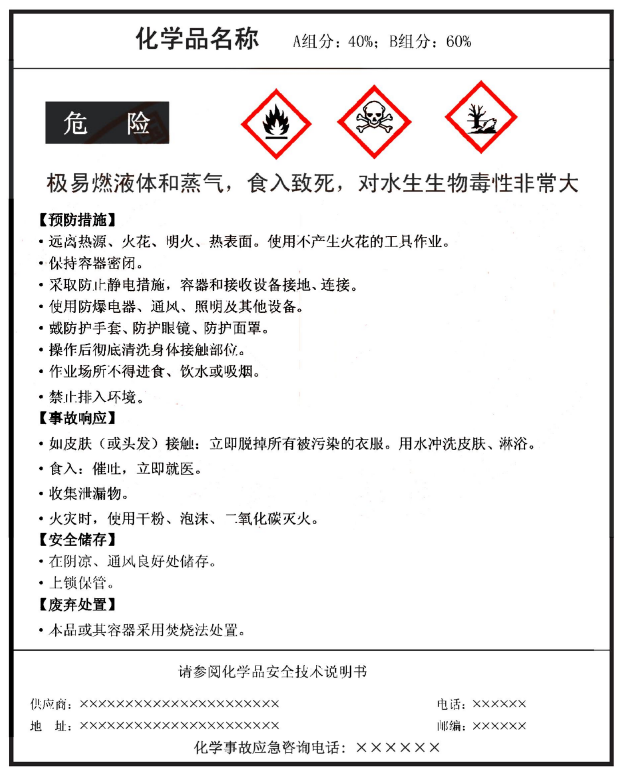
A compliant GHS label must contain the following six elements:
- Product Identifier: The chemical name(s). For mixtures, the hazardous ingredient(s) contributing to classification and their concentration ranges must be listed.
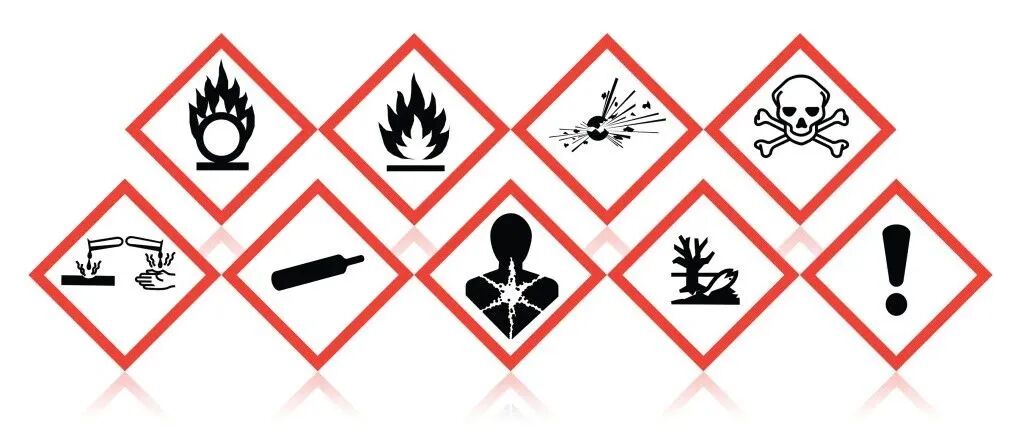
- Pictogram(s): A red diamond with a black hazard symbol on a white background. There are nine standard pictograms (e.g., flame, skull and crossbones, corrosion, environment) that provide an instant visual warning of the primary hazard(s).
- Signal Word: Indicates the relative level of severity. "Danger" is used for more severe hazards, and "Warning" for less severe hazards.
- Hazard Statement(s): Standardized phrases assigned to a hazard class and category (e.g., "Highly Flammable Liquid and Vapor," "Fatal if Swallowed," "Causes Severe Skin Burns").
- Precautionary Statement(s): Phrases describing recommended measures to minimize or prevent adverse effects. These are grouped into four categories: Prevention, Response (first aid, firefighting, spill), Storage, and Disposal.
- Supplier Identification: The name, address, and phone number of the manufacturer or supplier. Critically, a 24-hour emergency contact phone number for chemical accident advice must be provided.
Practical Application in International Transport
Integration with Transport Labels: For shipping, the GHS label is used in conjunction with transport-specific marks and labels (e.g., UN number, Proper Shipping Name, hazard class labels as per IMDG Code for sea or IATA DGR for air). These can be placed on the same or an adjacent side of the package. If a pictogram conveys the same hazard as the transport label, it may be omitted from the GHS label to avoid duplication.
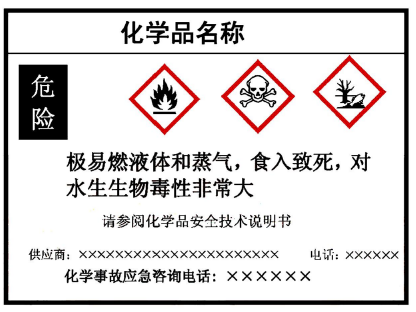
Label Simplification for Small Packages: For inner receptacles of 100 mL or less, a simplified label is permitted, but it must retain the core elements: Product Identifier, Pictogram, Signal Word, Hazard Statement, and the 24-hour emergency contact number.
A Call to Action for Global Buyers
When sourcing chemicals or products containing hazardous substances from China (or anywhere), you share the responsibility for safe transport. Here is your due diligence checklist:
- Demand Compliance: Require your supplier to provide a compliant GHS label (in English and/or the destination country's language) and a corresponding, accurate Safety Data Sheet (SDS) before shipment.
- Verify Accuracy: Cross-check the information on the label and SDS. Ensure the hazards described match your knowledge of the product.
- Choose Qualified Partners: Work with freight forwarders and logistics providers who are knowledgeable in dangerous goods regulations (IMDG, IATA, ADR). We ensure that the documentation, packaging, marking, and labeling meet all international and local requirements for the entire journey.
- Understand the Labels: Familiarize yourself with the GHS pictograms and key hazard statements. This knowledge is crucial for safe handling in your own facilities.
Conclusion
The GHS label is far more than a regulatory sticker. It is the universal passport for chemical safety, a critical communication tool that protects lives, property, and the environment at every node of the global supply chain—from the factory floor in China to the warehouse shelf overseas. The lesson from Chattogram is clear: investing in correct hazard communication is the foundation of responsible logistics and ethical trade.
For questions regarding the classification, labeling, or safe international transport of your chemical shipments, please consult with a qualified dangerous goods safety advisor or your logistics partner.