
Navigating Global Trade: A Guide to Safe and Compliant Chemical & Dangerous Goods Shipping from China
Understanding the International Frameworks That Govern Your Cargo
As a leading international freight forwarder based in Shenzhen, China, we understand that sourcing products from China involves navigating complex logistics, especially when transporting chemicals and dangerous goods. Ensuring the safety of your supply chain, protecting the environment, and maintaining regulatory compliance are paramount. This article provides an overview of the critical international rules that govern the ocean and air transportation of such materials, offering you, the global buyer, the confidence that your cargo is handled correctly from origin to destination.
The Bedrock of Safety: The IMDG Code and Its Evolution
Prior to the mid-20th century, transporting dangerous goods by sea was fraught with inconsistency. Individual nations had their own, often conflicting, regulations regarding classification, packaging, labeling, and stowage. This patchwork of rules created significant risks and inefficiencies for global trade.
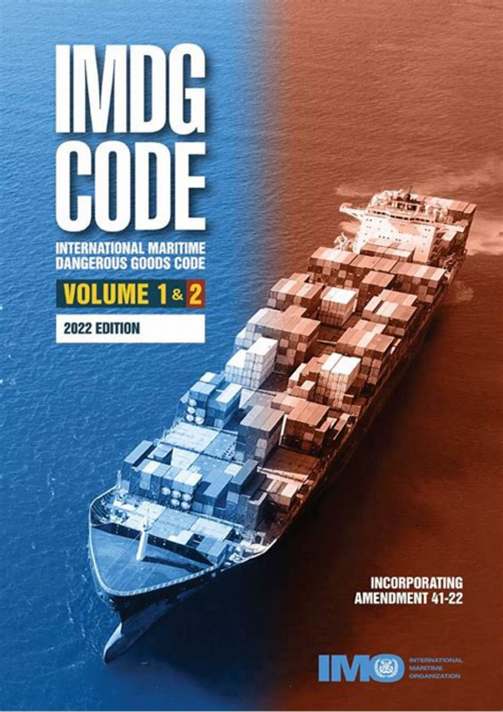
The turning point came with the establishment of the International Maritime Dangerous Goods (IMDG) Code. Developed under the auspices of the International Maritime Organization (IMO), the IMDG Code was first published in 1965. Its creation was the culmination of decades of international collaboration, initiated by SOLAS (Safety of Life at Sea) conferences and informed by the work of the United Nations Committee of Experts on the Transport of Dangerous Goods.
Why the IMDG Code Matters for Your Shipments:
- Universal Standard: It provides a single, harmonized set of rules for classifying, packing, marking, labeling, documenting, and stowing dangerous goods for sea transport. This uniformity is crucial for safety and smooth port operations worldwide.
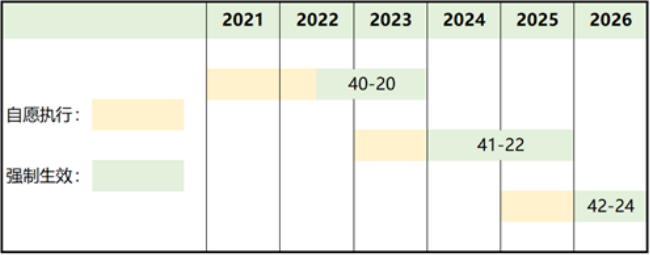
- Dynamic Updates: The IMDG Code is not static. It is revised and updated biennially to incorporate the latest scientific, technical, and safety developments. For instance, Amendment 41-22 of the Code was voluntary from January 1, 2023, and became mandatory on January 1, 2024. Staying current with these amendments is a non-negotiable aspect of professional logistics.
- Dual Purpose: The Code aims not only to enhance safety, facilitating the free and unrestricted movement of dangerous goods, but also to prevent marine pollution. Many substances listed are classified as "Marine Pollutants."
Understanding the 9 Hazard Classes
The IMDG Code systematically categorizes dangerous goods into nine primary classes, some of which are further subdivided. This classification is the first and most critical step in determining how a substance must be handled. The sequence does not indicate the degree of danger.
- Class 1: Explosives
- Class 2: Gases (Flammable, Non-flammable/non-toxic, Toxic)
- Class 3: Flammable Liquids
- Class 4: Flammable Solids; Substances Liable to Spontaneous Combustion; Substances which, in contact with water, emit Flammable Gases
- Class 5: Oxidizing Substances and Organic Peroxides
- Class 6: Toxic and Infectious Substances
- Class 7: Radioactive Material
- Class 8: Corrosive Substances
- Class 9: Miscellaneous Dangerous Substances and Articles
The Critical Role of Professional Classification in China
Before any dangerous good can be shipped, it must be professionally classified and identified according to these international criteria. In China, accredited institutions like the Shanghai Research Institute of Chemical Industry Testing Co., Ltd. (SICIT) play a vital role. As a pioneer in this field, SICIT provides authoritative dangerous goods classification and identification reports for all modes of transport—sea, air, road, and rail. These reports are mandatory for preparing accurate shipping declarations, safety data sheets (SDS), and ensuring compliant packaging.
Partnering for a Secure Supply Chain
Navigating the complexities of the IMDG Code, its amendments, and the required pre-shipment documentation requires expertise. As your logistics partner in China, we ensure that every chemical or dangerous goods shipment is managed with precision—from obtaining the correct classification report to arranging for certified packaging, proper documentation, and booking with carriers that accept such cargo.
Understanding these international frameworks is the first step toward a resilient and compliant supply chain. When you partner with a knowledgeable forwarder, you transform regulatory complexity from a barrier into a benchmark of reliability and safety.