
Self-Heating Substances: A Shipper's Guide to Compliance
Introduction
To our valued international buyers sourcing goods from China,
Ensuring that chemical products, pigments, and specialty raw materials comply with international transport safety regulations is paramount. Among various hazards, self-heating substances represent a common yet frequently overlooked risk in ocean and air freight. If mishandled, they can spontaneously ignite during transit, leading to severe safety incidents and significant financial loss. This guide explains how to identify self-heating materials, the associated testing requirements, and the compliance process to facilitate smoother and safer export preparations with your suppliers and freight forwarders.
1. What are Self-Heating Substances? Why Do They Matter?
Self-heating substances and mixtures (UN Class 4.2) are solids or liquids that, in contact with air and without an external energy supply, are liable to self-heat and may eventually ignite.
Common procured items that may pose this risk include:
- Pigments: e.g., Pigment Yellow 12, Pigment Red 57:1, Phthalocyanine Green G.
- Chemical Raw Materials: e.g., Thiourea dioxide, Sodium dithionite (Hydrosulfite).
- Agricultural Products & Derivatives: e.g., Cocoa powder.
- Carbonaceous Materials: e.g., Activated carbon, Bamboo charcoal, Carbon black, Charcoal.
- Metal Compounds & Formulations: e.g., Iron oxide black, and pesticide formulations like Mancozeb.
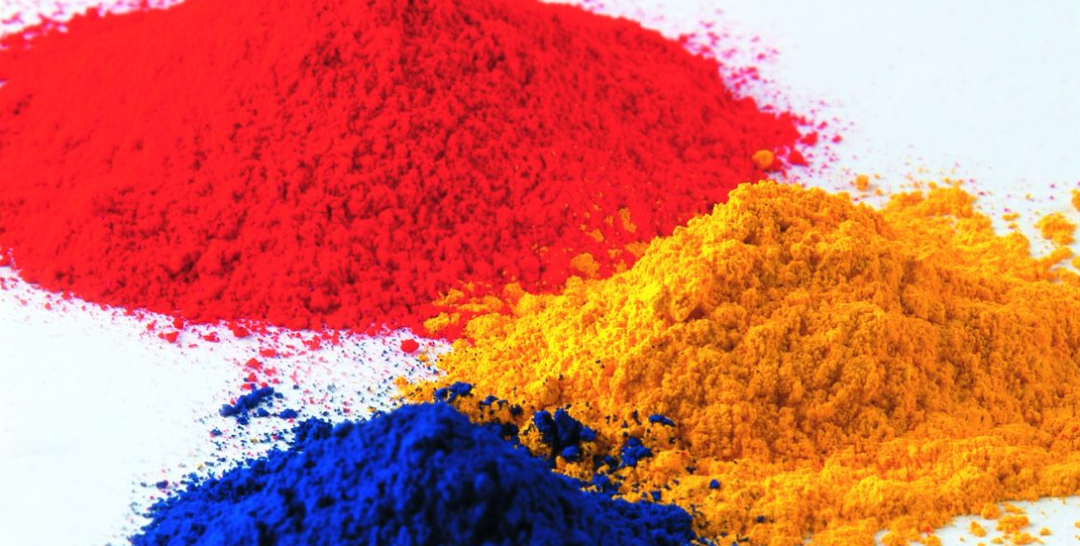
Professional laboratory testing is mandatory prior to shipment to determine if a substance meets the Class 4.2 criteria, which dictates its packaging, stowage, and documentation requirements.
2. Determining the Hazard: The Core Testing Protocol
The classification of a substance as self-heating relies on scientific testing by accredited laboratories. The key process and criteria are:
- Test Trigger: During the preliminary screening for a Transportation Condition Identification Report (a critical document for dangerous goods declaration in China), if a sample exhibits sustained glowing/incandescence and significant smoke upon contact with an open flame, it indicates a potential self-heating propensity. This mandates a formal "Self-Heating Test."
- Formal Self-Heating Test & Criteria: The sample is monitored under controlled laboratory conditions for 24 hours. A positive result (confirming the hazard) is obtained if either of the following occurs:
- Spontaneous ignition occurs.
- The sample temperature exceeds the oven temperature by 60°C (140°F) or more.
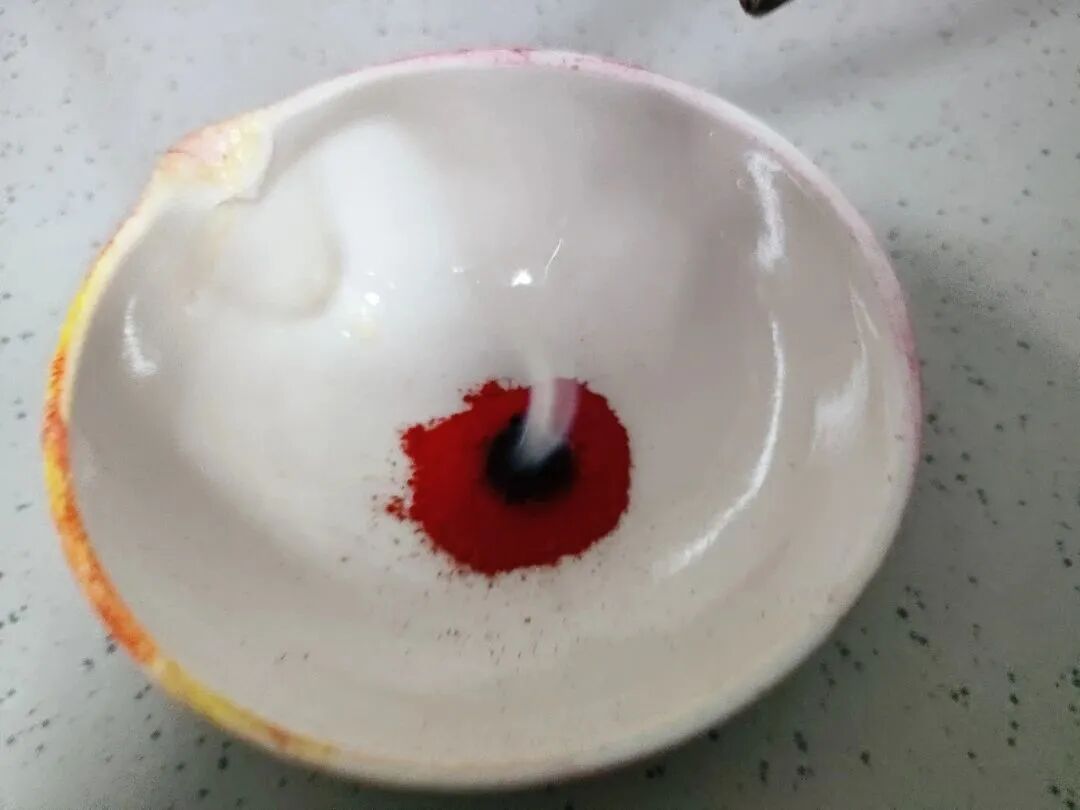
A positive classification requires the goods to be shipped as Class 4.2 dangerous goods, using appropriate UN specification packaging, marks, labels, and with proper declaration on transport documents (e.g., the Shipper's Declaration for Dangerous Goods for ocean or air freight).
3. Two Pathways to Compliance: Stand-alone Test Report vs. Comprehensive Identification Report
In China, accredited third-party labs (e.g., Shanghai Research Institute of Chemical Industry Testing Co., Ltd. - SICIT) offer two key services:
Stand-alone Self-Heating Test Report
- Nature: An independent test report accredited under CMA and CNAS (internationally recognized standards).
- Content: It provides detailed temperature data and a temperature profile graph from the test, serving as direct technical proof of the substance's properties.
- Use Case: When the carrier (shipping line/airline) or destination port authorities specifically request a dedicated test report for self-heating properties. Such reports are generally valid indefinitely, provided the underlying regulations remain unchanged.
- Application Process: The shipper (supplier) must download, complete, and stamp the lab's application form, then ship it with a sufficient sample to the lab.
Transportation Condition Identification Report & Additional Testing
- Nature: This is a comprehensive report that evaluates the overall transport safety of goods (covering all hazards: explosivity, flammability, corrosivity, toxicity, self-heating, etc.) against international codes like the IMDG Code (sea) and IATA DGR (air). It is the foundational document for exporting dangerous goods.
- "Additional Test" Process: During the application for this report, if preliminary screening suggests a self-heating risk, the lab will proactively contact the applicant to recommend adding the self-heating test. The applicant confirms this via an online portal. The final conclusion regarding Class 4.2 hazard is explicitly stated in the issued report.
- Use Case: This is the standard and most comprehensive compliance step prior to exporting chemicals or unknown substances, widely accepted by forwarders, carriers, and port authorities.
4. Actionable Advice for International Buyers
- Verify at Source: When ordering potentially hazardous materials from Chinese suppliers, specify in contracts or RFQs that the supplier must provide a current, valid Transportation Condition Identification Report.
- Plan Ahead: Urge your supplier to engage an accredited lab well in advance (at least 2-3 weeks before planned shipment) to avoid delays due to testing lead times.
- Sample Preparation: For either test type, a 1-liter sample is typically required. If the material has a known history of self-heating, providing a 3-liter sample is recommended.
- Document Review: Upon receiving the report, review it with your freight forwarder to ensure the conclusions are clear, the validity period covers the transport duration, and it aligns with the current edition of the relevant transport regulations (IMDG/IATA).