
Industry Advisory: Safe and Compliant Transport of Sodium Hypochlorite Solutions (e.g., 84 Disinfectant) from China
—— A Focus on Shipping Sodium Hypochlorite from China
To: All International Purchasers, Supply Chain Partners, and the Public
This advisory provides critical information regarding the transportation of sodium hypochlorite solutions (commonly marketed as "84 Disinfectant") sourced from China. In light of their classification as Hazardous Materials ("Dangerous Goods"), compliance with international regulations is mandatory for safe and lawful shipment.
1. Regulatory Classification: A Defined Hazard
Per the United Nations Model Regulations and the Chinese national standard GB 12268-2012, sodium hypochlorite solutions are unequivocally classified for transport as follows:
| Classification Element | Details |
|---|---|
| Proper Shipping Name | SODIUM HYPOCHLORITE SOLUTION |
| UN Identification Number | UN 1791 |
| Hazard Class/Division | 8 (Corrosive) |
| Packing Group | II or III (depending on concentration) |
This classification governs all modes of international transport, including ocean freight (regulated by the IMDG Code) and air freight (regulated by the IATA Dangerous Goods Regulations).
2. Hazard Justification: Corrosivity
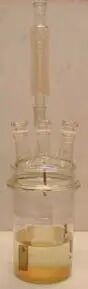
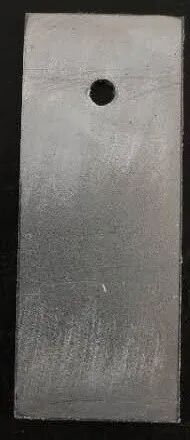
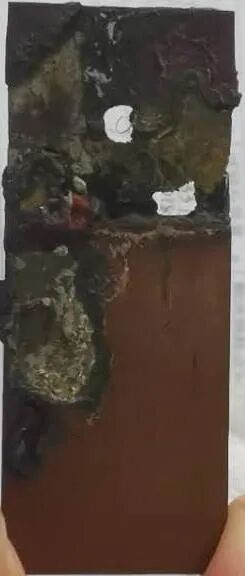
Independent laboratory testing, aligned with the UN Manual of Tests and Criteria, confirms that standard commercial solutions (with available chlorine ≥8000 mg/L) exhibit severe corrosivity to metals, meeting the formal criteria for a Class 8 corrosive substance. This inherent property dictates specific handling and packaging requirements.
3. Mandatory Logistics & Supply Chain Protocols
To ensure safety and regulatory compliance throughout the supply chain, the following steps are non-negotiable:
- Accurate Declaration & Documentation: The Shipper is legally responsible for declaring the shipment as dangerous goods. All booking requests and shipping documents (e.g., Dangerous Goods Declaration, Bill of Lading/Air Waybill, Commercial Invoice) must clearly state: UN 1791, SODIUM HYPOCHLORITE SOLUTION, Class 8, PG II (or III).
- Use of Certified Packaging: Product must be packed in corrosion-resistant, UN-certified packaging. Industry-standard HDPE plastic drums with appropriate liners are required. The use of steel or other non-compatible metal containers is prohibited. Packaging must be performance-tested for the assigned Packing Group.
- Safe Handling, Stowage, and Storage: Throughout its journey (origin warehouse, port terminal, vessel/aircraft), the cargo must be:
- Protected from direct sunlight and high temperatures.
- Stowed away from incompatible materials (e.g., acids, reducing agents).
- Properly secured within the container to prevent movement and damage.
4. End-User Safety Handling Instructions
Upon receipt, end-users should exercise caution:
- Personal Protective Equipment (PPE): Always wear chemical-resistant gloves and safety goggles. Use in a well-ventilated area.
- Dilution: Dilution prior to use is critical to mitigate hazards. For general disinfection, a 1:100 dilution (or as per manufacturer instructions) is typical.
- Spill Response: Immediately flush spills with copious amounts of water.
Conclusion
Treating sodium hypochlorite solutions as the regulated hazardous material (UN 1791) they are, is fundamental to a safe and compliant logistics process. We urge all parties in the supply chain—purchasers, suppliers, freight forwarders, and carriers—to verify compliance with all applicable dangerous goods regulations for both export from China and import into the destination country.
For specific questions regarding the classification, packaging, or transport of sodium hypochlorite solutions (84 Disinfectant), please contact our Dangerous Goods specialists at the earliest booking stage. We are here to provide expert pre-shipment guidance and an end-to-end compliant logistics solution.