
Shipping Supercapacitors from China: Air & Sea Logistics Guide
Executive Summary
This advisory outlines the critical logistics considerations for shipping supercapacitors—also known as electrochemical double-layer capacitors (EDLCs)—from Mainland China. While offering high performance, these devices are subject to specific dangerous goods regulations under UN 2796 or special provisions 361/372. Understanding their classification based on energy rating is essential for determining if they can be shipped as general cargo or require full dangerous goods (DG) protocols.
1. Product Definition & Operational Principle
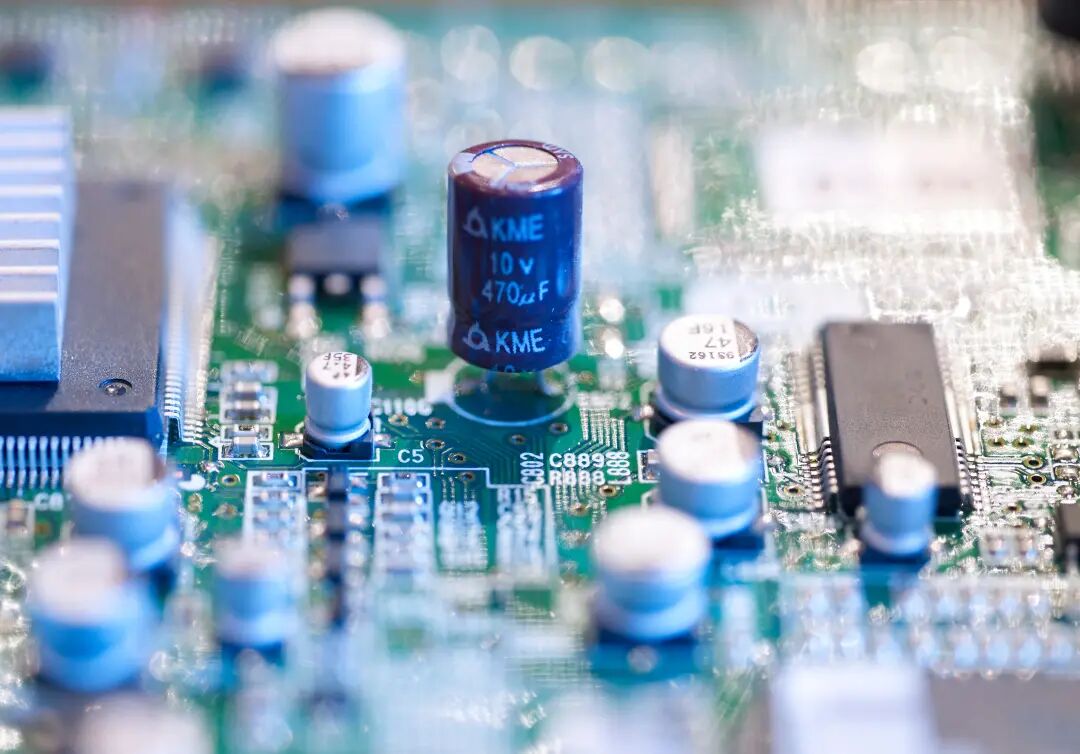
Supercapacitors are high-capacity electrochemical components that bridge the gap between traditional capacitors and batteries.
- Core Mechanism: They operate primarily on the electric double-layer (EDL) principle. When voltage is applied, charged ions in the electrolyte rapidly form opposing layers at the electrode interface, enabling extremely fast charge/discharge cycles coupled with substantial energy storage.
- Key Specifications: Capacitance typically ranges from 0.1 F to 3,000 F, far exceeding standard aluminum electrolytic capacitors (uF to mF range). However, individual cell voltage remains low (2.5 V – 4 V DC).
2. Performance Profile vs. Standard Components
Unlike lithium batteries, which have higher energy density but slower charge rates, supercapacitors excel in high-power, rapid-cycling applications. The table below highlights key differentiators relevant to transport safety and handling:
| Parameter | Standard Electrolytic Capacitors | Supercapacitors (EDLC) |
|---|---|---|
| Capacitance Range | pF – mF Scale | 0.1 F – 3,000 F (Exceptionally High) |
| Voltage Tolerance | Tens to Thousands of Volts | Low (Typically 2.5 V – 4 V per cell) |
| Power Delivery | Moderate | Extremely High (Fast Discharge Capability) |
| Cycle Life | Limited | 100,000 Cycles (Low Degradation) |
| Thermal Operating Range | Standard | Wide Range (-40°C to +70°C Common) |
Logistics Relevance: The high capacitance and potential stored energy determine the UN classification tier, impacting packaging and documentation requirements.
3. Technical Classifications
For accurate declaration, supercapacitors are categorized by:
- Mechanism: Electric Double-Layer (EDLC) vs. Pseudocapacitive (Faradaic).
- Electrolyte System: Aqueous (Acid/Alkaline/Neutral) or Organic Solvent-based (most common for high-voltage cells).
- Architecture: Symmetric or Asymmetric configurations.
4. Critical Transport Regulations & Testing (China Export Focus)
Shipments originating from China must comply with the UN Model Regulations (Special Provisions 361 and 372) concerning "Batteries and Capacitors." The regulatory status hinges directly on the device's energy value (Watt-hours/Wh).
Compliance Workflow & Thresholds
Mandatory Pre-Shipment Testing: All shipments must undergo testing accredited by institutions registered on China's official GHS Platform (dlp.ghs.cn). Under the category "General Batteries and Capacitors," select "Supercapacitor" for designation.
Regulatory Tiers & Exemptions:
| Energy Rating (E) | Regulation Status | Testing & Documentation Requirements |
|---|---|---|
| E < 0.3 Wh | Exempt from Most DG Rules | Generally treated as non-dangerous goods, provided manufacturer specifications are supplied. |
| 0.3 ≤ E ≤ 10 Wh (Double-Layer) 0.3 ≤ E ≤ 20 Wh (Asymmetrical) | Conditional Exemption | Must pass Drop Test + Voltage Difference Test. If passed, exempt from other strict DG clauses; otherwise, treat as UN 2796. |
| E 10 Wh / 20 Wh | Dangerous Goods | Full DG compliance required. Even if tests are passed, classified as Hazardous Material under UN 3480/3171 or similar, requiring MSDS/SDS, Class 9 labeling, and DG-compliant packaging. |
5. Recommendations for Procurement & Shipment
- Pre-Production Coordination: Provide your forwarder with the capacitor's technical datasheet specifying exact Wh rating before production begins. This determines the shipment mode (general vs. DG).
- Documentation: Ensure the supplier provides valid Test Reports and the corresponding Certificate of Conformance from the GHS platform.
- Mode Selection: For large volumes of low-energy (sub-0.3Wh) units, sea freight offers cost efficiency. For high-energy prototypes or urgent DG-classified goods, prepare for strict air cargo acceptance procedures.