
Ensuring a Safe Voyage: A Professional Guide to the Maritime Transport of Acetonitrile (UN 1648)
—— A Focus on Shipping Acetonitrile from China
Introduction
Acetonitrile, a high-purity solvent critical to pharmaceutical synthesis and precision electronics manufacturing, carries significant logistical risks alongside its high value. To ensure the safe and compliant transportation of this "solvent gold" from Chinese ports to global destinations, all supply chain stakeholders—from shippers and freight forwarders to carriers—must adhere to stringent international hazardous materials regulations. This guide outlines the key management points for the ocean freight of Acetonitrile (UN 1648) for international purchasers, facilitating a transparent, reliable, and secure supply chain.
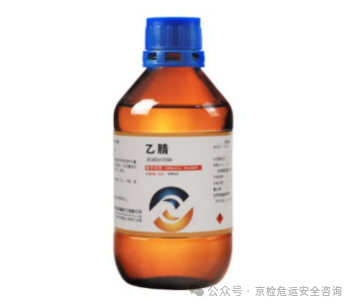
Key Risk Profile
Acetonitrile is classified as a UN 1648, Class 3 Dangerous Good (Flammable Liquid). Its primary risks are:
- High Flammability: Low closed-cup flash point of 2°C, with explosive limits between 3% and 16% in air.
- Toxicity: Vapors are harmful via inhalation and skin absorption. Toxic cyanide fumes may be released in a fire.
The accumulation of vapors in enclosed shipboard spaces presents a combined risk of fire, explosion, and personnel exposure, making comprehensive risk management essential.
Compliant Packaging and Declaration
All packaging must strictly comply with the International Maritime Dangerous Goods (IMDG) Code:
- Packaging Standard: Must meet the specifications of Packing Instruction P001 and be of Packing Group II.
- Container Options:
- Intermediate Bulk Containers (IBCs) conforming to the IBC02 standard may be used.
- Portable tanks must fully comply with Tank Instruction T7 and Special Provision TP2 (particularly for filling limits).
- Limited Quantity Shipment: To reduce logistics costs, small volumes may be shipped under Excepted Quantities (Code E2). Under this provision, inner packages must not exceed 1 L, with a maximum net content of 30 g/ml per inner package. The outer package must not exceed a total of 500 g/ml (aggregate of inner packages).
Correct Marking, Labeling, and Placarding
All packages, freight containers, or tanks must be clearly and durably marked with the correct UN number, proper shipping name, and affixed with the mandatory hazard labels and placards (primarily the Class 3 Flammable Liquid label) as per the IMDG Code to ensure immediate identification and correct handling throughout the logistics chain.
Shipboard Stowage and Segregation
Per the IMDG Code:
- Stowage Category: Stowage Category B.
- Location:
- On cargo ships and passenger ships carrying not more than 25 passengers or 1 passenger per 3 meters of overall vessel length (whichever is greater), stowage is permitted on deck or under deck.
- On passenger ships exceeding this passenger limit, stowage is on deck only.
- Segregation: Must be "away from" living quarters (Stowage Code SW2) to minimize risk to crew and passengers.
Emergency Response Preparedness
All personnel involved must be familiar with the relevant Emergency Response Procedures (EmS Guide Codes: F-E, S-D):
Fire (FIRE): Be alert to the potential for a Boiling Liquid Expanding Vapor Explosion (BLEVE). Fight fire from a safe, protected distance using copious amounts of water to cool containers. If possible, stop the leak and shut off open valves. Note: The flame may be invisible in daylight.
Spill (SPILLAGE): Personnel must wear full protective clothing, including Self-Contained Breathing Apparatus (SCBA). Avoid all contact. If safe to do so, stop the leak immediately. Spilled material can generate flammable vapors—eliminate all ignition sources (e.g., open flames, non-explosion-proof equipment). Decontaminate clothing thoroughly before reuse.
Conclusion
The safe transport of acetonitrile is the result of expertise, meticulous operation, and constant vigilance. Partnering with a logistics provider that thoroughly understands and implements international standards like the IMDG Code is crucial for ensuring a smooth and safe passage for your high-value chemical feedstocks. Through unwavering attention to detail at every logistical step, we collectively safeguard the security and efficiency of global industrial supply chains.
Disclaimer: This guide provides general information based on IMDG Code regulations. Always consult your freight forwarder and certified dangerous goods personnel for specific cargo requirements. Regulations are subject to change.