
Aerosols in International Logistics: Hidden Risks & Compliance Guidance for Buyers
As an international freight forwarder based in Shenzhen, we regularly handle shipments containing aerosol products — from hairsprays and cosmetics to insecticides and industrial sprays. Many overseas buyers sourcing from China may not realize that these everyday items are classified as dangerous goods under international regulations. Failure to comply can lead to delays, fines, warehouse refusals, or even catastrophic incidents.
Below is a professional overview of aerosol hazards, regulatory classifications, and key shipping considerations for importers and supply chain partners.
1. Real-World Incidents Highlight the Risks
- June 2022, Guangzhou: A recycling worker cut open over 50 used cosmetic aerosol cans in a rented room. When he lit a cigarette, the residual propellant ignited, causing an explosion that injured both him and his wife.
- June 2019, Nanjing: A resident was severely burned (30% body surface) when an insecticide spray can exploded during use.
Such cases underscore a critical point: aerosols are pressurized vessels containing flammable substances. In logistics operations — whether in consolidation warehouses, during loading, or in transit — improper handling can turn them into significant liabilities.

2. What Exactly Are Aerosols? (Regulatory Definition)
According to the UN Globally Harmonized System of Classification and Labelling of Chemicals (GHS, Rev.9), an aerosol dispenser is:
A non-refillable receptacle made of metal, glass, or plastic, containing a gas compressed, liquefied, or dissolved under pressure — with or without liquid, paste, or powder — fitted with a release device that ejects the contents as suspended particles, foam, paste, powder, or in liquid/gaseous form.
Common examples sourced from China include:
- Hairsprays, dry shampoos, styling mists
- Cosmetic hydrating sprays
- Insecticides, air fresheners
- Spray paints, freeze sprays, lubricants
Under Chinese standard BB/T 0005-2010, aerosols are categorized by discharge form (spray, foam, stream, powder, paste) and by application (personal care, household, pest control, medical, industrial, etc.).
3. Hazard Classification & Transport Categories
A. GHS Hazard Categories (for Labeling/SDS)
Per GHS Rev.9, aerosols are classified based on flammability and heat susceptibility:
- Category 1: Extremely flammable aerosol — container may explode if heated.
- Category 2: Flammable aerosol — container may explode if heated.
- Category 3: Non-flammable aerosol — pressure vessel may still burst if heated.
B. UN Transportation Classifications
Under the UN Recommendations on the Transport of Dangerous Goods (Model Regulations, Rev.21), aerosols typically fall under:
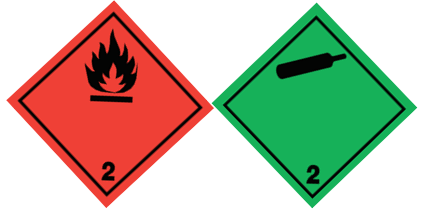
- Class 2.1 (Flammable Gas) for Category 1 and 2 aerosols
- Class 2.2 (Non-Flammable, Non-Toxic Gas) for many Category 3 aerosols
The exact UN number, packing group, and subsidiary risks depend on composition and test results.
Example from the Dangerous Goods List:
- UN 1950 – AEROSOLS
- Class: 2.1 or 2.2 (determined by formulation and testing)
- Special Provisions may apply (e.g., SP277 for limited quantities)
- Packing Instructions vary by mode (ICAO/IATA for air, IMDG for sea)
4. How Hazard Class Is Determined
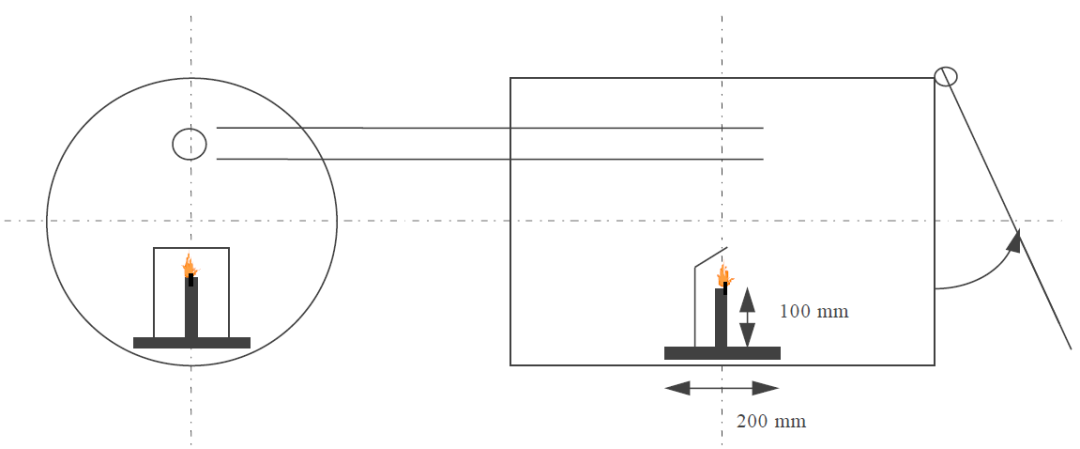
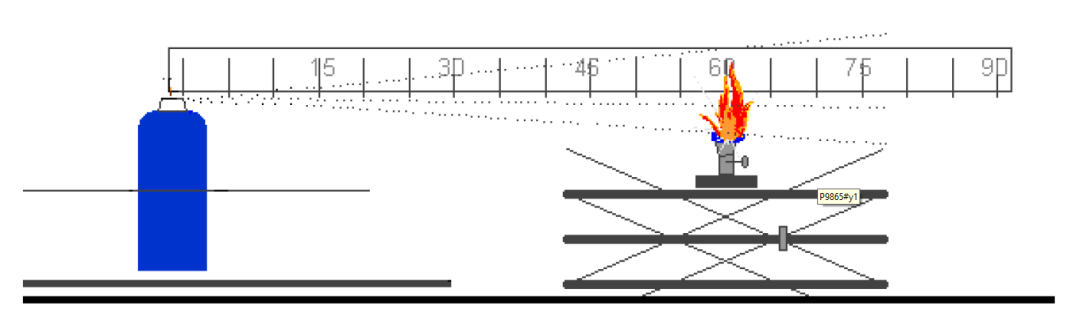
To assign the correct classification and UN number, manufacturers/test labs must conduct standardized tests per the UN Manual of Tests and Criteria (Rev.7, Part 31), including:
- Ignition Distance Test — measures flame propagation
- Enclosed Space Ignition Test — assesses explosion potential in confined areas
- Foam Flammability Test (where applicable)
- Chemical composition and heat of combustion analysis
Without valid test reports and Safety Data Sheets (SDS), carriers may reject shipments outright.
5. Key Logistics & Safety Considerations for Importers
When purchasing aerosols from Chinese suppliers, overseas buyers should ensure:
- ✅ Supplier Documentation: Obtain up-to-date SDS, GHS classification, and UN certification from the factory. Verify test reports align with current ICAO/IATA and IMDG codes.
- ✅ Packaging & Marking: Outer packaging must meet UN performance standards (e.g., fiberboard boxes with inner dividers). Each can must display GHS pictograms (flame symbol, pressure warning) and proper shipping name/UN number.
- ✅ Temperature Control: Store and ship below 50°C. Avoid direct sunlight and heat sources in containers and warehouses.
- ✅ No Fire/Ignition Sources: Prohibit smoking near cargo. Never place aerosol shipments near engines, batteries, or hot work zones.
- ✅ Empty Containers: Even "empty" aerosol cans retain hazardous vapor and pressure. They remain regulated dangerous goods in transport and require appropriate declaration.
6. Disposal & Recycling Note
While disposal regulations vary by destination country, pressurized aerosol cans generally qualify as hazardous waste at end-of-life. They must never be punctured, crushed, or incinerated — whether full or empty.
Summary for Buyers
Aerosols are not ordinary consumer goods in logistics. As your freight partner, we recommend:
- Validating supplier SDS and UN test summaries early in procurement
- Allowing extra lead time for DG documentation review
- Choosing carriers experienced in Class 2.1 / 2.2 dangerous goods
Non-compliance risks cargo holds, airline/liner rejection, port seizures, and potentially severe safety incidents. Proper classification and declaration protect your supply chain and personnel.