
Critical Update: New Regulations for the Safe Sea Transport of Carbonaceous Products (e.g., Charcoal, Activated Carbon)
—— A Focus on Shipping Carbonaceous Products from China
To Our Valued Clients and Partners,
As a leading international freight forwarder based in Shenzhen, China, we are writing to provide crucial information regarding significant updates to the global regulatory framework for shipping carbonaceous products, such as charcoal and activated carbon. Recent changes mandate heightened vigilance and procedural compliance from all supply chain stakeholders to mitigate the risk of fire incidents during transit.
1. Why This Matters: A Real-World Case
A recent enforcement action by Yingkou Maritime Safety Authority underscores the practical implications. Authorities inspected containers declared as "bamboo products" and found the contents to be "bamboo charcoal." According to the newly effective International Maritime Dangerous Goods (IMDG) Code, Amendment 41-24, such products are classified as Class 4.2 (Spontaneously Combustible) Dangerous Goods. The shipper had failed to declare the dangerous nature of the goods to the carrier and the authorities, leading to an ongoing investigation. This case highlights the severe risks of misdeclaration and non-compliance.
2. Product Overview and Inherent Risks
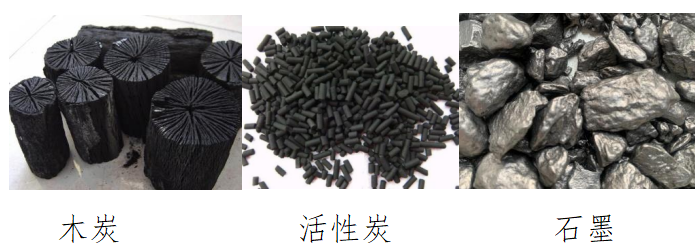
Carbonaceous products are common in global logistics but are frequently misunderstood. Their tendency for spontaneous heating poses a significant fire hazard, with numerous recorded incidents in maritime history. These products are primarily categorized as:
- Carbon of animal or vegetable origin (e.g., wood charcoal, bamboo charcoal, coconut shell charcoal). Note: The export of wood charcoal from China is currently prohibited.
- Carbon, mineral origin (e.g., coke, petroleum coke).
- Activated Carbon.
China is the world's largest producer and exporter of activated carbon, with annual exports exceeding 200,000 metric tons destined mainly for the EU and North America. Ensuring safety across the entire supply chain—from shippers and forwarders to carriers and ports—is paramount.
3. Key Changes in IMDG Code (Amendment 41-24)
The latest amendment has substantially revised the entries for carbonaceous goods, introducing stricter, more precise requirements.
Classification & Identification:
Two distinct UN entries are now specified:
- UN 1361: CARBON, animal or vegetable origin (Class 4.2). This includes all carbon derived from biological sources, not of geological/mineral origin.
- UN 1362: CARBON, ACTIVATED (Class 4.2).
Critical Change: The new Special Provision 978 removes a previous testing exemption. Untested products under UN 1361 must now be assigned to at least Packing Group III, eliminating "assumed safety" based on product type alone.
Packaging & Stowage Requirements:
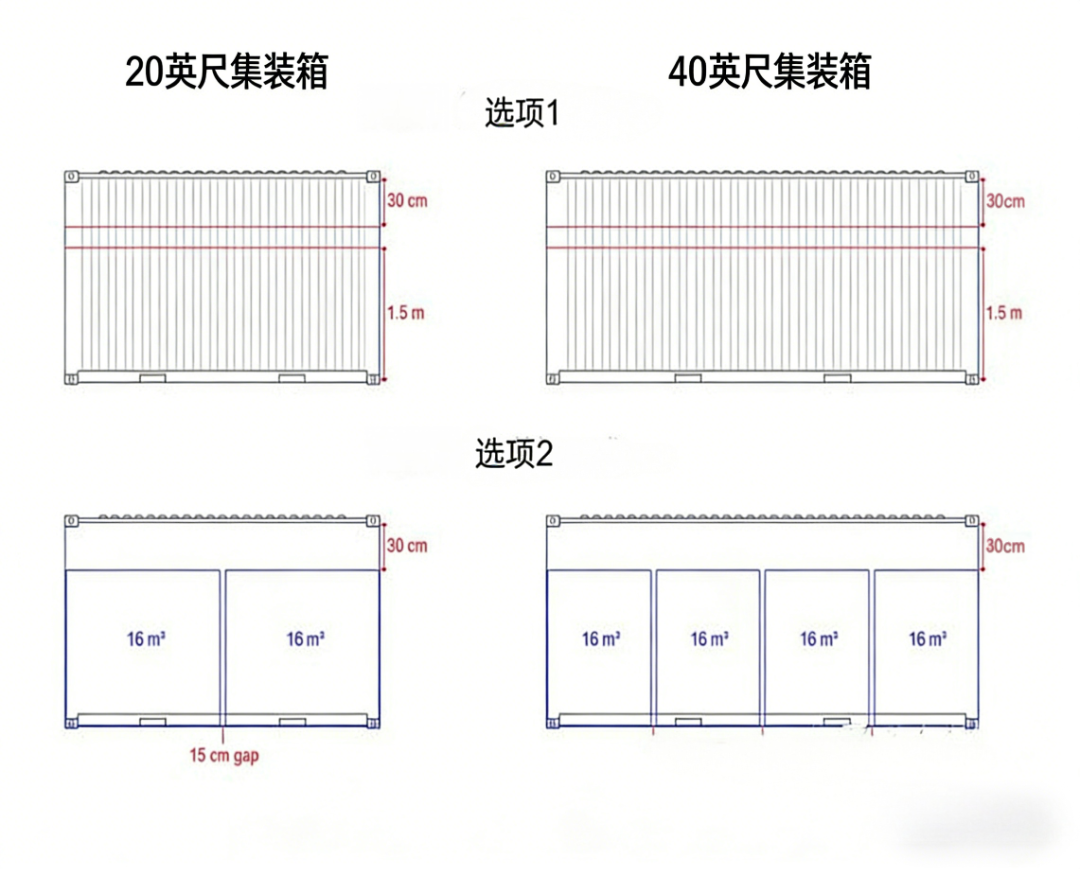
- Packaging must comply with specific directives (e.g., P002, IBC codes). Notably, for UN 1361 shipped in closed cargo transport units, the mandatory use of certain bag types (5M1, 5H1, 5L1) has been removed. For UN 1362, packages must be hermetically sealed.
- Pre-shipment Conditioning for UN 1361: Products must be weathered for at least 14 days after production before packing or undergo pyrolysis followed by cooling/packing in an inert atmosphere. Package temperature at loading must not exceed 40°C. Shipping documents must now include production date, packing date, and temperature at packing.
- Stowage: Both UN numbers are assigned Stowage Category A (allowed on or under deck). They must be stowed away from sources of heat and kept as cool as reasonably practicable. Specific stacking and ventilation space requirements within containers are mandated.
- Critical In-Transit Monitoring (for UN 1361 in breakbulk): When transported as loose packages, temperature must be measured and recorded three times daily during the voyage. Vessels must be equipped to inject CO₂ or inert gas if temperatures exceed 55°C and continue rising.
Exemption for Activated Carbon (UN 1362):
The full provisions of the IMDG Code do not apply only if one of the following is provided:
- A shipper's declaration stating the substance is steam-activated carbon, OR
- A certificate from a competent authority-approved laboratory, based on UN Manual of Tests and Criteria (Section 33.4.6), confirming a negative result for the Class 4.2 test for chemically-activated carbon.
4. Emergency Response
The EmS Guide prescribes specific measures for fire or spillage involving these goods, emphasizing remote firefighting using water spray, isolation of the affected area, and the use of appropriate personal protective equipment (PPE) and self-contained breathing apparatus (SCBA) during spill cleanup.
5. Industry-Wide Call for Vigilance
The Guidelines for the Safe Transport of Carbonaceous Materials in Containers (CINS, Sept 2024) reports 68 investigated sea fires linked to such cargoes between 2015-2022, predominantly due to misdeclaration. The guidelines warn that these products may be misdeclared under names like "bamboo products" or "carbon coal balls."
Our Commitment
At [Your Company Name], we are proactively updating our operational protocols and screening processes in line with these new regulations. We strongly advise all partners, especially international buyers sourcing from China, to:
- Ensure your suppliers provide accurate, detailed product descriptions and Material Safety Data Sheets (MSDS).
- Verify the classification (UN number, PG) of any carbonaceous product with professional Dangerous Goods advisors.
- Confirm that all pre-shipment conditioning, packaging, documentation, and labeling requirements are meticulously fulfilled.
Safe transportation is a shared responsibility. Adherence to these updated regulations is not merely a legal formality but a critical practice in scientific risk management essential for protecting lives, cargo, and assets.