
Critical Safety Advisory: Cocoa Powder and Similar Food Powders Classified as Spontaneously Combustible Goods in International Transport
—— A Focus on Shipping Cocoa Powder from China
As a leading international freight forwarder based in Shenzhen, China, we are committed to ensuring the safety and compliance of the global supply chain. This advisory addresses a significant but often overlooked hazard associated with common food commodities: the risk of spontaneous combustion during transportation and storage.
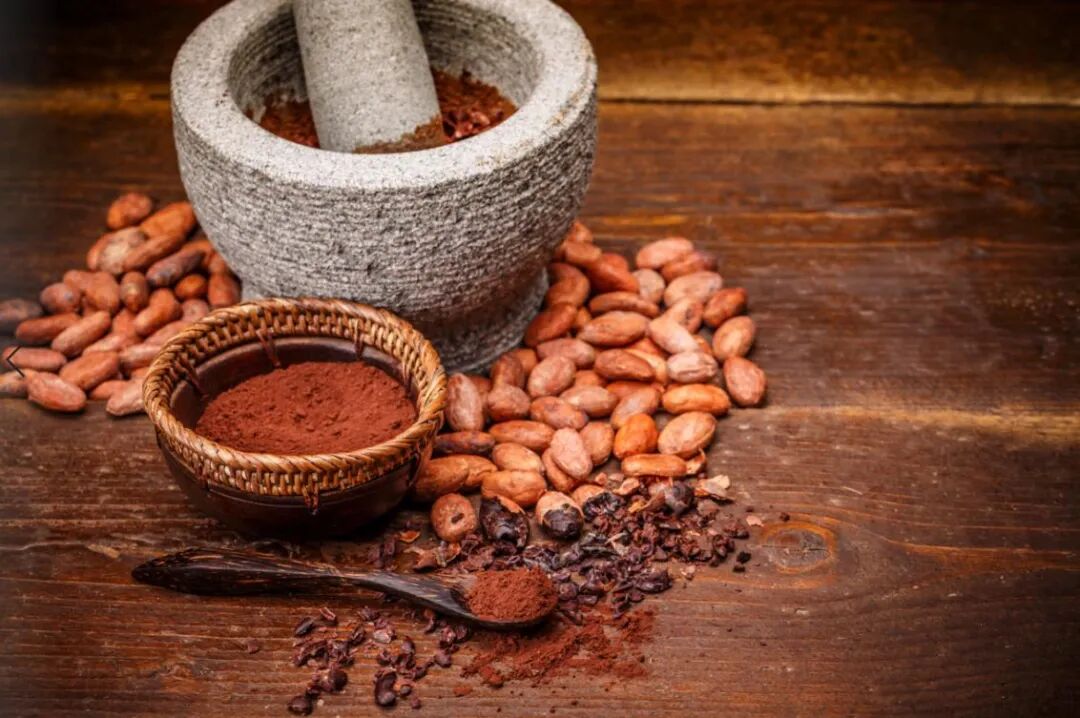
While cocoa powder is universally recognized as a versatile food ingredient, its classification under international dangerous goods regulations is less known. Based on scientific testing conducted in accordance with the United Nations Recommendations on the Transport of Dangerous Goods, Model Regulations, certain types of cocoa powder (including natural and alkalized varieties) meet the criteria for Class 4.2 – Substances Liable to Spontaneous Combustion.
Key Technical Findings & Risk Definition:
Hazard Classification
The UN Model Regulations define two types of self-heating substances:
- Pyrophoric Solids/Liquids (4.2): Ignite within 5 minutes of air contact.
- Self-Heating Substances (4.2): Undergo self-heating when in contact with air, which can lead to ignition over time (hours or days) if present in large quantities (kilograms). Cocoa powder typically falls into this latter category.
Scientific Basis
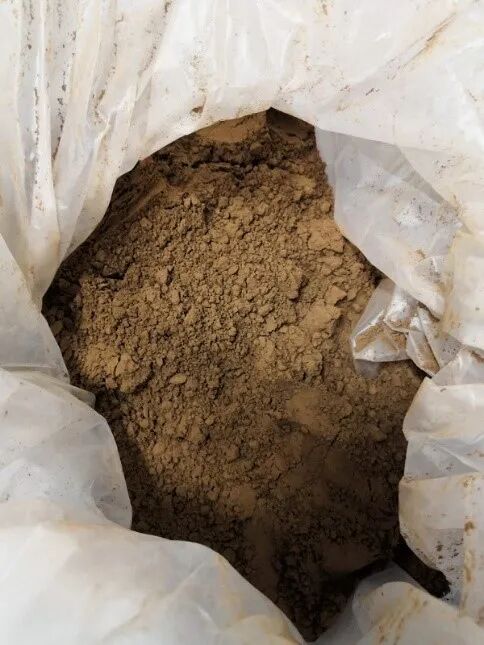
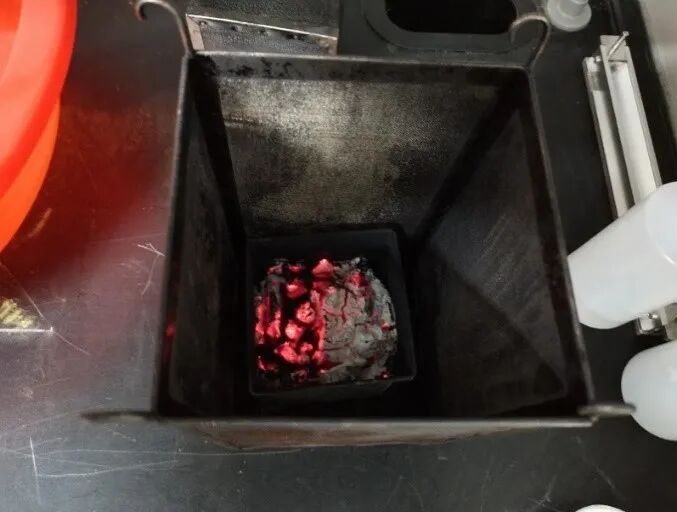
Standardized test methods (e.g., using a 100mm cube sample at 140°C) have demonstrated that many cocoa powder samples exhibit "dangerous self-heating," where the sample's temperature rises more than 60°C above the test chamber temperature within 24 hours. This confirms its inherent chemical property to oxidize and generate heat internally when aggregated.
Risk Amplification in Logistics
The hazard is not present in small, dispersed quantities. The risk becomes critical during maritime or air freight transport, where cargo is typically consolidated in large volumes (pallets, containers, ULDs). Confined spaces with limited heat dissipation can allow internal temperatures to rise to the point of ignition, especially in warm climates or if stowed near heat sources.
Broad Implications
This classification is not exclusive to cocoa powder. Our experience and testing data indicate that other fine organic powders, such as matcha powder and black tea powder, may pose a similar spontaneous combustion hazard and require the same rigorous assessment.
Mandatory Compliance & Safety Measures for Shippers and Buyers:
To ensure safety, regulatory compliance, and avoid costly incidents, delays, or penalties, the following measures are non-negotiable:
- Proper Declaration & Classification: Cocoa powder shipments must not be declared simply as "Foodstuff" or "Non-Dangerous." A competent authority or a certified testing laboratory must perform the UN N.4 Test (Self-heating Substance Test) to determine the correct classification and packing group (if any). Shipping under an incorrect declaration is a severe regulatory violation.
- Packaging & Quantity Limits: If classified as a Class 4.2 substance, transportation must adhere to strict packaging instructions (UN specification packaging if required) and may be subject to net quantity limits per package. This controls the aggregate volume to prevent dangerous heat accumulation. Your forwarder can advise on compliant packaging solutions.
- Documentation & Marking/Labeling: All transport documents (Air Waybill, Bill of Lading, Dangerous Goods Declaration) must accurately reflect the UN Number, Proper Shipping Name, Class, and Packing Group. All packages and overpacks must be correctly marked and display the Class 4.2 hazard label.
- Storage & Segregation: During warehousing and within containers/aircraft holds, classified cocoa powder must be segregated from incompatible materials (e.g., oxidizing agents) as per segregation rules.
Our Professional Recommendation:
Before organizing the shipment of cocoa powder, matcha powder, or similar high-fat organic powders, proactively conduct a definitive hazard assessment. Provide the test report to your freight forwarder during the booking process. This enables us to plan the safest and most compliant routing, packaging, and stowage from the origin in China to the final destination.
Safety in the supply chain is a shared responsibility. By acknowledging and proactively managing these hidden risks, we protect lives, assets, and the integrity of your cargo.
For specific questions regarding the classification and transport of your food-grade powders, please contact our Dangerous Goods Safety Team at the earliest inquiry or booking stage. We are here to provide expert pre-shipment guidance and an end-to-end compliant logistics solution.