
The Critical Role of Small Parts in Supply Chain Safety: A Must-Know for Shippers of Chemicals and Hazardous Materials
Introduction
Imagine a container ship navigating a storm in the Pacific. Dozens of containers, potentially carrying valuable or hazardous cargo, are lost overboard, resulting in millions in damages, environmental risks, and supply chain disruption. Investigations into such incidents often point to a seemingly minor component: the twist lock or stacking cone.
In global logistics, the safety of your cargo—especially sensitive chemical and hazardous materials—hinges not just on the container itself, but on the integrity of these small but vital securing devices. This article explains their function, the severe consequences of their failure, and the shared responsibilities that ensure safe passage from China to your destination.
1. Core Components: Twist Locks and Stacking Cones
Twist Lock: The primary device for locking containers together vertically or to the ship's deck. By rotating its locking cone, the head engages into the corner casting apertures of containers, preventing movement during transit.
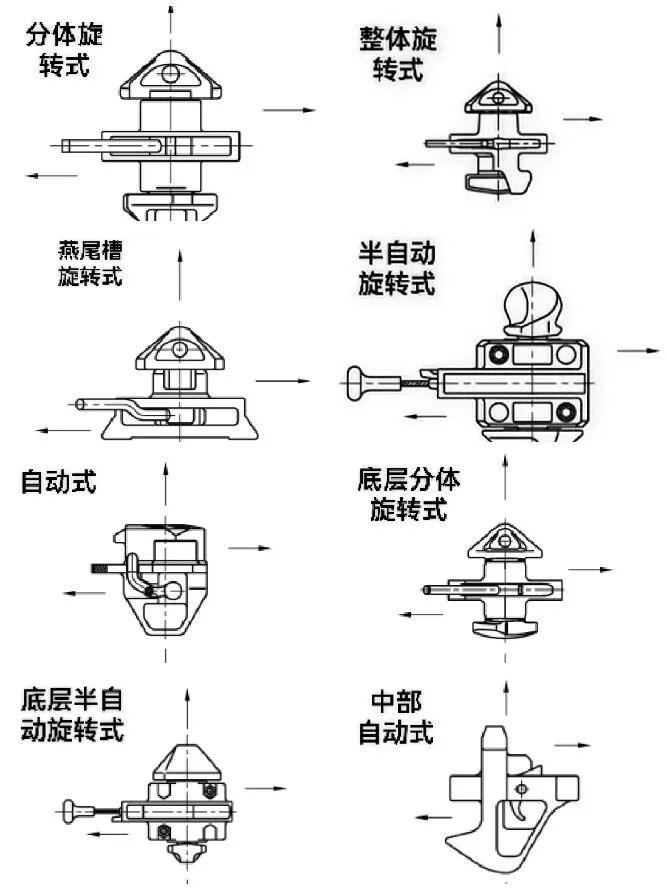
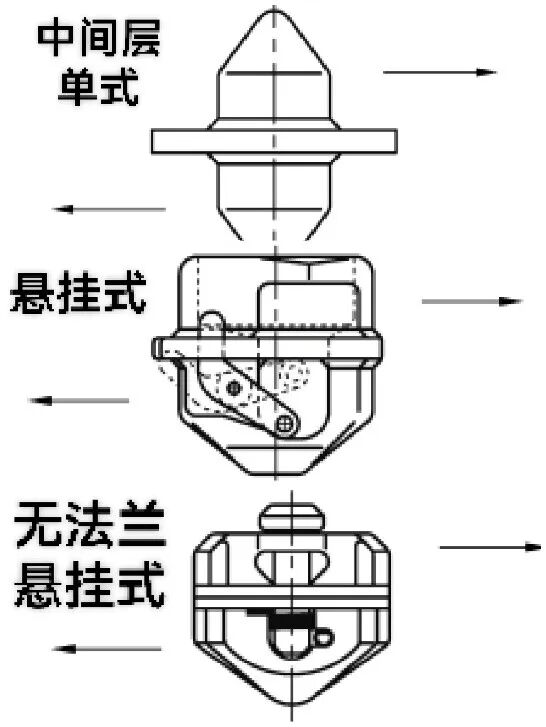
Stacking Cone: Used for positioning and connecting containers stacked on top of each other, primarily to prevent horizontal sliding. Commonly used in cargo holds or as the base layer on deck.
2. Real-World Incident Analysis: The High Cost of Neglect
The following cases, derived from maritime safety authorities, illustrate tangible risks:
Case 1: Container Loss at Sea Due to Failed Lashing Gear
A large container vessel encountered heavy weather. Severe rolling motions led to 50 containers lost overboard and 63 damaged. The root cause: critically corroded and poorly maintained deck securing equipment, which failed under stress.
Case 2: Cargo Damage During Unloading Due to Improper Unlocking
During port discharge, a crane lifted a 40-foot container from a hold, inadvertently lifting an unlocked 20-foot tank container of hazardous cargo beneath it. The tank container fell back into the hold upon reaching the deck, causing significant damage. The cause: failure to disengage a semi-automatic twist lock at the load port.
Case 3: Fatal Injury from Falling Equipment
During cargo operations, a twist lock fell from approximately 9.5 meters, striking and fatally injuring an officer on a lashing bridge. The investigation highlighted inadequate adherence to safety procedures and failure to secure the work area against falling objects.
These incidents share common underlying factors: damaged equipment, lack of maintenance, and operational non-compliance.
3. Maintenance, Inspection, and the Chain of Responsibility
Safety is a shared duty, codified in vessels' Cargo Securing Manuals (CSM) and related standards. A robust system requires commitment from all parties in the supply chain.
3.1 Ship Crew & Operator Responsibilities:
- Strict Adherence to the CSM: Verify the correct type and placement of all securing devices before loading and confirm all are unlocked prior to discharge.
- Implement a Three-Stage Inspection Regime:
- Pre-use: Visual check for cracks, deformation, excessive corrosion, and smooth operation of moving parts.
- Post-use/Storage: Re-inspect upon retrieval, clean, and store properly in designated racks/boxes to prevent damage.
- Periodic Inspection: Conduct detailed examinations per the CSM schedule, with proper documentation.
- Key Inspection Points: Lock body and cone (cracked units must be scrapped, never welded), rotation mechanism (must be lubricated and free), release cable (check for wear/jamming), and socket/base (clean, check for weld cracks/deformation).
3.2 Shipping Company (Carrier) Responsibilities:
- Procure Certified Equipment: Supply twist locks and cones that meet international standards, maintaining certification records.
- Adequate Spare Parts Inventory: Maintain sufficient spares based on trade lane and cargo volume for prompt replacement.
- Support Maintenance: Provide necessary lubricants, tools, and budget for upkeep. Arrange for periodic professional surveys of lashing gear.
- Invest in Training: Ensure crew are thoroughly trained on the CSM and company safety management systems.
3.3 Terminal/Stevedore Responsibilities:
- Enforce Standard Operating Procedures (SOPs): Rigorously follow safe work practices for container handling, securing, and unsecuring.
- Comprehensive Operator Training: Ensure personnel are fully trained on the function, inspection, and correct handling of all types of securing equipment.
- Execute with Precision: Check device condition before placement. During loading, position devices accurately as per stowage plans. During discharge, verify all devices are fully disengaged before lifting containers.
- Manage Site Safety: Restrict access to operational zones, maintain clear communication with the vessel, and immediately report and address any unsafe conditions or incidents.
Conclusion
For shippers of chemicals, hazardous materials, or any high-value goods, understanding the critical role of container securing devices is a key aspect of risk management. Your choice of logistics partner should prioritize carriers and terminals that demonstrate unwavering commitment to equipment maintenance, crew training, and strict operational procedures. These "small parts" are, in fact, a major pillar in the safe, reliable delivery of your cargo.
Source: Adapted from maritime safety publications.
For specific questions regarding the securing of your hazardous materials shipments, please consult with your freight forwarder or carrier's dangerous goods specialist.