
Ensuring Supply Chain Security: A Guide to the Safe Packing of Cargo Transport Units (CTU Code)
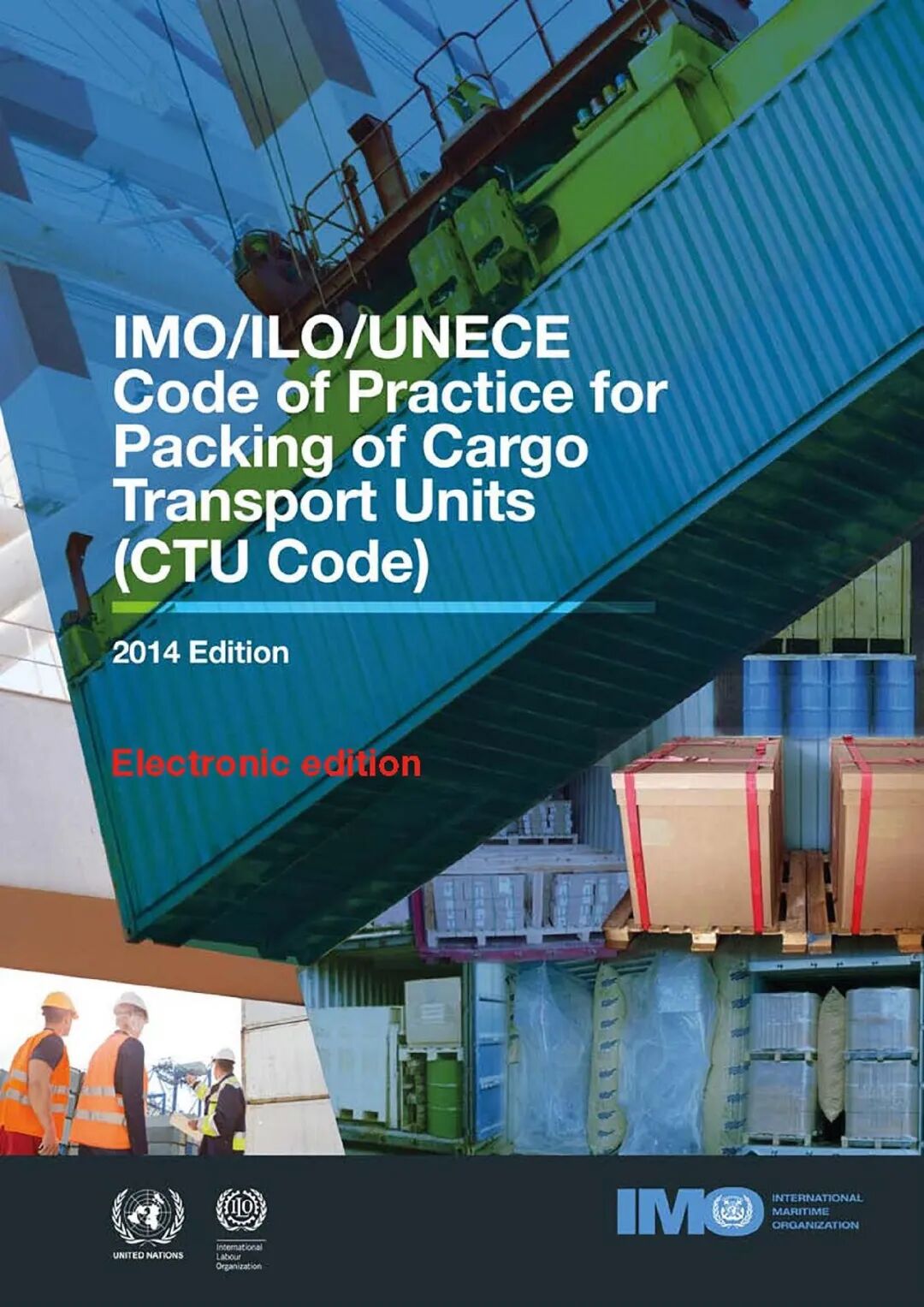
In the international ocean and air transportation of chemicals and dangerous goods, the safe packing and securing of cargo within transport units is a critical component for ensuring supply chain integrity and preventing major incidents and losses.
Industry estimates indicate that annual global losses exceeding $6 billion USD are attributable to improper packing practices, which encompass issues from cargo classification and documentation to stowage and securing.
To address this systemic challenge, the International Maritime Organization (IMO), the International Labour Organization (ILO), and the United Nations Economic Commission for Europe (UNECE) jointly developed the International Code of Practice for Packing of Cargo Transport Units (CTU Code). This non-mandatory global code of practice provides a systematic framework to mitigate the associated risks.
The CTU Code: Key Provisions and Industry Significance
The CTU Code offers a comprehensive technical and managerial framework for the entire intermodal transport chain. Its guidelines are applicable throughout the packing, land/sea transport, and unpacking processes. For companies involved in international procurement, especially of hazardous materials, its value is multifold:
- Standardized Operational Procedures: It standardizes the entire process, from assessing cargo compatibility and planning weight distribution to designing specific lashing and securing arrangements.
- Clear Responsibility and Guidance: It provides essential guidance not only for the packer but also establishes safety benchmarks for carriers, terminal operators, and consignees during unpacking operations.
- Risk Mitigation: Its scientific and practical guidelines directly reduce the risks of cargo shift, leakage, collapse, fire, or explosion during transit.
Professional Support and Services
Compliance often requires expert support. Companies can leverage services from third-party specialists to implement the CTU Code effectively, such as:
- Obtaining official Transportation Condition Appraisal Reports and Dangerous Characteristics Classification & Identification Reports.
- Participating in training on international dangerous goods transport regulations (e.g., IMDG Code, IATA DGR) and GHS compliance.
- Conducting compliance review and preparation of Safety Data Sheets (SDS) and labels.
- Performing dangerous goods classification testing (e.g., for oxidizing, self-heating, or flammable properties) for contentious or novel chemical substances.
Conclusion
Incorporating the principles of the CTU Code into supplier management and logistics contracts is a crucial step for businesses to build resilient supply chains, exercise due diligence, and protect commercial interests. Partnering with service providers who understand and adhere to these international standards is foundational to achieving safe and reliable international transportation.
Disclaimer: This guide provides an overview of the CTU Code and safe packing practices based on IMO/ILO/UNECE guidelines. Always consult your freight forwarder, certified dangerous goods personnel, and the latest regulations for specific compliance needs. Regulations are subject to amendment.