
Dangerous Goods Packaging Guide: What International Buyers Need to Know
When sourcing products from China, especially those classified as chemicals or dangerous goods, ensuring their safe and compliant transportation is paramount. This guide explains the critical knowledge about dangerous goods and their packaging, essential for international ocean and air freight.
1. What are Dangerous Goods?
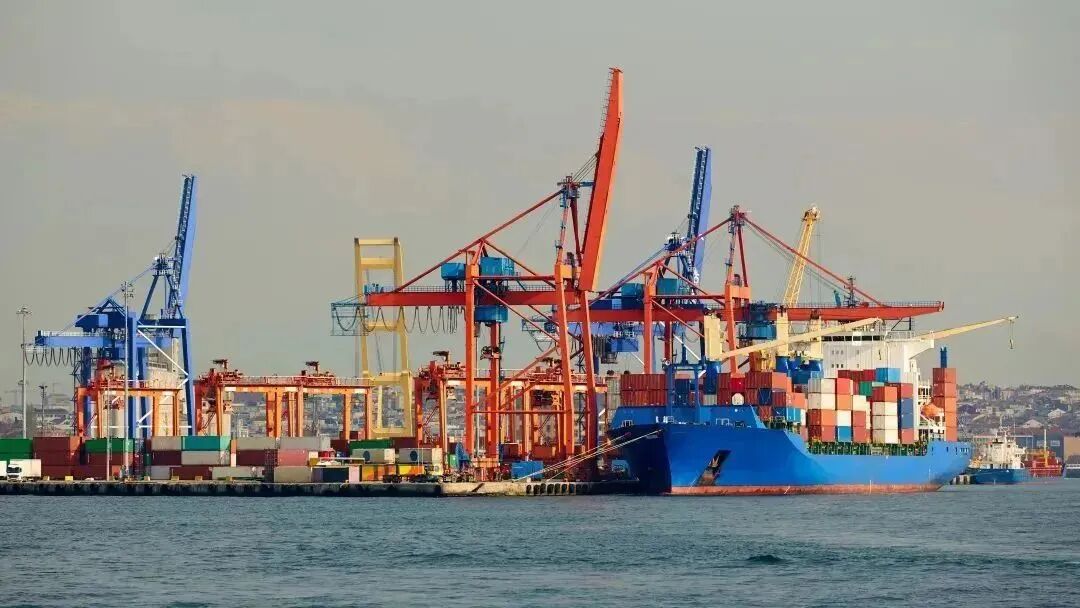
Dangerous Goods (often referred to as "Hazmat") are substances or articles that pose a risk to health, safety, property, or the environment during transport. The United Nations' Model Regulations on the Transport of Dangerous Goods classifies them into 9 primary hazard classes, such as explosives, flammable liquids, toxic substances, and corrosives. These goods are governed by strict modal regulations for international transport, including the International Maritime Dangerous Goods (IMDG) Code for sea and the ICAO Technical Instructions for air cargo.
2. Understanding Dangerous Goods Packaging
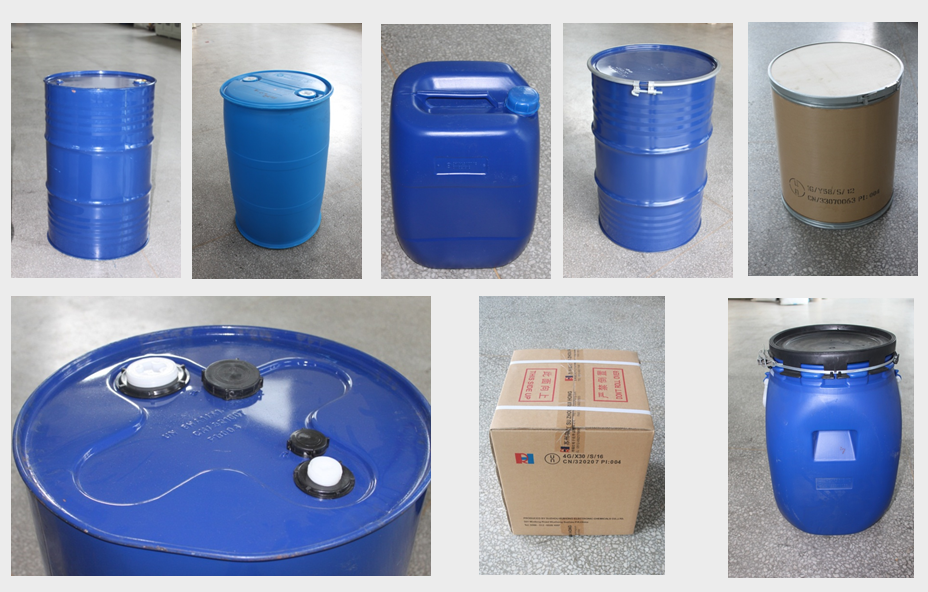
Dangerous goods packaging refers to the UN-certified containers used to contain dangerous goods for transport. Common types include drums, jerricans, boxes, and IBCs (Intermediate Bulk Containers), typically with capacities not exceeding 450 liters or 400 kg net mass.
2.1. Packaging Groups (PG):
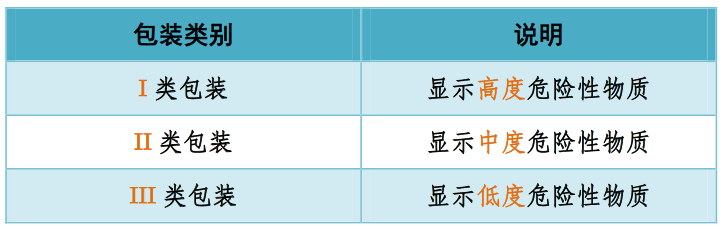
Based on the degree of danger, substances (with some class-specific exceptions) are assigned to one of three packaging groups for determining required packaging performance:
- PG I: High danger
- PG II: Medium danger
- PG III: Low danger
2.2. The UN Packaging Marking & Code:
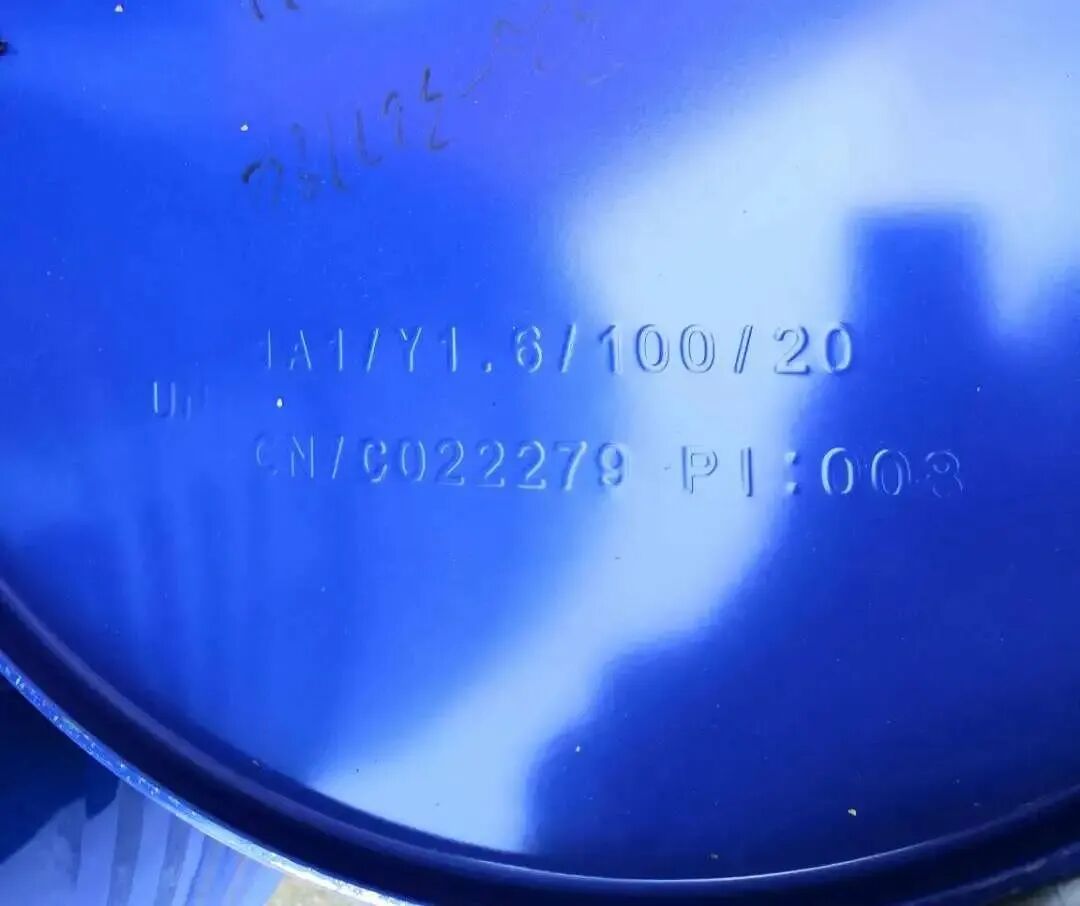
Every certified package must bear a durable, legible mark. This code is the package's "passport" and is critical for carriers and inspectors. For example, a mark like UN 3H1/Y1.4/250/23 CN/ABCD-PI:001 provides the following information:
- UN: Symbol for UN-certified packaging.
- 3H1: The packaging type code (3= Jerrican, H= Plastic, 1= Closed head).
- Y: Corresponds to Packaging Group II.
- 1.4: The specific gravity the package is tested for (for liquids).
- 250: The hydraulic test pressure in kPa.
- 23: Year of manufacture (2023).
- CN: ISO country code for China (manufacturing origin).
- ABCD: Code identifying the manufacturer and the authorizing certifying agency.
- PI:001: Production batch identification.
3. Mandatory Packaging Testing and Certification for Export from China
Chinese regulations mandate a two-step verification process for exporting dangerous goods to ensure transport safety.
3.1. Design-Type Performance Testing:
The packaging itself must pass rigorous performance tests before it can be marked and used. Testing is required for new designs, after significant changes, and at periodic intervals. Tests vary by packaging type and may include:
- Drop Test: Simulates handling impacts.
- Leakproofness (Hydraulic) Test: Ensures liquid integrity under pressure.
- Stack Test: Verifies strength under warehouse stacking conditions.
Tests are conducted according to Chinese national standards (GB standards) and industry standards (SN/T standards), which are harmonized with UN requirements.
3.2. Packing (Use) Inspection:
Even with certified packaging, a Packing Inspection is legally required for each export shipment. This verifies that the goods are packed correctly for transport:
- The inner packaging is compatible and properly secured.
- The correct packaging group is used for the substance.
- Absorbent and cushioning materials are adequate.
- The package is not overfilled or overweight.
- All required markings and labels (hazard labels, proper shipping name, UN number, etc.) are correctly applied.
In China, this inspection is performed by Customs or authorized third-party agencies (such as SICIT) against standards like SN/T 0370.3. A successful inspection is a prerequisite for Customs clearance.
Why This Matters for International Buyers:
- Legal Compliance & Shipment Acceptance: Carriers (shipping lines, airlines) and ports will reject unstowed, unmarked, or uncertified dangerous goods shipments. Non-compliance leads to delays, hefty fines, and potential refusal of cargo.
- Safety & Liability: Proper packaging is the primary defense against leaks, spills, fires, or contamination during the complex international logistics chain, protecting personnel, assets, and the environment. It minimizes your risk and liability.
- Supply Chain Reliability: Ensuring your Chinese supplier understands and adheres to these protocols—using certified packaging and obtaining the mandatory Packing Inspection Certificate—is essential for smooth logistics and on-time delivery.
The goods have been properly classified according to UN Model Regulations.
They are packed in UN-certified, performance-tested packaging marked with the correct UN code.
The shipment has passed the official Packing Inspection and the relevant certificate (Packing Inspection Certificate for Exported Dangerous Goods) is available for submission to the freight forwarder, carrier, and Customs authorities.
Working with a knowledgeable freight forwarder and insisting on full documentation from your supplier is the best practice for secure and compliant global transportation of dangerous goods.