
Ensuring Compliance: A Guide to Hazardous Goods Packaging Inspection for International Buyers
Introduction
For international buyers sourcing chemical or hazardous products from China, ensuring that shipments can safely and legally cross borders is a critical component of the supply chain. Packaging compliance directly impacts transportation safety, customs clearance, and ultimately, delivery timelines. As your logistics partner, we aim to clarify the core inspection process for export hazardous goods packaging in China—particularly for commonly used fiberboard boxes. Understanding these standards helps you verify supplier compliance and ensures smooth order fulfillment.
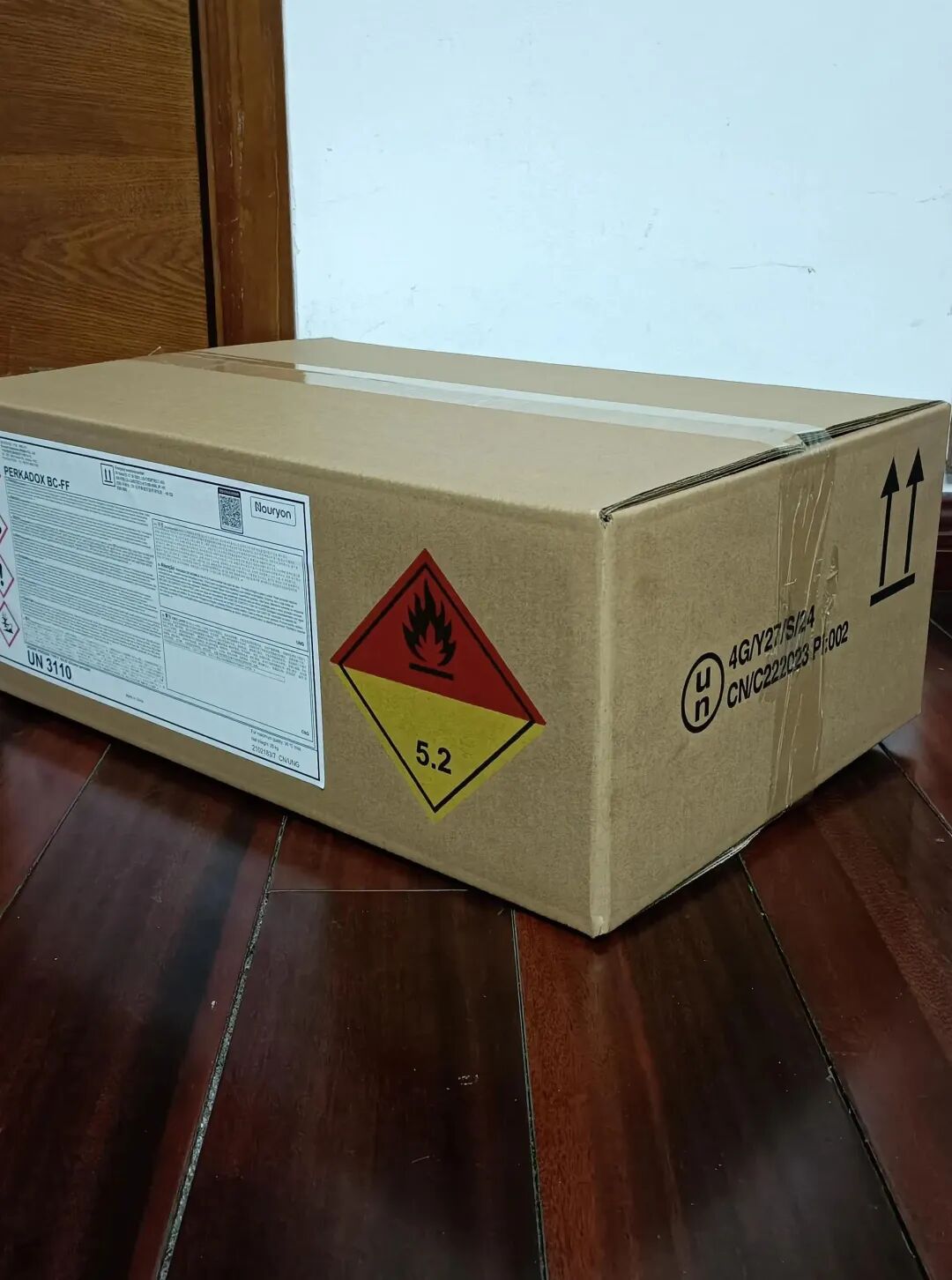
The Core Process: The "Use Appraisal" Inspection
Prior to export from China, dangerous goods must pass a mandatory "Use Appraisal" conducted by Customs or designated inspection authorities. This process verifies that the packaging, as prepared for shipment, meets the specific requirements of international regulations (such as the IMDG Code for sea transport or IATA DGR for air transport). The key inspection points are as follows:
1 Verification Against the "ID Card": The Performance Test Report
Every certified packaging container is supported by an official Performance Test Report. During the Use Appraisal, surveyors perform a strict cross-check to ensure the packaging in use matches the report exactly, including:
- Packaging Type and Specifications: For example, "Double-wall Fiberboard Box, 540 × 350 × 205mm (with inner plastic bag)" must precisely match the report description.
- UN Marking: The UN code embossed or printed on the packaging is its global transport "passport." It must be identical to the UN marking on the report. For instance, 4G/Y30/S/22 denotes packaging type, maximum gross mass/single package mass, packaging group, and year of manufacture.
| UN Mark Component | Example Value | Meaning |
|---|---|---|
| Packaging type code | 4G | Fiberboard box |
| Packing Group / Performance level | Y | PG II (Y = PG II, X = PG I, Z = PG III) |
| Maximum gross mass (kg) | 30 | 30 kg |
| Year of manufacture | 22 | 2022 |
2 Comprehensive Physical Packaging Check
Surveyors conduct an on-site assessment of the packaging's physical condition:
- External Condition: Packaging must be clean, undamaged, and free of residue from the contents. Closures should be flat and secure, and any external strapping must be tight.
- Markings and Labels:
- Transport/Hazard Labels: The proper diamond-shaped transport label (with correct size, symbol, and color per the hazard) must be affixed. For fiberboard boxes, this label is often pre-printed.
- GHS Label (if applicable): For hazardous chemicals, a label containing pictograms, signal words, precautionary statements, etc., is also required.
- Shipping Marks: The proper shipping name on the package must correspond with the declaration documents.
3 Internal and Compliance Verification
- Internal Integrity: For packages with inner liners or bags, inspectors ensure no leakage and that inner receptacles are securely closed (e.g., with double ties). For solids, the filling volume must not exceed 95% of the container's capacity.
- Material Compatibility: All packaging materials, including any absorbent or cushioning material, must be compatible with the hazardous contents and not undergo any dangerous chemical reaction.
- UN Marking Technical Check: Surveyors verify that the marked Packaging Group (e.g., PG II) on the package is equal to or higher than the level required for the goods. They also confirm the actual load weight does not exceed the marked maximum gross mass.
Why This Matters to You
Understanding these inspection points allows you to communicate more professionally with suppliers, for instance, by requesting a copy of the Performance Test Report to verify their packaging compliance. This proactive step helps prevent costly delays, rework, or fines at the port of origin due to non-compliant packaging, ensuring your goods begin their journey safely and legally.
Partnering with a professional international freight forwarder can assist you and your supplier in pre-screening these documents and the physical packaging, guaranteeing compliance from the very start of the logistics chain.
Quick Reference: Use Appraisal Checklist for Fiberboard Boxes
| Inspection Point | Compliance Requirement |
|---|---|
| Performance Test Report匹配 | Packaging type, dimensions, UN marking must match report exactly |
| UN Marking | Code format correct (e.g., 4G/Y30/S/22); matches report |
| External condition | Clean, undamaged, securely closed, tight strapping |
| Transport labels | Correct diamond-shaped label (size, color, symbol) affixed |
| GHS labels (if chemical) | Pictograms, signal word, precautionary statements present |
| Inner packaging | No leakage; inner bags securely tied; filling ≤95% |
| Compatibility | Materials compatible with contents; no chemical reaction |
| Weight verification | Actual load ≤ marked maximum gross mass on UN mark |
Disclaimer: This guide is for informational purposes based on China Customs "Use Appraisal" procedures and IMDG Code/IATA DGR regulations. Requirements may be subject to updates. Always consult official sources or professional DG logistics advisors for specific shipments.