
Regulatory Change in the Classification of Diesel, Gas Oil, and Light Heating Oil for Road Transport in China

1. Change in Regulatory Basis
Prior to / In 2019: The primary basis was the National Standard: List of Dangerous Goods (GB 12268-2012). A substance was classified as a dangerous good for road transport if it was listed in this standard, based on the flammable liquid criteria (closed-cup flash point ≤ 60°C) from GB 6944-2012.

Effective January 1, 2020: The Measures for the Administration of the Safety of Road Transport of Dangerous Goods issued by the Ministry of Transport and six other ministries came into force. This regulation references the Rules for Road Transport of Dangerous Goods (JT/T 617-2018) as the authoritative source. Dangerous goods are now defined as those listed in JT/T 617.
2. Key Change in Classification Criteria
| Criteria | Under GB 12268-2012 (Previous Standard) | Under JT/T 617.2-2018 (Current Standard) |
|---|---|---|
| Flash Point ≤ 60°C | Classified as Class 3 Flammable Liquids (UN 1202) | Classified as Class 3 Flammable Liquids (UN 1202) |
| Flash Point 60°C but ≤ 100°C | Considered "Non-Restricted Goods" - transported as general cargo | Now classified as Class 3 Flammable Liquids (UN 1202) |
| Flash Point 100°C | Non-Restricted Goods | Non-Restricted Goods (subject to other hazard criteria) |
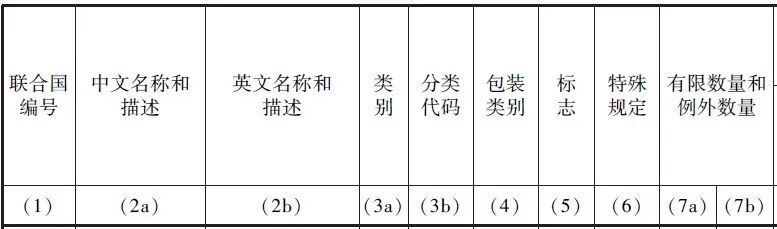
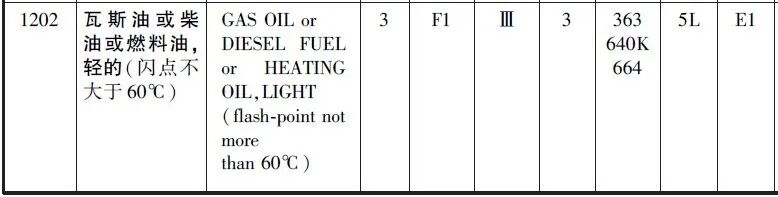
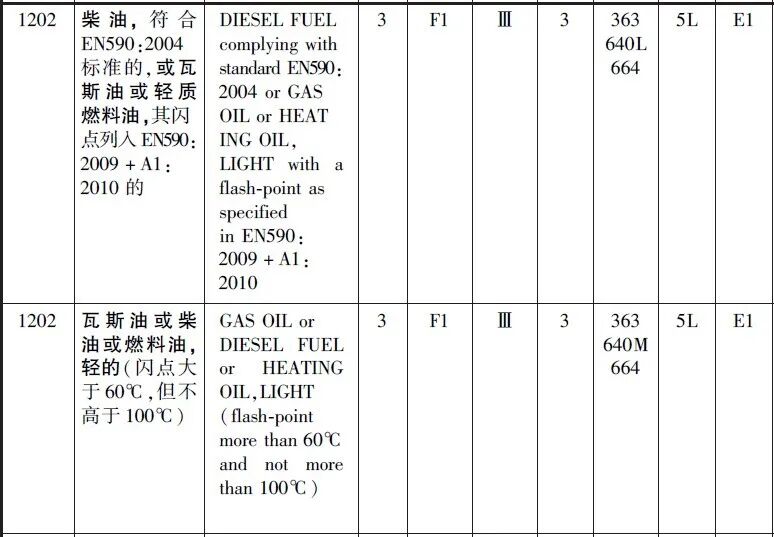
Under GB 12268-2012 (Previous Standard):
- Diesel, gas oil, and light heating oil with a closed-cup flash point ≤ 60°C were classified as Class 3 Flammable Liquids (UN 1202) for road transport.
- Those with a flash point 60°C were considered "Non-Restricted Goods" and could be transported as general cargo on roads.
Under JT/T 617.2-2018 (Current Standard):
- Section 5.3.1.1(e) introduces a crucial, stricter provision.
- Diesel, gas oil, and light heating oil with a closed-cup flash point 60°C and ≤ 100°C are now also defined as Class 3 substances and assigned to UN 1202.
- Consequently, all such oils with a flash point up to 100°C must be transported as dangerous goods on Chinese roads.
3. Impact and Conclusion
The implementation of JT/T 617-2018 represents a significant tightening of road transport regulations for these common oil products in China. Shipments with a flash point between 60°C and 100°C that are still handled as general cargo based on the old GB standard are now non-compliant. This exposes the shipper and carrier to significant regulatory risks, including fines and shipment delays.
To ensure compliance, it is strongly recommended that shippers obtain an up-to-date "Certificate for Safe Transport of Chemicals" (also known as a Transport Conditions Identification Report) from a qualified laboratory, based on the current JT/T 617-2018 classification criteria.