
A Guide to the Safe Ocean Transport of Chemicals/Dangerous Goods: Ethyl Butyrate Case Study
Introduction
For international buyers sourcing goods from China, understanding the safety regulations governing the maritime transport of chemicals is essential. This article uses Ethyl Butyrate as an example to outline the professional shipping requirements for dangerous goods, aiming to enhance awareness across the supply chain.
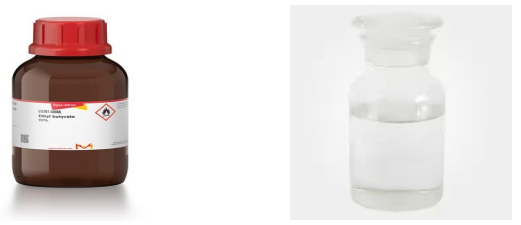
Cargo Characteristics and Risk Identification
Ethyl Butyrate (UN 1180) is a volatile liquid with a fruity aroma. According to the International Maritime Dangerous Goods (IMDG) Code, it is classified as a Class 3 Flammable Liquid (Packing Group III). Its primary hazards include a low flash point (approximately 26°C) and a narrow explosive range (1.3% to 8.8%), as its vapor can form explosive mixtures with air. Its pleasant scent can be deceptive, requiring heightened vigilance.
Core Requirements for Compliant Transport
Ensuring safe transport requires adherence to the following key IMDG Code stipulations:
1. Proper Classification and Identification
The correct shipping name (UN 1180), hazard class (Class 3), and packing group (III) form the foundation of compliance.
2. Packaging and Marking
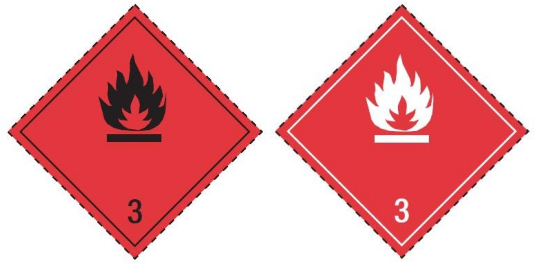
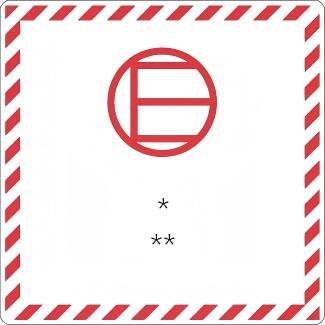
Packaging must conform to the relevant packing instructions (e.g., P001, IBC03). Transport under Limited Quantity (inner packaging ≤ 5L) and Excepted Quantity (E1, inner ≤ 30ml, outer ≤ 1000ml) provisions is permitted, and packages must bear the corresponding marks. All packages must be properly marked, labeled, and placarded with the Class 3 Flammable Liquid hazard communication.

3. Stowage and Segregation
This cargo is assigned to Stowage Category A. For segregation, strict rules apply:
- Stow "Away from" Class 2.2 gases.
- Stow "Separated from" Classes 1.4, 2.1, 2.3, 4.2, 4.3, 5.1, 5.2, and Class 7.
- Stow "Separated by a complete compartment or hold from" Class 6.2.
- Stow "Separated longitudinally by an intervening complete compartment or hold from" Divisions 1.1, 1.2, 1.3, 1.5, and 1.6.
On container ships, refer to the segregation table. Specific longitudinal and transverse separation distances (e.g., "one bay," "one bulkhead") must be met based on container type (closed/open) and stowage location (on deck/under deck).
4. Emergency Response
The EmS code is F-E, S-D.
- Fire: Cool containers with water from a distance. Attempt to stop leakage only if safe to do so.
- Spill: Responders must wear full protective clothing and self-contained breathing apparatus. Eliminate all ignition sources immediately and contain the spill.
- Exposure: Move to fresh air immediately. For inhalation, skin/eye contact, or ingestion, administer appropriate first aid (flushing, oxygen) and seek medical attention without delay.
💡 Advice for Global Buyers: When shipping Ethyl Butyrate or similar Class 3 flammable liquids from China, always verify updated Safety Data Sheets (SDS), confirm UN packaging certification, and consult with a DG-specialized forwarder for accurate stowage and segregation plans. Proactive compliance protects lives, vessels, and cargo integrity.