
Hidden Dangers in Maritime Transport: A Guide for International Buyers and the Public
Introduction: Not All Hazardous Cargo is Obvious
When shipping goods internationally from China via sea or air freight, many seemingly ordinary products can pose unexpected risks. These "hidden dangers" are not always obvious from the outside, leading to non-compliance or shipping delays.
Key Characteristics of Cargo with Hidden Hazards
- Deceptively Common Appearance: Some hazardous goods closely resemble harmless everyday items. A prime example is an electric igniter vs standard LED lights.
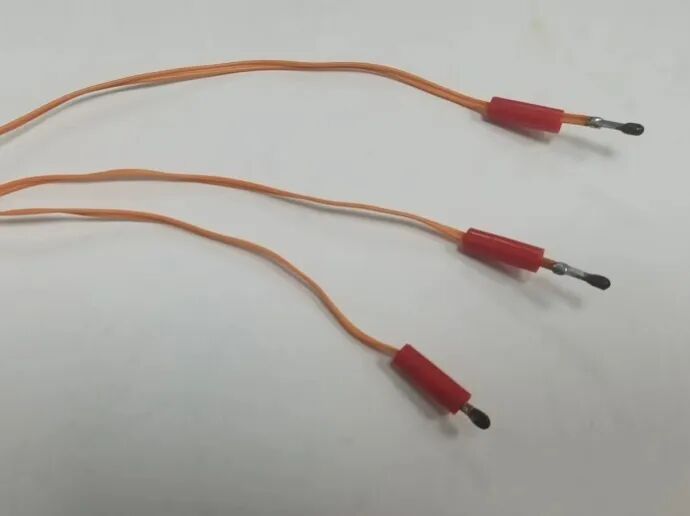
Hazardous Electric Igniter
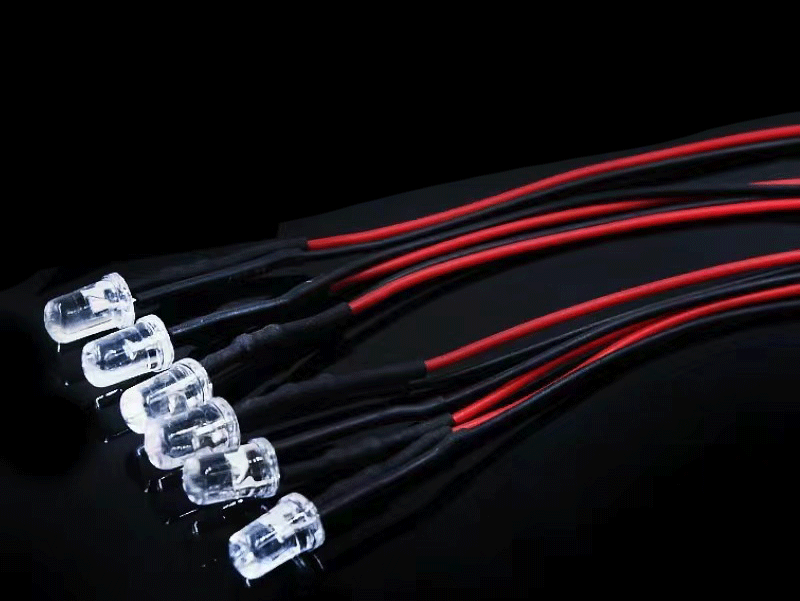
Standard LED Light
Common Types of Goods with Implied Hazards
1. Goods Potentially Containing Explosives
Items like automotive airbags contain small explosive charges. Standalone modules require specific testing (UN 3268).

Automotive Airbags
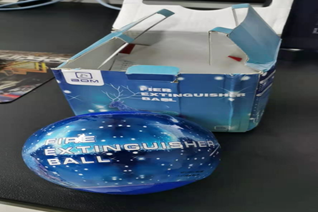
Fire Suppression Fireballs
2. Goods Containing Compressed or Liquefied Gases
Gas springs and struts appear identical to hydraulic shock absorbers but contain high-pressure gas.
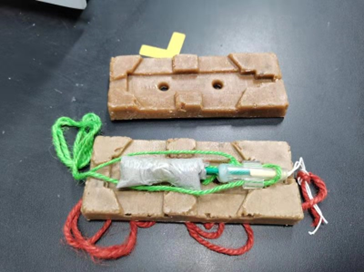
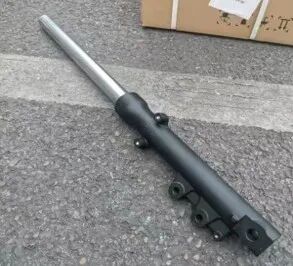
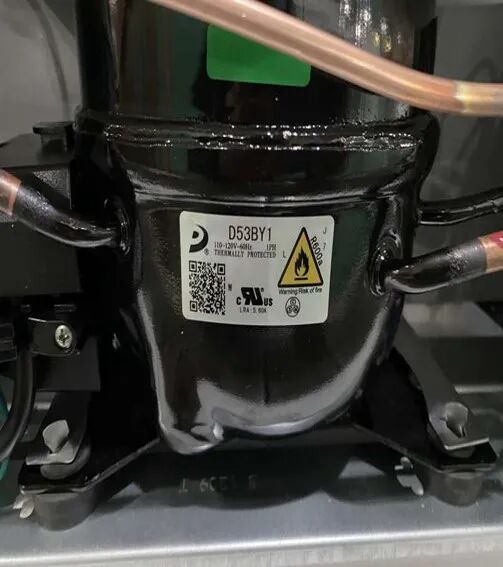
Devices such as self-contained breathing apparatus (SCBA) must be certified regarding their pressure status during transport.
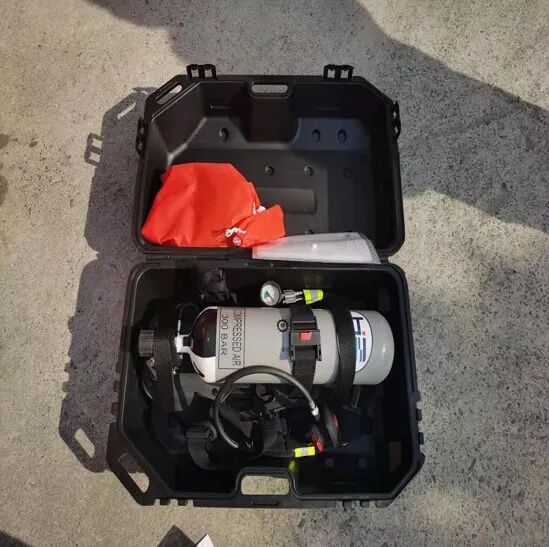
Self-contained Breathing Apparatus (SCBA)
3. Lamps and Lighting Equipment
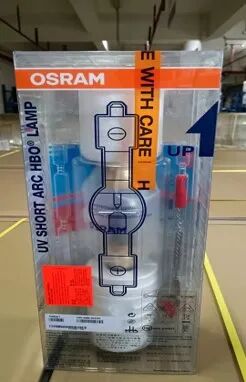
Under IMDG Code 1.1.1.9, lamps containing mercury or specialized gases are subject to strict packaging and quantity limits.

4. Goods with Built-in Batteries
Lithium batteries inside control panels or remote controls are critical components that must be declared.

Control Panel containing internal Lithium Battery
Request a professional Transport Condition Assessment from certified laboratories to ensure your shipment meets IMDG or IATA DGR standards.
Conclusion
Proactive identification of hidden hazards ensures safety and avoids costly delays in your global supply chain.