
A Critical Alert for Global Buyers: The Hidden Dangers of Shipping "Everyday" Household Chemicals
Understanding the Compliance Requirements for Hazardous Material Logistics in Ocean and Air Freight
Dear Global Purchasers, Importers, and Supply Chain Professionals,
When sourcing household cleaning products—such as laundry detergents, stain removers, or functional additives—from China, do you automatically classify them as "general cargo" for ocean or air freight? This common misconception poses significant risks to your supply chain, transportation safety, and regulatory compliance.
The Core Issue: The Dual Identity of Consumer Chemicals
Many functional cleaning agents, including oxygen-based bleaches, rust neutralizers, and alkaline builders, contain chemically active ingredients like strong oxidizers, corrosive alkalis, or flammable compounds to achieve their intended purpose. While safe for domestic use, these substances are frequently classified as Dangerous Goods or Hazardous Materials under international transport regulations such as the International Maritime Dangerous Goods (IMDG) Code or the IATA Dangerous Goods Regulations (DGR).
Case Study: Consequences of Misdeclaration
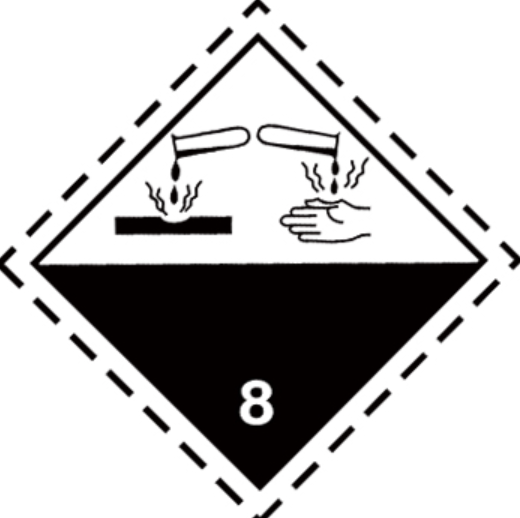
Recently, Chinese maritime authorities inspected a shipment declared as "laundry powder and detergent." The inspection revealed numerous undeclared, drummed, and bagged goods, including alkaline builders and rust neutralizers. Laboratory analysis confirmed the alkaline builder as a Class 8 Corrosive Substance (UN1760). The shipper, unable to provide mandatory documentation (like the Material Safety Data Sheet / Safety Data Sheet (MSDS/SDS) or a Dangerous Goods Classification Report), faced penalties, cargo seizure, and major shipment delays.
Compliance Framework for Shipping Hazardous Chemicals
Using the corrosive builder (UN1760, Class 8) as an example, compliant international transport involves stringent protocols:
1 Proper Classification & Identification
This is the foundational step. A competent authority (e.g., an accredited testing laboratory) must issue a Dangerous Goods Classification Report to determine the correct UN Number, Proper Shipping Name, Hazard Class/Division, and Packing Group.
2 Certified Packaging
Goods must be packed in UN-certified packaging that meets specific Packing Instructions (e.g., P001, LP01 for the IMDG Code). Packages must bear correct hazard labels and markings.
3 Accurate Declaration & Documentation
The shipper must provide the carrier (shipping line/airline) and authorities with a complete and accurate Dangerous Goods Declaration / Shipper's Declaration, supported by all required test reports and certificates.
4 Strict Stowage & Segregation
Onboard vessels or aircraft, dangerous goods must be stowed according to their properties (e.g., Stowage Category SW2: "Away from living quarters") and segregated from incompatible substances (e.g., flammables, oxidizers) as per regulatory segregation tables.
5 Emergency Preparedness
Documentation must include the relevant Emergency Schedule (EmS) Code. For UN1760, the code F-A, S-B provides crew with specific firefighting and spill response procedures, such as using water spray, avoiding contact, and preventing the release of toxic gases.
Actionable Guidance for International Buyers
- Conduct Due Diligence: Proactively request a GHS-compliant SDS/MSDS from your Chinese supplier for any functional chemical product. This is the primary document for identifying potential hazards.
- Demand Compliance Documents: Prior to booking freight, require the supplier to provide a Transportation Condition Identification Report or Dangerous Goods Classification Report issued by a recognized agency. This is the legal basis for compliant declaration.
- Partner with Experts: Engage a freight forwarder and carrier with proven expertise in handling dangerous goods. They can guide you through classification, documentation, booking, and handling, preventing costly rejections, fines, or incidents.
- Never Misdeclare: Deliberately declaring dangerous goods as general cargo or hiding them within a consignment is illegal and reckless. Violations can result in severe fines, cargo confiscation, criminal liability, and catastrophic accidents during transit.
Conclusion: In international logistics, "household" does not mean "safe," and "consumer" does not mean "general cargo." Ensuring a compliant and secure chemical supply chain is a shared responsibility to protect your cargo, vessels, the environment, and human lives. Identifying risks at the source and adhering to global regulations is fundamental to safe and efficient world trade.
Critical Reminder for Global Buyers: Never accept supplier promises that "it's just household product" without verified SDS and DG classification report. Misdeclaration penalties can exceed $50,000 per container plus criminal liability. Always verify before shipping.