
Navigating the Changes: Key Updates in IATA DGR 62nd Edition for Hazardous Goods Air Transport
Introduction
As a leading international logistics provider based in Shenzhen, China, we are at the forefront of global supply chains. Understanding the regulatory landscape governing the transport of hazardous materials is crucial for ensuring the safety, compliance, and efficiency of international shipments. The International Air Transport Association (IATA) Dangerous Goods Regulations (DGR) is the definitive guide for the safe air transport of dangerous goods worldwide. The 62nd Edition, effective from January 1 to December 31, 2021, introduced significant technical revisions that shippers, freight forwarders, and all supply chain stakeholders must comprehend. This article provides a professional overview of the key changes from an international logistics perspective, focusing on implications for the transportation of chemicals and other hazardous materials.
Summary of Key Changes in IATA DGR 62nd Edition
1. Applicability
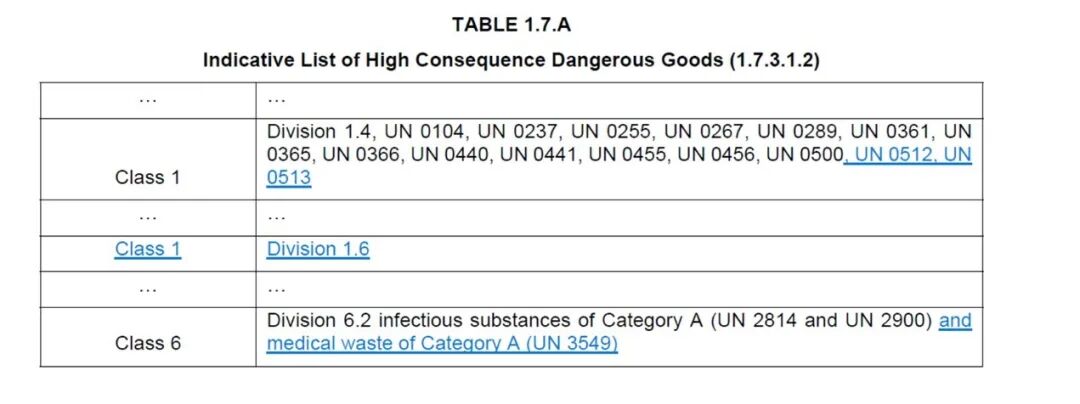
The scope of the regulations was adjusted with new exemptions. Notably, hazardous materials used for preserving transplant organs during flight and those used in aircraft spraying for pest control are now exempt. Furthermore, safety constraints were added for lithium batteries that are part of an aircraft's permanent equipment and previously fell outside the rules. The Indicative List of High Consequence Dangerous Goods was expanded to include four new entries, incorporating all items under Division 1.6 (extremely insensitive articles with no mass explosive hazard).
2. Limitations
Passenger/Crew Provisions: Several allowances for passengers and crew were increased. For example, spare batteries for wheelchairs/mobility aids meeting Special Provision (SP) A123 or A199 increased from one to two. The personal allowance for self-contained safety equipment with small non-flammable gas cartridges increased to two items per person. Portable electronic devices (PEDs) containing various battery types are now consolidated under Section 2.3.5.8, with specific requirements for isolating batteries from heating elements in devices that can produce excessive heat.
Postal Transport: New requirements were introduced for dry ice used as a refrigerant for UN3373 in postal items. (Note: Domestic postal services in China do not accept dangerous goods.)
3. Classification
- A new definition for "Pressurized Chemicals" and the assignment of SP A187 as the basis for their hazard classification.
- The introduction of a new entry: UN3549, "Medical waste, Category A, solid", for clinical waste containing Category A infectious substances.
- For Class 8 Corrosives, OECD Test Guidelines 430 and 431 are now accepted for assigning packing groups. If a test cannot differentiate between PG II and III, the substance must be assigned to PG II.
- The Proper Shipping Name for UN3363 was expanded to include "Dangerous goods in articles," in addition to the existing "in apparatus" and "in machinery."
- A new classification pathway for articles containing explosives that have been tested and excluded from Class 1, allowing them to be classified under the "n.o.s." entries in Section 3.12.
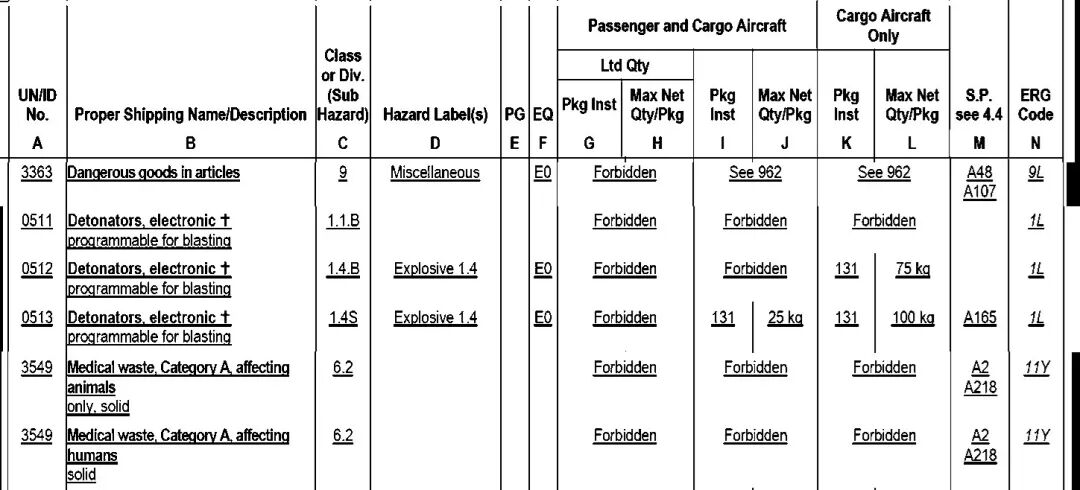
New UN numbers introduced in the 62nd Edition include UN3363 (Dangerous goods in articles), UN0511/0512/0513 (electronic programmable detonators), and UN3549 (Category A medical waste). These additions reflect the evolving nature of dangerous goods classification and the need for more specific identification of hazardous materials in air transport.
4. Identification (Dangerous Goods List)
New Entries: Six new UN Numbers were added, including UN3363 (Dangerous goods in articles), UN0511/0512/0513 (for various types of electronic programmable detonators), and two entries for UN3549 (Category A medical waste affecting animals or humans).
Revised Entries:
- UN2216, Fish meal, stabilized: Previously forbidden, it is now permitted on both passenger and cargo aircraft under new SP A219, which mandates antioxidant treatment and a certificate of analysis.
- UN2522: The Proper Shipping Name was changed to "Ethyl 2-dimethylaminomethylacrylate, stabilized" with new stability requirements under SP A209.
- UN3291 (Clinical waste, etc.): The Packing Group was deleted, and the prescribed Packing Instructions were changed from 622 to 621.
Revised Special Provisions (SP):
- A145: Clarifies that spent pressure receptacles are forbidden unless punctured and previously contained a Division 2.2 gas.
- A88 & A99: For shipping lithium batteries that have not passed the UN 38.3 test (A88) or exceed 35 kg net weight (A99), approval is now required from both the State of Origin and the State of the Operator. The specific Packing Instruction numbers (PI 910 and PI 974) must be declared.
- A154: Provides explicit criteria for defining a "defective" or "damaged" lithium battery/cell.
- A201: Eases restrictions for transporting lithium battery-powered life-saving medical devices on passenger aircraft when no other means (including cargo aircraft) is available.
- New provisions (A215, A216, A217) were added covering technical names for environmentally hazardous substances and stability requirements for nitrocellulose.
5. Packing
- Packages can now be designed, tested, and marked to more than one UN performance standard.
- A 10-year periodic inspection requirement was introduced for fire extinguishers classified as UN3500.
- Revisions to multiple Packing Instructions (e.g., PI 378, PI 972, PI 620, PI 650, PI 959) concerning fuel in machinery, leakproofness for solids containing liquids, and marking/reporting for biological substances.
- Packaging Instruction 622 was renumbered to PI 621.
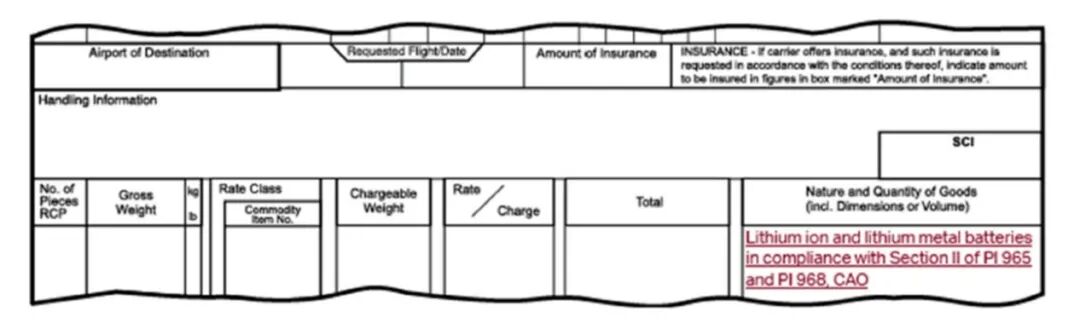
- Lithium Battery Specific: When shipping multiple packages under different PIs (Section II), the compliance statements can be merged into one, provided the declaration clearly identifies each battery type, PI, and "Cargo Aircraft Only" status. New requirements in PI 967 and 970 mandate that equipment within packages must be secured against movement, accidental activation, and contact that could cause damage.
6. Packaging Specifications and Testing
New clauses allow packages to conform to multiple specification types. For metal (e.g., aluminum) drums, an internal protective coating is now required if the contents are incompatible with the drum's material.
7. Marking and Labeling
The marking for UN3373 ("Biological Substance, Category B") no longer requires the name and telephone number of a responsible person.
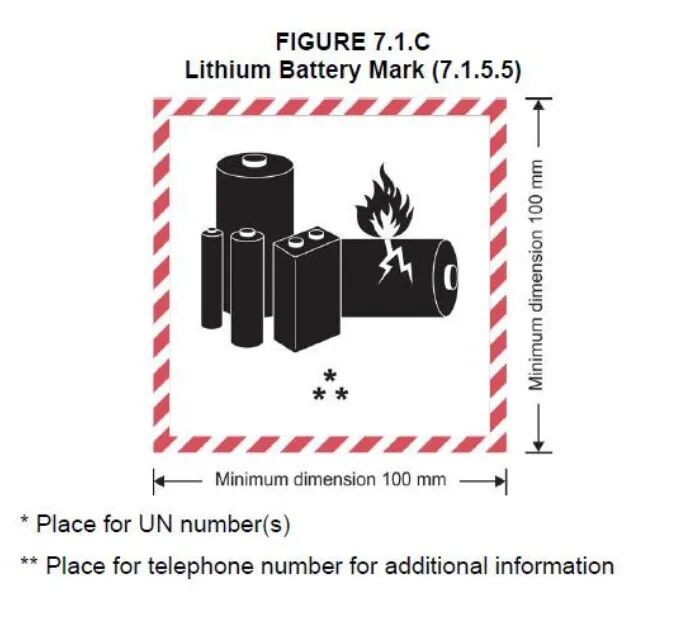
The minimum dimensions for the Lithium Battery Handling Mark were increased to 100 mm x 100 mm (or 100 mm x 70 mm for smaller packages). Marks conforming to the previous size may continue to be used during a transition period.
The increased dimensions for the Lithium Battery Handling Mark (100mm x 100mm) represent a significant change for shippers. This larger marking requirement ensures better visibility and recognition of lithium battery shipments, enhancing safety during ground handling and air transport operations.
8. Documentation
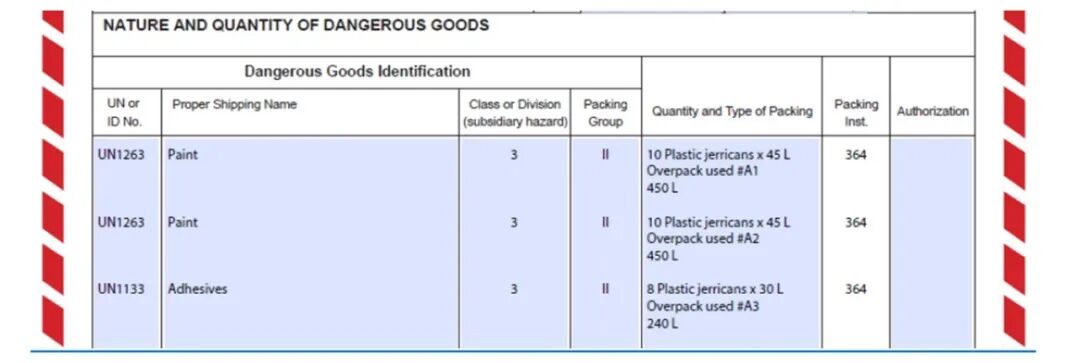
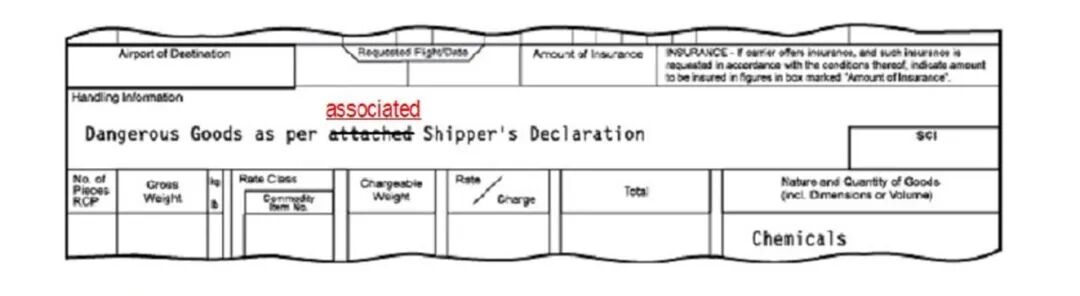
The requirements for describing multiple overpacks on the Shipper's Declaration for Dangerous Goods were clarified with examples. The text required on the declaration form was modified. Both old and new versions of the Air Waybill are acceptable during a two-year transition period.
9. Operations
A significant change mandates that operators must include the carriage of dangerous goods in their safety risk management process, changing it from a recommendation to a requirement. Reporting of dangerous goods discrepancies is simplified, requiring reporting only to the State of the Operator.
10. Radioactive Material
The term "radiation level" was replaced with "dose rate," and additional radionuclide names were added.
The IATA DGR 62nd Edition reflects the ongoing evolution of safety standards in air cargo. Key focus areas include enhanced management of lithium batteries, refined classification and identification of various substances (including medical waste and explosives in articles), updated packaging and marking rules, and stricter operational safety mandates. For businesses involved in global trade—especially those shipping chemicals, batteries, or equipment containing hazardous materials—staying informed about these updates is not optional; it is a critical component of operational compliance and safety. Partnering with a knowledgeable and certified logistics provider is essential to navigate these complex regulations seamlessly.