
Importing Finished Fuel Gasoline into China: A Guide from an International Logistics Perspective
—— A Focus on Importing Gasoline into China
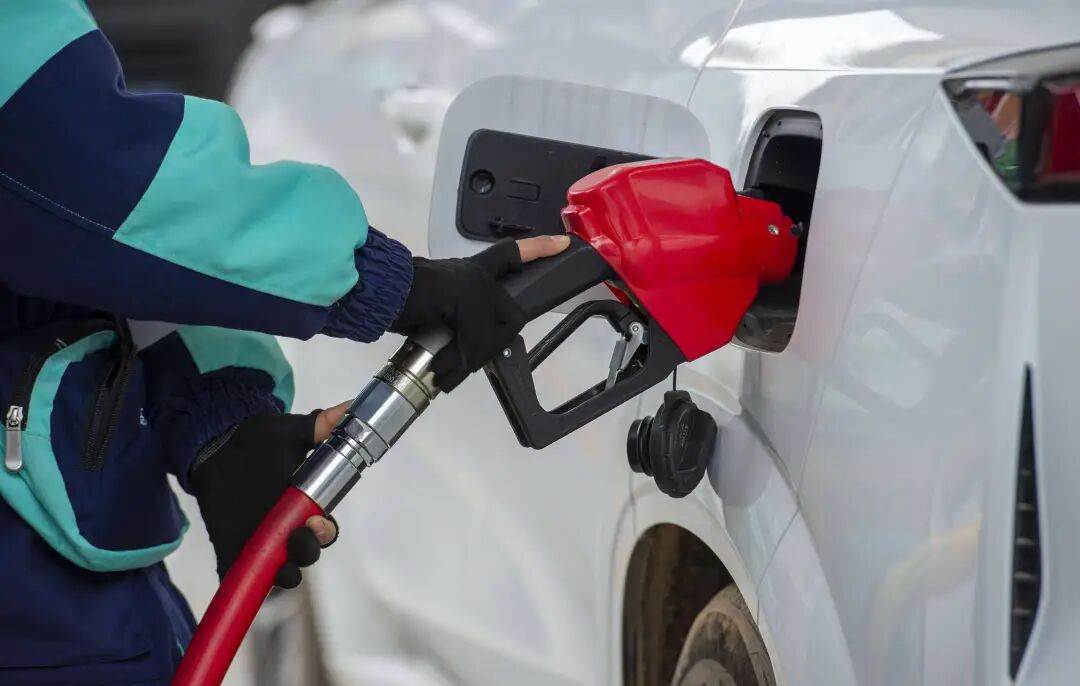
For global purchasers sourcing goods from China, understanding China's customs clearance procedures for sensitive commodities is critical. This is especially true for high-value dangerous chemicals like finished fuel gasoline. This article, from the perspective of international logistics and trade compliance, outlines the key requirements for importing gasoline into China via sea or air freight, helping you mitigate supply chain disruptions and ensure efficient customs clearance.
1. Product Identification and Classification: The Foundation of Compliant Transport
Gasoline, as a common automotive and aviation fuel, is classified as a hazardous chemical and flammable liquid in international trade. Its Harmonized System (HS) code in China is typically 2710.12.10. Accurate classification is the first step towards compliant shipping:
- Dangerous Goods (DG) Classification: According to the UN Model Regulations, gasoline is classified as a Class 3 Dangerous Good (Flammable Liquid) with the UN Number 1203 or 3475 (for ethanol blends). Its CAS number is 86290-81-5.
- Quality Specifications: China enforces mandatory national standards (e.g., GB 17930-2016) for gasoline, with strict limits on key parameters like octane rating, sulfur, and benzene content. Buyers must ensure the product specifications from their supplier meet these Chinese standards.
2. Importer Qualifications and Documentation: Pre-Clearance Requirements
China imposes strict trade controls on refined oil imports. The starting point of the logistics chain is ensuring the importer has the proper credentials.
- Trading Rights: The import of gasoline is subject to state trading management. Generally, only state-trading enterprises authorized by the Chinese government or non-state traders registered under specific conditions are permitted to import.
- Key License: The Automatic Import License (customs supervision condition code "7") must be obtained from China's Ministry of Commerce prior to shipment. This is a mandatory document for customs declaration.
- Essential Shipping and Clearance Documents: As a freight forwarder or consignee, you must prepare and ensure the accuracy and consistency of the following:
- Commercial Invoice, Packing List, Bill of Lading (B/L) or Air Waybill (AWB)
- Material Safety Data Sheet (MSDS/SDS): A Chinese language version compliant with China's GHS standards is mandatory.
- Dangerous Goods Transport Certificate
- Performance Test Certificate for Dangerous Goods Packaging (if applicable)
- Contract, Certificate of Origin
- Importer's Conformity Declaration for Hazardous Chemicals
3. Customs Inspection and DG Regulatory Process: Critical Logistics Checkpoints
Upon port arrival, the cargo is subject to strict inspection and supervision by Chinese Customs, which directly impacts post-arrival storage and inland transportation scheduling.
| Process Step | Description & Requirements |
|---|---|
| Declaration and Document Review | File the customs declaration with the port of entry. Customs will rigorously review the Automatic Import License, Chinese MSDS, Conformity Declaration, etc. |
| Port Inspection and Sampling | Based on risk targeting, Customs may conduct a physical inspection. This includes verifying DG packaging, marks, and labels, and checking document consistency. When required, Customs will collect samples for laboratory testing against the GB national standards. |
| Release and Cargo Pick-up | Release is only granted after successful document check, physical inspection (if any), and lab testing (if any). Only after customs release can cargo pick-up and subsequent DG trucking be arranged. |
4. Practical Advice for International Buyers and Partners
| Recommendation | Why It Matters & Action Points |
|---|---|
| Supplier Vetting | Prioritize suppliers with a solid reputation, familiarity with Chinese standards, and the ability to provide complete compliance documents (especially accurate Chinese MSDS and UN-certified packaging). |
| Specialized Logistics Partner | Always appoint an international freight forwarder with proven expertise in chemical/dangerous goods handling. A qualified forwarder can guide you through DG booking (requires DG space), compliant packaging/marking, and coordinate clearance. |
| Information Transparency and Accuracy | Provide your forwarder and customs broker with absolutely accurate and complete product information and documents. Any discrepancy in hazard class, composition, or UN number can cause severe delays, rejection, or penalties. |
| Monitor Regulatory Updates | Chinese national standards and customs regulations are subject to change. It is advisable to stay informed of relevant updates through reliable channels, such as announcements from the General Administration of Customs. |