
Shipping Lithium Batteries from China: A Logistics Guide for Safe and Compliant Global Export
Understanding the Critical Steps for Transporting the "New Oil" of the Energy Transition
Dear Global Partners and Purchasers,
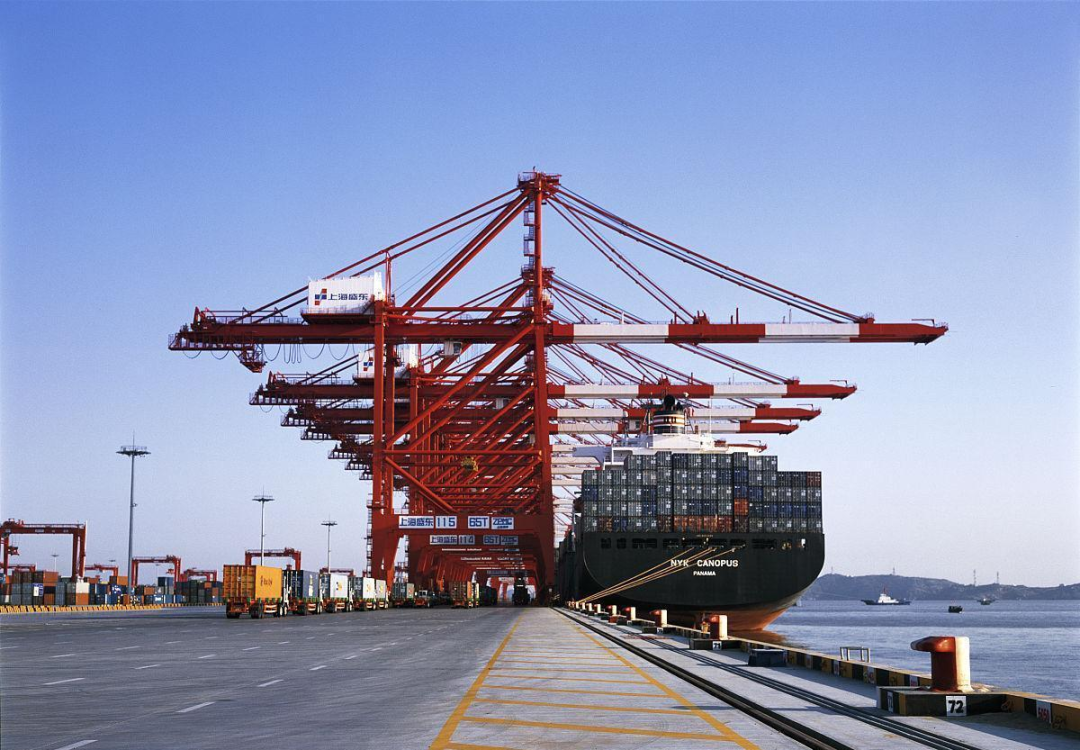
As a leading international freight forwarder based in Shenzhen, the heart of China's electronics and new energy manufacturing hub, we understand the critical role lithium batteries play in your supply chain. Powering everything from consumer electronics to electric vehicles, they are rightfully called the "new oil" of our era. China, as the world's dominant producer accounting for over 59% of global shipments, is a primary source for these essential components.
However, alongside their immense value comes a significant logistics responsibility: lithium batteries are classified as Class 9 Dangerous Goods under international transport regulations, including the IMDG Code for sea freight and the IATA DGR for air cargo. Their transport is strictly governed to ensure safety throughout the global supply chain.
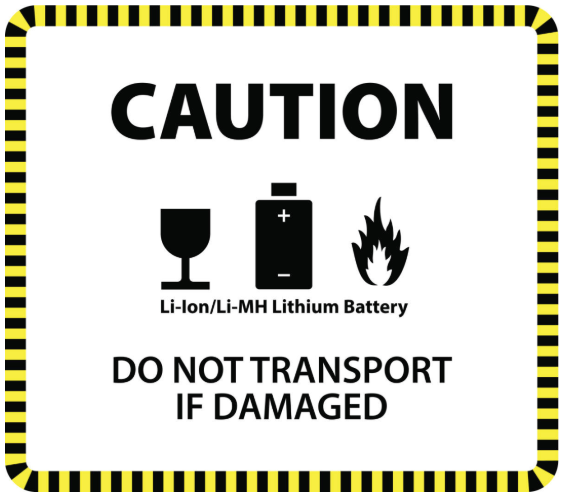
To demystify the process and ensure your shipments are fully compliant, safe, and avoid costly delays, we outline the mandatory "four checkpoints" every lithium battery shipment from China must successfully pass:
Checkpoint 1: UN 38.3 Certification - The Foundational Safety Test
Before any battery can be offered for transport, it must undergo a rigorous series of tests outlined in the UN Manual of Tests and Criteria, Part III, subsection 38.3 (UN 38.3). This is a non-negotiable prerequisite. The tests simulate extreme transport conditions:

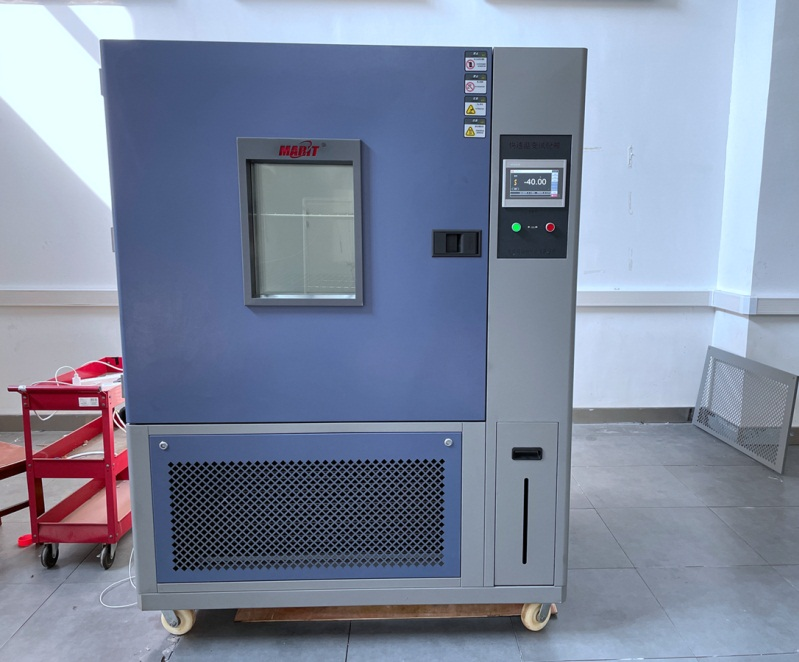
- Environmental Tests: Evaluates performance under low pressure (simulating high altitude) and rapid temperature cycling from -40°C to +72°C.
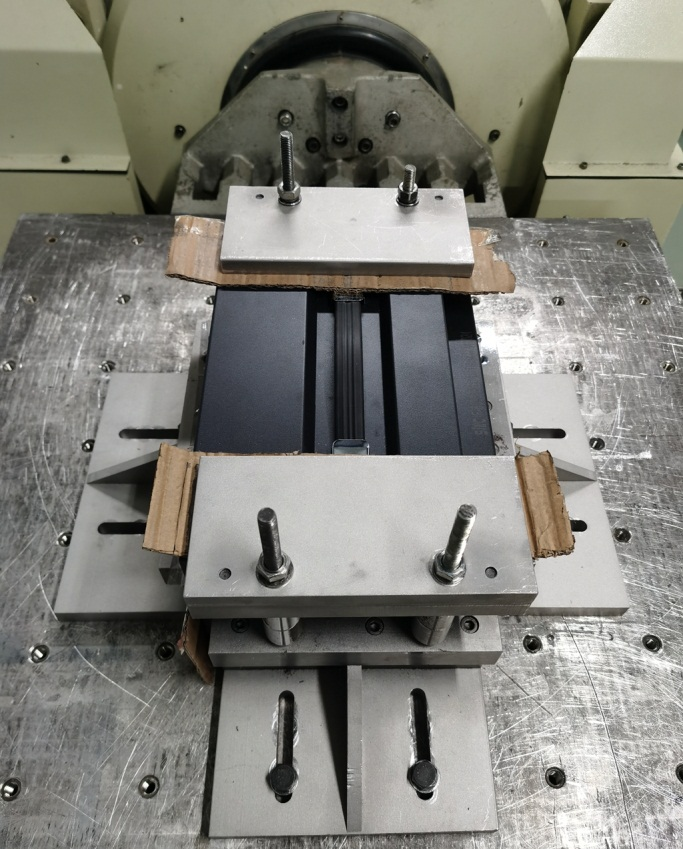
- Mechanical Tests: Includes vibration and shock tests to simulate the stresses of road and air transport, as well as crush tests for battery cells.
- Electrical Tests: Assesses safety under abusive conditions like short circuit, overcharge, and forced discharge.
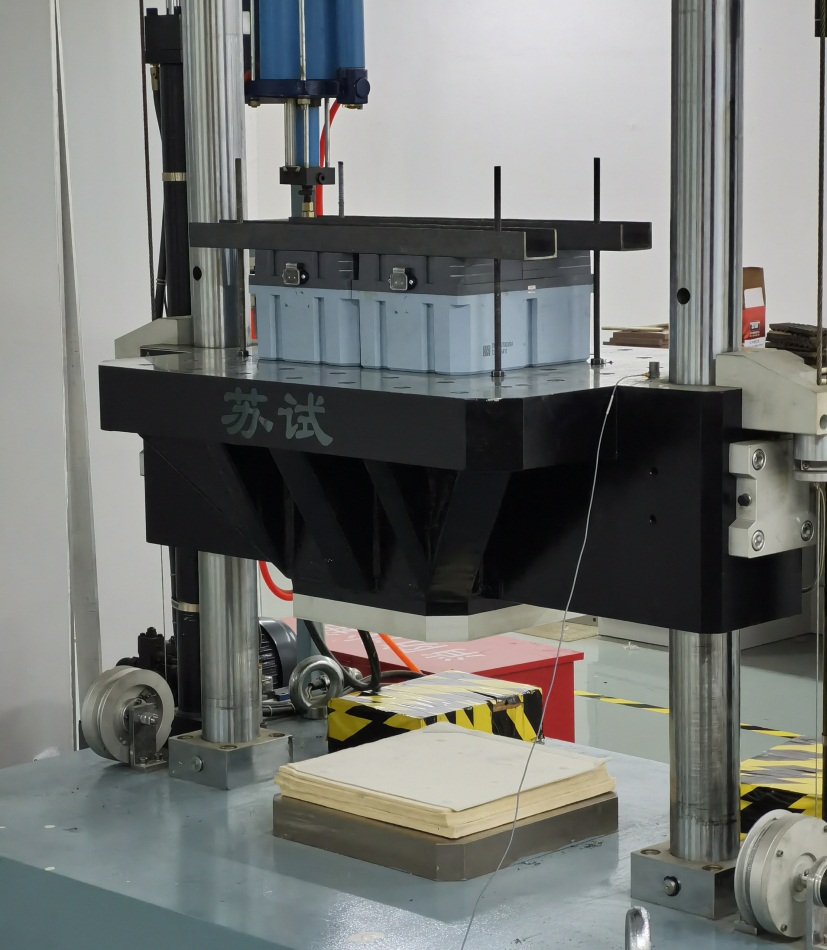
Only batteries that pass all UN 38.3 tests are deemed airworthy/seaworthy from a product safety standpoint.
Checkpoint 2: Correct Classification & UN Number Assignment
Every lithium battery shipment must be assigned the correct UN number and proper shipping name. This is based on the battery's chemistry and packaging:
- UN 3480: Lithium-ion batteries (including polymer) shipped alone.
- UN 3481: Lithium-ion batteries packed with or contained in equipment.
- UN 3090: Lithium metal batteries shipped alone.
- UN 3091: Lithium metal batteries packed with or contained in equipment.
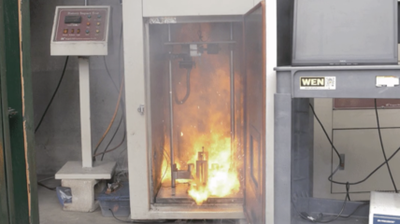
Accurate classification is the first step in preparing compliant shipping documentation and packaging.
Checkpoint 3: Dangerous Goods Packaging & Marking
Batteries must be packed in UN-certified packaging designed to prevent short circuits, movement, and damage. Packages must withstand the rigors of transport and be appropriately marked and labeled with:
- The correct UN number and proper shipping name.
- The Class 9 hazard label.
- The "Lithium Battery" handling mark (when required by the regulations).
- The "Cargo Aircraft Only" label for most lithium-ion batteries shipped by air.
Checkpoint 4: Obtaining the "Dangerous Goods Packaging Use Qualification Certificate"
This is the final and crucial administrative step for sea freight exports from China. After the batteries are packed into the certified dangerous goods packaging, a China Customs-affiliated inspection agency conducts a Use Qualification Inspection. They verify:
- Package integrity and suitability.
- Correct marking and labeling.
- Secure packing to prevent short circuits.
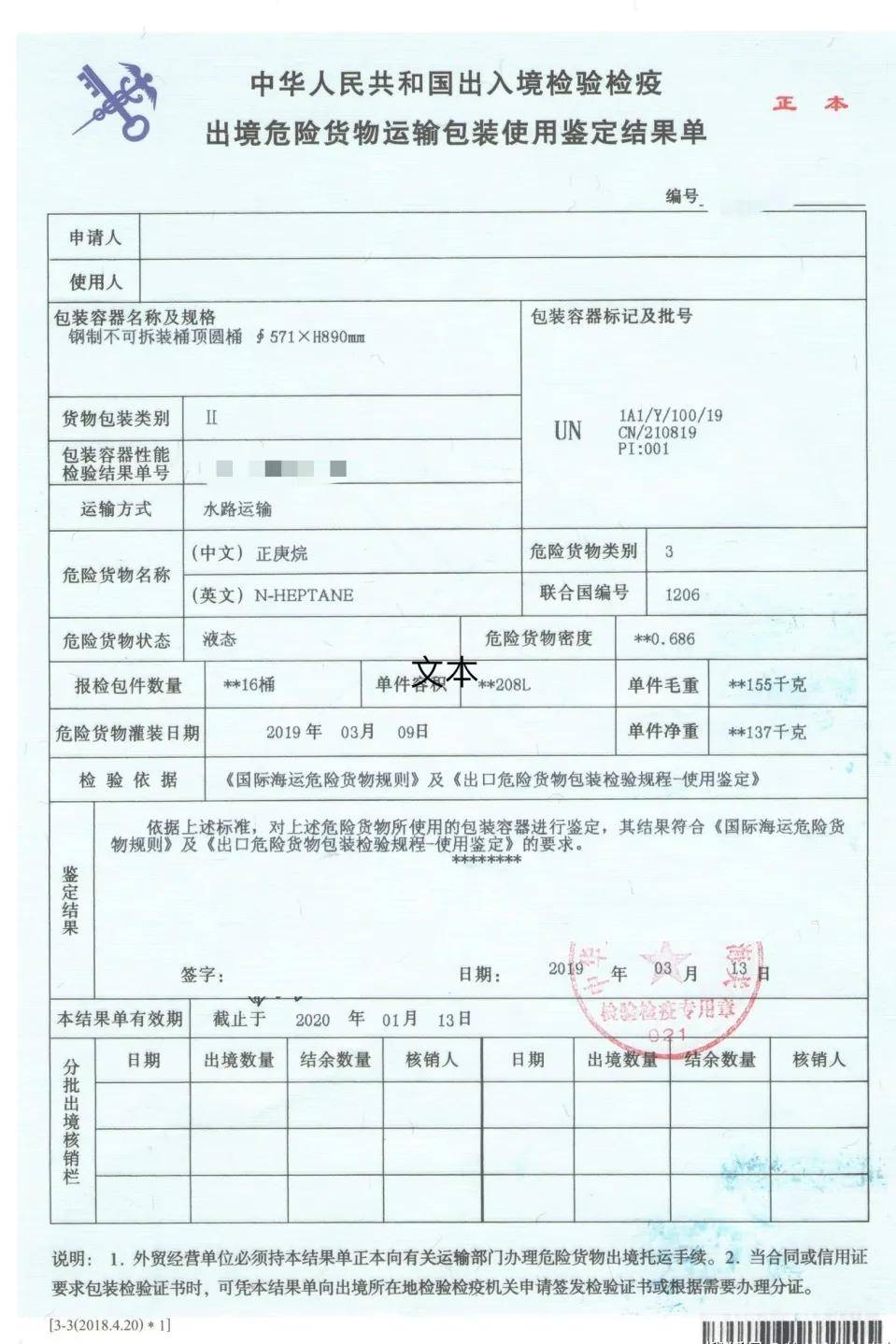
Upon passing, they issue the official "Dangerous Goods Transport Packaging Use Appraisal Result Sheet" (commonly called the or DG Packaging Certificate). This document is mandatory for booking vessel space and clearing Chinese export customs for dangerous goods.
Our Role as Your Forwarder:
Navigating these complex regulations, coordinating testing, arranging inspections, and preparing the extensive documentation (DG Declaration, MSDS, 危包证, etc.) requires expertise. Our team specializes in end-to-end dangerous goods logistics, ensuring your lithium battery shipments are not only compliant but also optimized for efficiency and cost.
By partnering with a knowledgeable forwarder, you mitigate risk, ensure supply chain continuity, and contribute to the safe global transport of the technologies driving our sustainable future.