
A Professional Guide to the Transportation of Refrigerants and Refrigeration Equipment
—— A Focus on Shipping Refrigerants from China
By Your Global Logistics Partner
To our valued customers, manufacturers, and supply chain partners involved in international trade, particularly those sourcing or exporting appliances like air conditioners and refrigerators from China: understanding the regulatory framework for transporting the chemicals inside these products is crucial for safe, compliant, and efficient logistics. This guide, written from the perspective of international freight forwarding and dangerous goods (DG) compliance, clarifies the classification and shipping requirements for refrigerants.
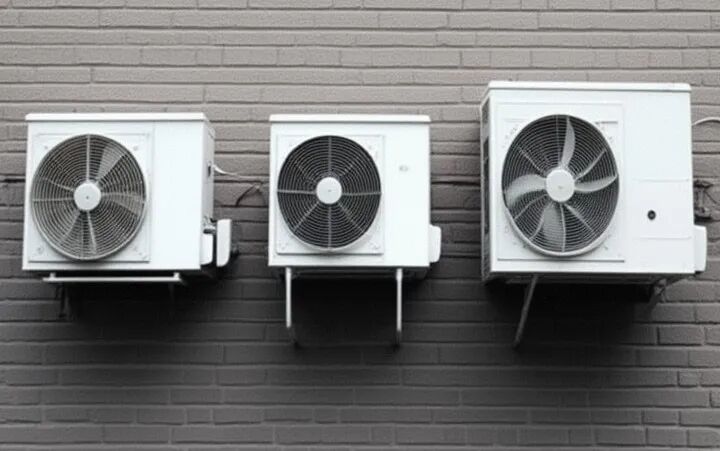
Part 1: Refrigerants at a Glance
Refrigerants are the working fluids within cooling systems, enabling the heat transfer cycle. Their environmental impact and chemical composition define their regulatory status. The mainstream categories are:
| Category | Examples | Characteristics | Status |
|---|---|---|---|
| CFCs | R12 | High ODP, High GWP | Globally banned |
| HCFCs | R22 | Measurable ODP | Phased out in new equipment |
| HFCs | R410A, R32, R134a | ODP=0, some have high GWP | Current mainstream, transitioning to low-GWP |
Three key metrics define a refrigerant's performance and regulatory profile: ODP (Ozone Depletion Potential), GWP (Global Warming Potential), and the energy efficiency coefficient (COP).
Part 2: Transportation as Regulated Dangerous Goods
For logistics purposes, the physical hazards of refrigerants during transport are classified under the UN Model Regulations, predominantly within Class 2: Gases.
- Division 2.1: Flammable gases (e.g., R152a, UN1030).
- Division 2.2: Non-flammable, non-toxic gases (The majority, e.g., R134a/UN3159, R410A/UN3337, R22/UN1018).
- Division 2.3: Toxic gases (e.g., R1113, which is also flammable, UN1082).
Bulk or Pure Refrigerant Gases:
When transported as dedicated cargo (e.g., in cylinders or ISO tanks), they are almost always regulated as dangerous goods. They must be assigned the correct UN Number and shipped according to the corresponding packing instructions (e.g., P200 series for cylinders). Most common refrigerants are well-understood substances with standardized shipping requirements.
Refrigerants Contained within Equipment:
This is the most common scenario for finished goods like AC units or refrigerators. The rules differ significantly and offer critical exemptions.
Equipment with Flammable Refrigerant:
Classification: UN 3358, REFRIGERATING MACHINES containing flammable, non-toxic, liquefied gas.
Exemption (SP291): If the net quantity of flammable liquefied gas is less than 12 kg and contained within a hermetically sealed assembly (designed to withstand 3x working pressure), the shipment is not subject to the IMDG Code/IATA DGR regulations and can be transported as general cargo.
Equipment with Non-Flammable Refrigerant:
Classification: UN 2857, REFRIGERATING MACHINES containing non-flammable, non-toxic gas or ammonia solution.
Exemption (SP119): If the net quantity of Division 2.2 gas is less than 12 kg (or less than 12L for ammonia solution, UN2672), the shipment is not subject to the regulations and can be transported as general cargo.
Key Shipping Advantages for Pre-Charged Equipment:
- Packaging Flexibility: UN 2857 and UN 3358, under Packing Instruction P003, do not require performance-tested packaging for the machine itself. Per Special Provision PP32, units with a strong outer casing (like a compressor shell or appliance cabinet) can be shipped unpacked, on a skid, or in a simple protective crate.
- Simplified Documentation: When the sub-12kg exemption is met, full dangerous goods documentation (DGD, Shipper's Declaration) is not required.
Part 3: Actionable Insights for Your Supply Chain
For Procurement/Manufacturing: Know the refrigerant (type, quantity) inside your products. Using a refrigerant with a GWP below common thresholds (like R32 vs. R410A) can align with ESG goals and future-proof against tightening regulations like the EU F-Gas Regulation.
For Export/Logistics Planning:
- Verify Content: Confirm the exact refrigerant and its net weight per unit.
- Apply the 12kg Rule: This is the key determinant. Below 12kg, you likely ship as general cargo. At or above 12kg, full DG regulations apply (classification, packaging, marking, documentation).
- Leverage the Exemption: For exempted shipments, ensure the commercial invoice or packing list clearly states: "REFRIGERATING MACHINES, containing [R-xxx], less than 12 kg net gas per unit, not subject to IMDG Code/IATA DGR per SP291/SP119."
- Consult Your Freight Forwarder: Always provide full product specifications to your logistics partner early in the process. A qualified DG specialist can provide the final, binding classification and ensure all conditions for exemption are met.
Conclusion
Shipping products containing refrigerants does not automatically mean complex and costly dangerous goods procedures. The international transport codes provide clear, practical exemptions for pre-charged equipment containing limited quantities. By understanding the 12kg threshold, the distinction between flammable (UN3358) and non-flammable (UN2857) gases, and the associated special provisions, shippers can achieve both regulatory compliance and operational efficiency. As your logistics partner, we are here to navigate these regulations with you, ensuring your goods move safely and seamlessly from factory to destination.