
Safety Data Sheet (SDS) in Chemical Transport: A Guide for Shippers & Consignees
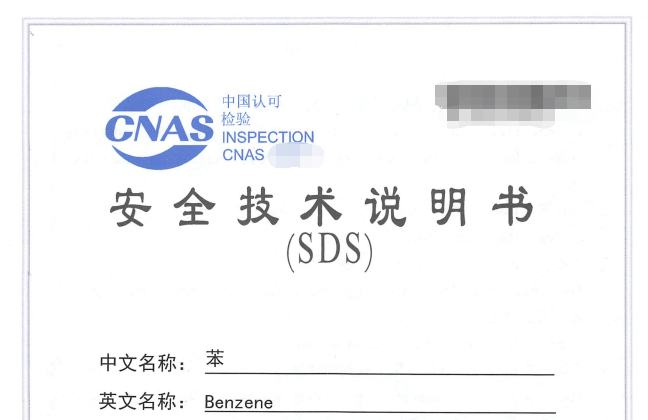
For global supply chains, the movement of chemical products is routine. However, ensuring their safe and compliant transport is a complex, non-negotiable responsibility shared by all parties in the logistics chain, from the manufacturer to the end receiver. This article, from the perspective of international logistics, clarifies the indispensable role of a key document: the Safety Data Sheet (SDS), in the maritime and air transport of chemicals and dangerous goods.
1. What is an SDS and Why is it Critical for Logistics?
The Safety Data Sheet (SDS) is a comprehensive technical document prepared by the chemical manufacturer or supplier. It provides critical information on a substance's or mixture's physical/chemical properties, health and environmental hazards, and detailed guidance for safe handling, storage, transportation, and emergency response.
In logistics, the SDS is not just an informational sheet; it is a foundational safety and compliance document. Its primary functions are to:
- Identify Hazards: Clearly classify the product's dangers (e.g., flammable, corrosive, toxic).
- Guide Safe Handling & Storage: Instruct warehouse personnel, freight forwarders, and port workers on proper operational procedures, segregation requirements, and storage conditions to prevent accidents.
- Ensure Emergency Preparedness: Provide first-aid measures, fire-fighting advice, and spill response procedures, enabling a swift and correct reaction during incidents on the vessel, at the airport, or in transit.
- Facilitate Regulatory Compliance: Serve as evidence that the shipment's hazards are documented and communicated according to international and national regulations.
Note: While the term MSDS (Material Safety Data Sheet) is still used in some regions, the SDS format, aligned with the Globally Harmonized System of Classification and Labelling of Chemicals (GHS), is now the global standard. An SDS compliant with the destination market's regulations is mandatory.
2. The SDS in the Transportation Process: Key Applications
The SDS is actively used and referenced at multiple stages of the shipment lifecycle:
- Packaging & Declaration: Forwarders and shippers use the SDS to verify that the selected packaging meets UN performance standards for the specific hazard class and to ensure the shipment is correctly declared for transport (e.g., Proper Shipping Name, UN Number, Class/PG on the Dangerous Goods Declaration).
- Cargo Acceptance & Booking: Carriers (shipping lines, airlines) and terminals often require a valid SDS as part of their cargo acceptance procedures for dangerous or chemical goods. It is essential for their risk assessment and stowage planning.
- In-Transit Safety: The SDS provides crucial information for the vessel's master, airline crew, or truck driver on how to monitor the cargo and what actions to take in case of leakage, fire, or other emergencies during transit.
- Port/Airport Operations: Ground handling teams at ports and airports rely on the SDS for safe loading/unloading operations, spill containment, and determining compatibility with other cargo during temporary storage.
- Customs Clearance & Regulatory Checks: Customs authorities and other regulatory bodies (e.g., Coast Guard, Port State Control, Civil Aviation Authority) in many countries may request the SDS to verify the nature of the goods and ensure compliance with import/export regulations.
3. Understanding Regional SDS Requirements: A Logistics Compliance Must
A critical challenge in international chemical logistics is that SDS requirements are governed by regional regulations. Using an incorrect or outdated SDS version can lead to cargo rejection, fines, or delays. The three primary formats relevant for shipments originating from or passing through these regions are:
China (GB Format):
For chemicals exported from China, the SDS must comply with the Chinese national standard GB/T 16483. It contains 16 sections aligned with GHS and must be provided in Chinese. It is a core document for China's customs declaration for dangerous goods.
United States (OSHA Format):
For shipments to the U.S., the SDS must align with the Occupational Safety and Health Administration (OSHA) Hazard Communication Standard (HCS 2012). It follows the 16-section GHS structure and is typically in English.
European Union (EU CLP Format):
For the EU market, the SDS is mandated under the REACH and CLP Regulations. It must be in an official language of the member state where the substance or mixture is placed on the market. A significant update: as of January 1, 2023, the format specified in Regulation (EU) 2020/878 is mandatory. Using an old format SDS for EU-bound shipments is non-compliant.
Key Takeaway for Consignees/Shippers: Always confirm with your freight forwarder or supplier that the provided SDS is the correct, updated version for the country of destination, not just the country of origin. The SDS is a dynamic document and must be revised when new safety information becomes available.