
Safe Transport of tert-Butyl Peroxybenzoate (TBPB) in International Logistics
As a leading international freight forwarder based in Shenzhen, China, we are committed to ensuring the safety and compliance of your global shipments. With rising global temperatures posing significant risks to certain cargo types, we wish to draw your professional attention to the secure transportation of a specific chemical commonly used in manufacturing: tert-Butyl Peroxybenzoate (TBPB).
This advisory aims to provide international buyers, procurement managers, and logistics partners with essential technical knowledge for safely handling TBPB via ocean freight or air cargo, aligning with global dangerous goods regulations.
1. Substance Identification & Classification
- Chemical: tert-Butyl Peroxybenzoate (TBPB)
- UN Number: UN 3103
- IMO/ICAO Class: 5.2 (Organic Peroxide, Type C, liquid)
- Description: A colorless to pale yellow liquid with a faint aromatic odor. It is insoluble in water but soluble in organic solvents. TBPB is primarily used as a polymerization initiator and chemical intermediate.
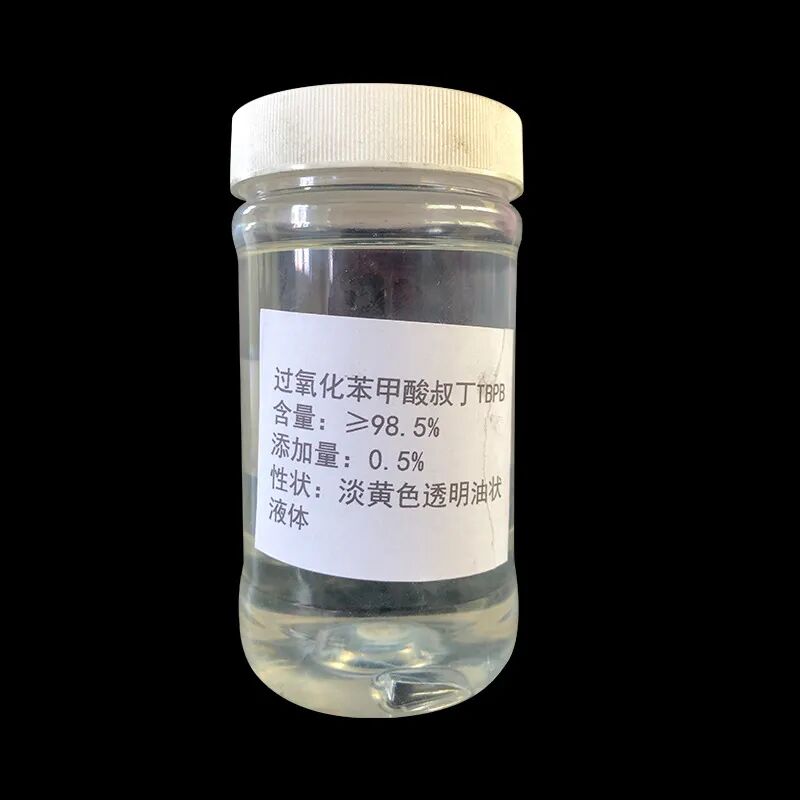
2. Primary Hazard Profile
TBPB is a thermally unstable substance with strong oxidizing properties. Its key risks under transportation conditions include:
- Thermal Decomposition: It is prone to self-accelerating decomposition when exposed to heat, friction, or impact. This exothermic reaction can generate heat and harmful gases (e.g., benzene, methane).
- Runaway Reaction Risk: If heat generation exceeds dissipation, a dangerous temperature increase can lead to a thermal runaway, potentially resulting in fire or explosion.
- Incompatibility: It reacts dangerously with acids, alkalis, and certain metals, which can catalyze decomposition.
3. Regulatory Compliance & Packaging
- Packaging: Must comply with Packing Group II standards and packing instruction OP5. As per IBC520, the maximum capacity for inner receptacles in combination packaging is 30L. Approved packages include specific drums, jerricans, or composite packaging with plastic inner receptacles.
- Limited & Excepted Quantities: Transport under Limited Quantity is authorized up to 25mL per inner package. Excepted Quantity (EQ) transport is also permitted under code E0.
4. The Critical Control: Temperature
- Self-Accelerating Decomposition Temperature (SADT): The SADT for TBPB is 55°C (131°F), as per the UN Manual of Tests and Criteria.
- Transport Condition Mandate: Temperature-controlled transportation is strongly recommended whenever the ambient temperature en route is forecast to approach or exceed 55°C. This is the single most critical operational control for mitigating decomposition risk.
5. Stowage & Segregation Requirements (Ocean Transport)
- Stowage Category: Category D (On deck only).
- "Keep Away From" Sources of Heat: Cargo must be stowed at least 2.4 meters from any ship structure (e.g., bulkheads, decks) whose surface temperature may exceed 55°C.
- Segregation: Strict segregation from acids and alkalis is mandatory. Co-stowage with other organic peroxides is only permitted upon confirmed compatibility to prevent dangerous interactions.
6. Emergency Response Preparedness
Personnel must be trained on the relevant Emergency Response Procedures:
- Fire (EMS Guide: F-J): Use water spray, fog, or standard foam. Dry chemical or CO₂ are also acceptable. Firefighters must wear full protective gear and SCBA, attacking from upwind at a safe distance.
- Spill/Leak (EMS Guide: S-R): Eliminate all ignition sources. Wear positive-pressure SCBA and chemical-protective clothing. Contain the spill if safe to do so. Carefully flush contamination overboard with copious amounts of water, and remove damaged packages from the vessel.
- Exposure: Skin/Eye Contact: Immediately remove contaminated clothing and flush affected area with plenty of water for at least 15 minutes. Seek immediate medical attention.
Key Takeaway for Safe Shipment
Transporting TBPB requires meticulous planning and strict adherence to the IMDG Code (sea) or IATA DGR (air). The 55°C SADT is the paramount risk parameter. Shippers and carriers must collaborate to:
- Assess seasonal and route-specific temperature exposures.
- Implement active temperature control when necessary.
- Ensure all packaging, documentation, stowage, and segregation protocols are fully compliant.
By prioritizing these safety measures, we protect not only the cargo but also the crew, the environment, and the integrity of the global supply chain.
For specific questions regarding your TBPB shipments or other dangerous goods logistics, please contact our dedicated hazardous materials logistics team.
Disclaimer: This advisory is for informational purposes based on IMDG Code and IATA DGR regulations. Always consult with certified dangerous goods professionals for specific cargo requirements.