
A Critical Guide for Importers: Ensuring Compliant Wood Packaging from China to Avoid Costly Delays
Introduction: Why Wood Packaging Compliance is Non-Negotiable in Global Logistics
For international buyers sourcing products from China, particularly in sectors like chemicals, pharmaceuticals, or precision machinery where shipping security is paramount, understanding customs regulations is as crucial as the product specification itself. One of the most common yet overlooked reasons for cargo detention, rejection, or destruction at ports worldwide is non-compliant wood packaging materials (WPM).
This guide, from an international logistics and freight forwarding perspective, explains China's mandatory phytosanitary measures for WPM, aligns them with global standards, and provides actionable steps for importers to protect their supply chain from preventable disruptions and financial penalties.
1. What Qualifies as Wood Packaging Material (WPM)?
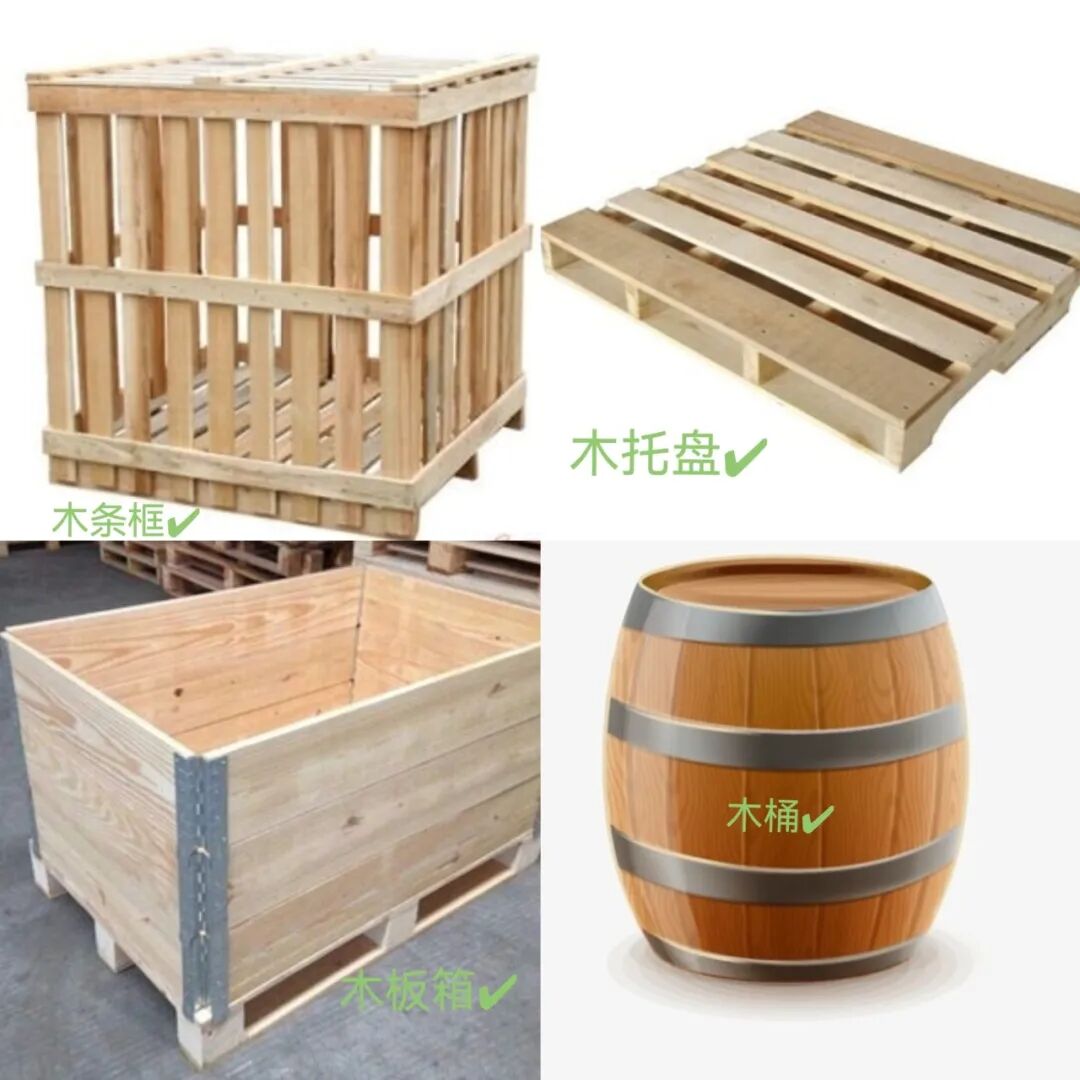
Wood Packaging Material (WPM) refers to all wood or wood products (excluding paper products) used in supporting, protecting, or carrying a commodity. This includes:
-
Common Types: Pallets, crates, boxes, cases, drums, load boards, dunnage, and spools.
-
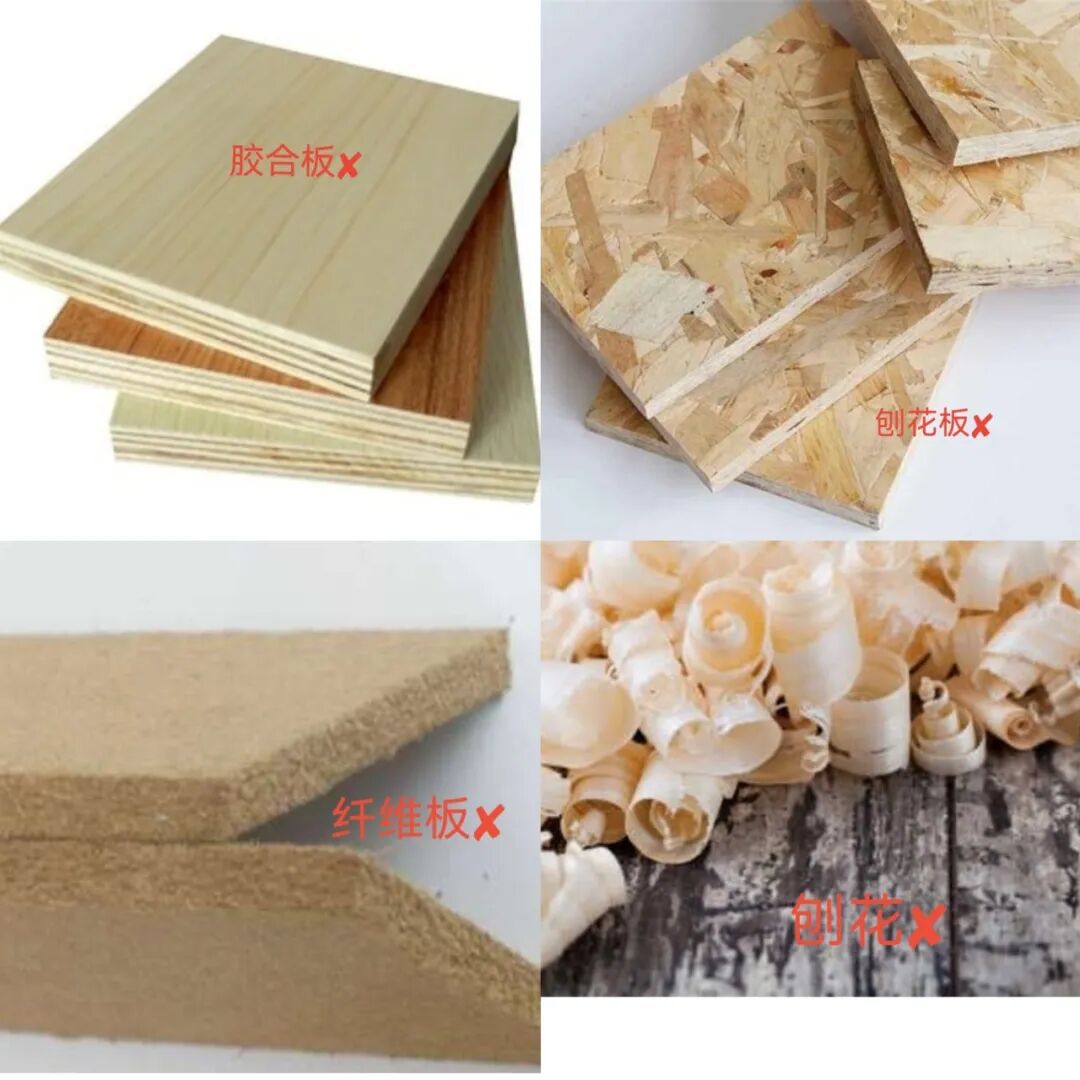
Key Exclusions: The definition excludes engineered wood products like plywood, particle board, oriented strand board (OSB), or fiberboard, which are created using glue, heat, or pressure. It also excludes wood pieces with a thickness of 6mm or less.
2. The Global Mandate: Why is WPM Treatment Required?
Raw wood is a high-risk pathway for the international spread of destructive pests and plant diseases, such as the pinewood nematode or the Asian longhorned beetle. These pests pose severe threats to forests, agriculture, and the environment in importing countries.
To mitigate this biosecurity risk, the International Plant Protection Convention (IPPC) has established International Standards for Phytosanitary Measures No. 15 (ISPM 15). This global standard mandates that all WPM used in international trade must undergo approved phytosanitary treatment and bear a standardized mark. Nearly all of China's trading partners, including the USA, EU, Canada, Australia, and Japan, enforce ISPM 15 regulations. Non-compliant shipments will be refused entry, ordered for re-export, or destroyed at the importer's expense.
3. The Compliance Passport: The IPPC Mark and Approved Treatments
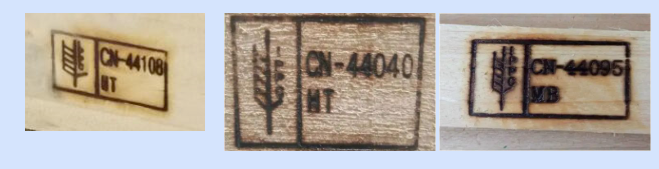
The visible proof of compliance is the IPPC Mark, which must be permanently applied to at least two opposite sides of the treated WPM.
IPPC Mark Breakdown:
- XX: Two-letter country code (e.g., CN for China).
- YYY: Unique number of the treatment facility certified by China's customs authorities (GACC).
- 00000: Code indicating the specific treatment applied (see below).
Approved Phytosanitary Treatments (per ISPM 15):
WPM must be treated using one of the following GACC-approved methods:
- Heat Treatment (HT): The wood is heated in a chamber to achieve a minimum core temperature of 56°C for at least 30 minutes.
- Methyl Bromide Fumigation (MB): Fumigation with methyl bromide gas under controlled conditions.
- Dielectric Heating (DH): Treatment using microwave technology to rapidly raise the wood's temperature.
4. How Chinese Customs (GACC) Enforces WPM Regulations
China's General Administration of Customs (GACC) exercises strict control over WPM producers and exporters:
- Licensing System: Only facilities licensed and audited by GACC are authorized to perform treatments and apply the official IPPC mark. A public register of these certified facilities is maintained.
- Export Inspection: GACC conducts random inspections on export shipments. WPM found without a valid IPPC mark or showing signs of infestation will result in the entire shipment being held and barred from export until the issue is rectified.
5. A Costly Lesson: The Real-World Impact of Non-Compliance
Case Study (Documented by Chinese Customs): In 2019, a Hunan-based exporter used untreated wood crates for a shipment to Spain. Spanish customs authorities detected live pests, leading to:
- On-the-spot fines.
- Mandatory and costly re-treatment or destruction of the cargo at the Spanish port.
- Significant delivery delays, violating contractual terms with the end customer.
The total estimated loss for the exporter exceeded 300,000 RMB (approx. $42,000 USD), a loss that could have been avoided with compliant packaging.
6. Actionable Advice for International Buyers: How to Secure Compliant Shipments
As the importer and consignee, you bear the ultimate risk and cost of non-compliance. Protect your shipments by taking these proactive steps with your Chinese suppliers and freight forwarder:
- Specify Compliance in Your Purchase Order: Explicitly state in your contract and purchase order that "All wood packaging materials must comply with ISPM 15 standards, bear the official IPPC mark, and be sourced from a GACC-certified facility."
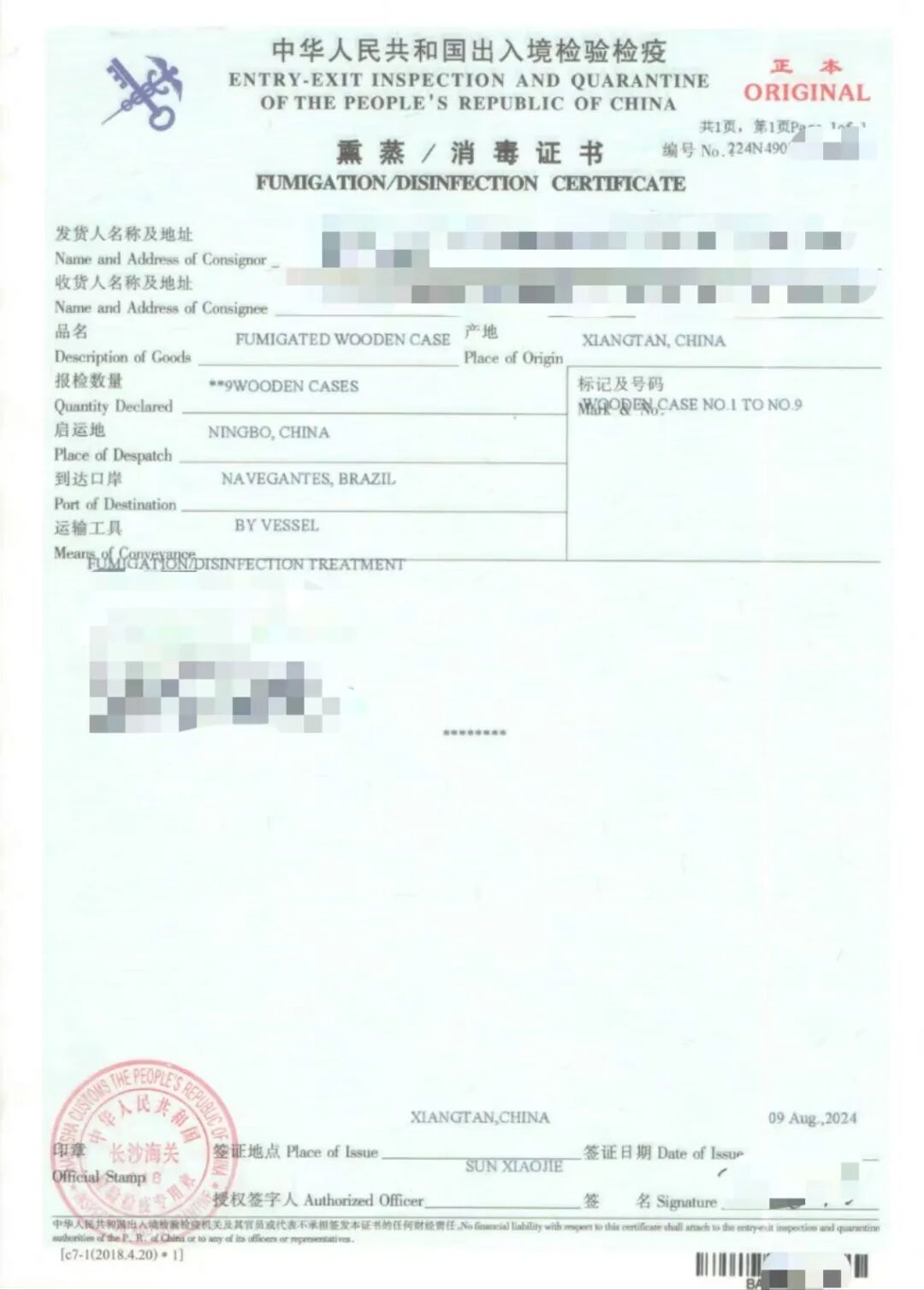
- Request Documentation: Demand that your supplier provides a copy of the "Phytosanitary Treatment Certificate for Export Wood Packaging" or the fumigation certificate issued by the treatment facility. This is your due diligence proof.
- Verify During Pre-Shipment Inspections: If you conduct pre-shipment inspections (PSI), include a check for the correct, legible IPPC mark on all wooden items as part of the protocol.
- Choose a Knowledgeable Logistics Partner: Work with a freight forwarder (like us) with expertise in Chinese export regulations. We can verify supplier claims and ensure all documentation is in order before the container is sealed and gated in.
- Never Risk Fraud: Do not accept, and warn suppliers against, falsified marks or certificates. Customs authorities worldwide are trained to detect fraud, which will lead to severe penalties, loss of trusted trader status, and long-term delays.
Conclusion
For shipments of chemicals, hazardous materials, or any time-sensitive cargo, a delay at the destination port is not just an inconvenience—it can create safety hazards, contractual breaches, and severe financial loss. Ensuring ISPM 15-compliant wood packaging is a fundamental, controllable element of your supply chain risk management. By mandating compliance from the source, you safeguard your cargo, your schedule, and your bottom line.
Key Takeaway for Importers: ISPM 15 compliance is not optional. A missing or invalid IPPC mark on wood packaging is one of the most common reasons for cargo rejection at destination ports worldwide. Always verify the mark and demand treatment certificates from your Chinese suppliers.
Critical Reminder for Global Buyers Sourcing from China: Before your cargo leaves the factory, inspect the wood packaging yourself or request clear photos showing the IPPC mark on at least two opposite sides. Never rely solely on supplier promises. When in doubt, engage your freight forwarder to conduct a pre-shipment compliance check.