
Navigating Shipping Risks: A Safety Guide for the Key Chemical "Anisole" in International Logistics
—— A Focus on Shipping Anisole from China
Introduction
Safety is the cornerstone of chemical logistics within the global supply chain. This article provides a professional overview of the transportation requirements for Anisole, a vital raw material for the fragrance, pharmaceutical, and chemical industries. Understanding its properties and associated risks is crucial for all stakeholders in the supply chain.
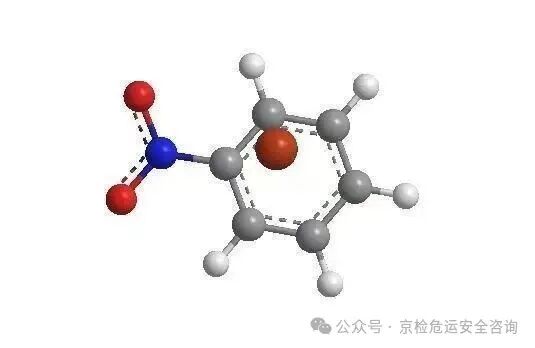
Part 1: Product Identification and Hazard Profile
- Proper Shipping Name: Anisole
- UN Number: UN 2222
- Hazard Class: As per the International Maritime Dangerous Goods (IMDG) Code, it is classified as Class 3 Flammable Liquids, Packing Group III.
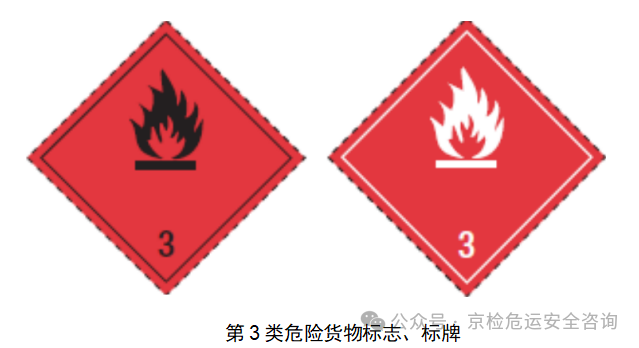
Key Hazards:
Anisole is a colorless to pale yellow liquid with a pleasant aromatic odor. However, its physicochemical properties pose significant risks during maritime transport:
- High Flammability and Explosive Risk: With a flash point of 41°C and an extremely low Lower Explosion Limit (LEL) of 0.3%, even minor leaks can create a vapor-air mixture highly susceptible to ignition, potentially leading to fire or explosion.
- Health Hazard: It is irritating to the skin, eyes, and mucous membranes.
- Detection Challenge: Its pleasant smell can mask the initial signs of a leak, allowing hazardous vapors to accumulate if not monitored by proper gas detection equipment.
Part 2: Core Requirements for Compliant Transportation
Strict adherence to the IMDG Code is mandatory for safe transport.
Packaging and Loading
- Packaging: Packing Group III applies. Authorized packages include those meeting packing instruction P001, large packagings per LP01, or Intermediate Bulk Containers (IBCs) per IBC03. For tank containers, instruction T2 applies with a minimum test pressure of 1.5 bar. The filling degree must be carefully calculated to account for thermal expansion.
- Limited & Excepted Quantities: For small samples, transport under "Limited Quantity" (max 5L per inner packaging for PG III) or "Excepted Quantity" (E1 category) rules is possible, subject to specific packaging and marking requirements.
Shipboard Stowage and Segregation
- Stowage: Stowage category A—permitted on deck or under deck on cargo ships.
- Segregation: Critical for risk mitigation. The IMDG Code segregation table must be strictly followed. Key examples for Anisole (Class 3):
IMDG Segregation Requirements for Anisole (Class 3)
| Commodity Type | Class/Division | Segregation Required |
|---|---|---|
| Explosives | 1.1, 1.2, 1.3, 1.5 | "Separated from" — complete compartment or hold |
| Flammable Gases | 2.1 | "Separated from" |
| Oxidizing Substances | 5.1 | "Separated from" |
| Toxic Substances | 6.1 | "Away from" |
| Other Flammable Liquids | 3 | "Away from" |