
Critical Advisory: Differentiating Calcium Carbide (UN 1402) from Calcium Carbonate to Ensure Safe and Compliant Transportation in International Logistics
—— A Focus on Shipping Calcium Carbide from China
Introduction
In the realm of international freight transportation, particularly for chemical commodities, accurate identification and declaration of goods are not merely administrative formalities but fundamental pillars of safety and regulatory compliance. A recent incident, where a shipment declared as harmless "Calcium Carbonate" was found to contain the hazardous material "Calcium Carbide," underscores a serious and potentially catastrophic risk stemming from the similarity in their names. This article, from the perspective of international logistics and supply chain safety, aims to clarify the critical distinctions between these substances, explain the severe dangers of misdeclaration, and outline the mandatory regulations for their transport, especially by sea or air.
The Crucial Distinction: A Matter of Safety vs. Hazard
Despite the single-word difference in their names, Calcium Carbonate and Calcium Carbide represent two entirely different classes of materials with opposing risk profiles.
Calcium Carbonate
This is a stable, naturally occurring mineral (found in limestone, marble, and stalactites) and is commonly used in various industries, including pharmaceuticals, food, and construction. In transportation, it is typically classified as a non-hazardous, general cargo. No special dangerous goods (DG) handling, documentation, or segregation is required for its shipment.
Calcium Carbide (UN 1402)
This is a Dangerous Good under international transport regulations. It is classified under Class 4.3: Substances which, in contact with water, emit flammable gases. Its primary and severe hazard is its violent reaction with moisture or water, which rapidly generates Acetylene gas – a highly flammable and explosive substance. The heat from this reaction can ignite the Acetylene. Furthermore, Acetylene can form highly explosive mixtures with some heavy metal salts. Contact with acids also causes violent reactions. Due to these properties, it cannot be transported as general cargo.
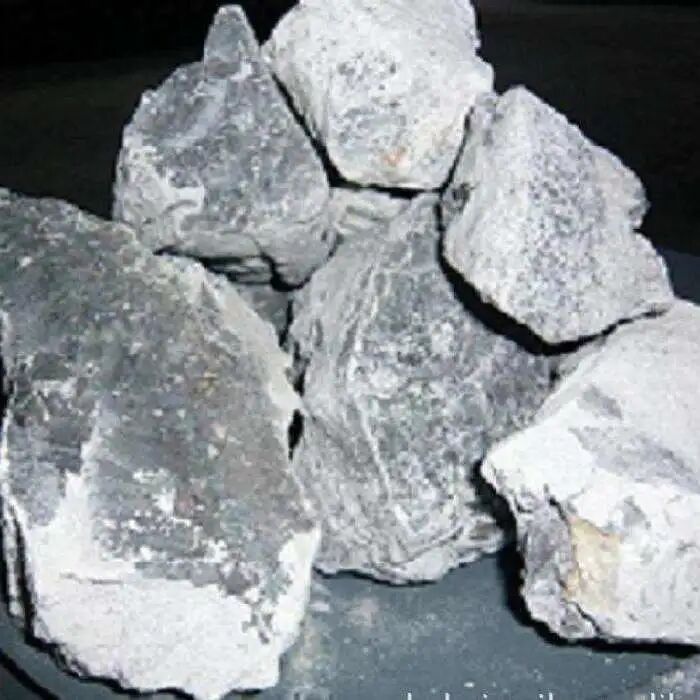
The Incident: Misdeclaration and Its Grave Implications
The referenced case involved a deliberate misdeclaration. A shipper, potentially seeking to avoid the higher costs and complex procedures associated with shipping dangerous goods, falsely declared a consignment of Calcium Carbide as Calcium Carbonate. This is a serious violation of the International Maritime Dangerous Goods (IMDG) Code for sea transport and the International Air Transport Association (IATA) Dangerous Goods Regulations (DGR) for air transport.
Such misdeclaration circumvents all critical safety protocols:
- Incorrect Packaging: Hazardous goods like Calcium Carbide require hermetically sealed, water-resistant packaging to prevent any contact with moisture during transit. General cargo packaging offers no such protection.
- Bypassed Documentation: Proper DG shipment requires a Dangerous Goods Declaration, Material Safety Data Sheet (MSDS), correct labeling, and marking, all of which were avoided.
- Ignored Segregation Rules: Hazardous goods must be stowed and segregated from incompatible substances (e.g., acids, other flammables) according to strict rules. Misdeclared goods are loaded without these precautions, creating invisible risks aboard vessels or aircraft.
- Lack of Emergency Preparedness: Crew and emergency responders rely on accurate manifests. A misdeclared hazardous material can lead to a completely wrong and potentially lethal emergency response in case of an incident like fire, water ingress, or spillage.
Regulatory Framework for Transporting Calcium Carbide (UN 1402)
The IMDG Code provides the definitive framework for the safe maritime transport of Calcium Carbide. The substance, listed under UN 1402, has specific entries based on its packaging group (which relates to the degree of danger).
| Entry | Proper Shipping Name | Class | UN No. | Special Provisions | Packing Group | Packing Instructions | Stowage & Segregation |
|---|---|---|---|---|---|---|---|
| Calcium Carbide 1 | CALCIUM CARBIDE | 4.3 | 1402 | 951 | I | P403, PP31; IBC04, B1 | Stowage Category B. "Separated from" acids. |
| Calcium Carbide 2 | CALCIUM CARBIDE | 4.3 | 1402 | 951 | II | P410, PP31, PP40; IBC07, B4, B21 | Stowage Category B. "Separated from" acids. |
Key Regulatory Requirements (Summarized from IMDG Code):
- Packaging: Must be hermetically sealed to prevent any ingress of water vapor. Allowable packaging includes specific combinations of drums, jerricans, or Intermediate Bulk Containers (IBCs) as per the listed instructions (e.g., P403, P410). The use of portable tanks is generally not permitted for UN 1402.
- Stowage: Generally assigned to Stowage Category B, meaning it is permitted on deck or under deck on cargo ships. However, it must be kept as dry as reasonably practicable.
- Segregation: Must be "separated from" Class 2.1 (flammable gases) and Class 3 (flammable liquids) with specified minimum distances (e.g., "away from" horizontally on container ships). Crucially, it must be "separated from" Class 8 acids (SG26, SG35).
- Documentation & Marking: The shipment must be accompanied by a correct Dangerous Goods Declaration. Each package must be durably marked with the proper shipping name, UN number, and the correct Class 4.3 hazard label (black/blue flame-over-circle on white background).
Conclusion and Call to Vigilance
The attempt to disguise Calcium Carbide as Calcium Carbonate is a dangerous fraud that jeopardizes entire supply chains, vessels, crew, port personnel, and the environment. While market pressures and high freight costs are challenges, they never justify circumventing life-saving regulations.
For International Buyers and Supply Chain Partners:
- Verify Declarations: Scrutinize the provided documentation (Commercial Invoice, Packing List) against the actual Material Safety Data Sheet (MSDS/SDS) of the product you are purchasing.
- Engage Reputable Partners: Work with freight forwarders and Non-Vessel Operating Common Carriers (NVOCCs) who are certified and have proven expertise in handling dangerous goods.
- Understand the Product: Know the basic chemical identity and hazards of the materials you are sourcing. "Calcium Carbide" and "Calcium Carbonate" are not interchangeable.
Safety and compliance in international logistics are shared responsibilities. Accurate classification, transparent declaration, and adherence to the IMDG/IATA Codes are non-negotiable for protecting lives, assets, and the continuity of global trade. Any deviation from these standards is an unacceptable risk.
Disclaimer: This guide provides an overview of Calcium Carbide shipping requirements based on the IMDG Code. Always consult your freight forwarder, certified dangerous goods personnel, and the latest IMO regulations for specific compliance needs. Regulations are subject to amendment.