
A Guide to Dangerous Goods Packaging: Ensuring Safety in International Transport (Ocean & Air)
Introduction
For international buyers sourcing chemical products or dangerous goods from China, understanding the fundamentals of packaging is not just a regulatory formality—it is the cornerstone of safety, compliance, and supply chain integrity. The packaging system forms the first and most critical line of defense during maritime or air transport, protecting your cargo, personnel, vessels, aircraft, and the environment. This article provides a clear overview of the standardized packaging types and key concepts as defined by the International Maritime Dangerous Goods (IMDG) Code, which is also widely referenced in air transport under IATA regulations.
Part 1: The Five Primary Types of Packaging
Internationally regulated dangerous goods packaging is categorized into five primary types, each assigned a specific numerical code for unambiguous identification in shipping documents and on package markings.
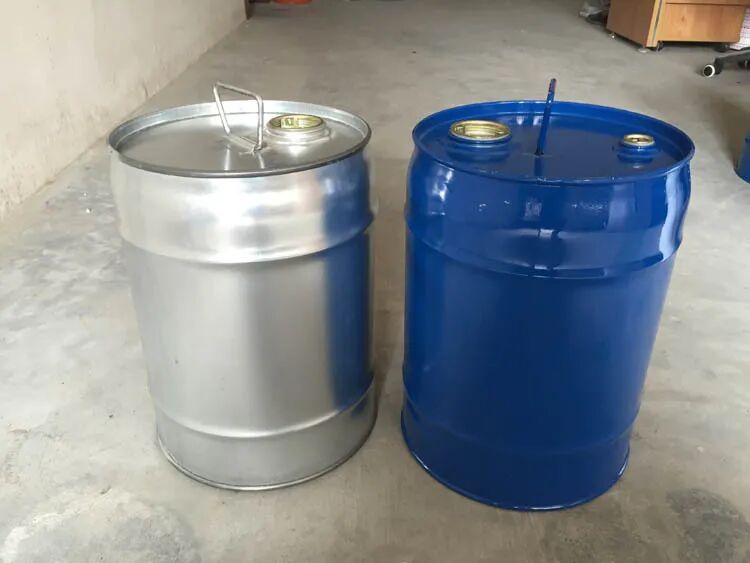 Drums (Code: 1)
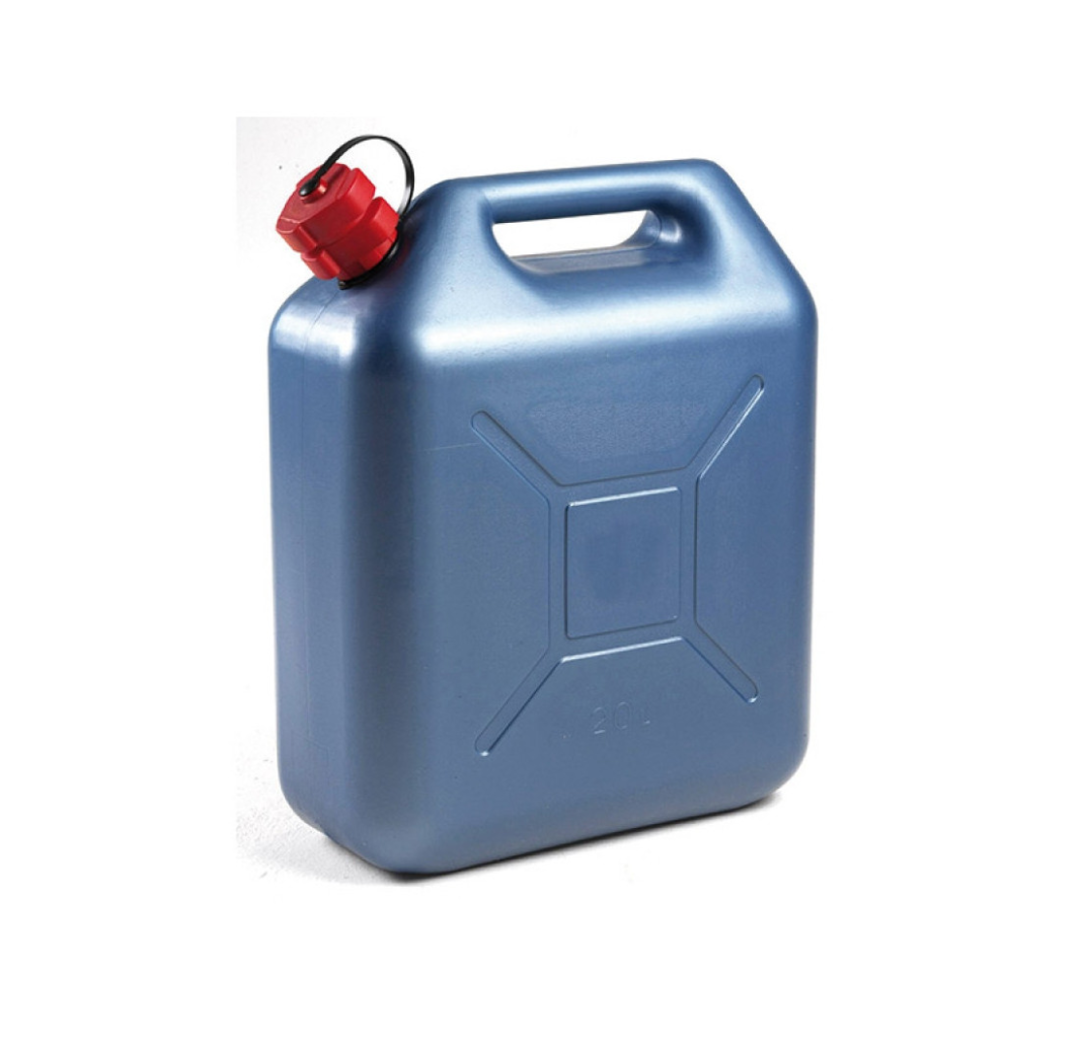 Jerricans (Code: 3)
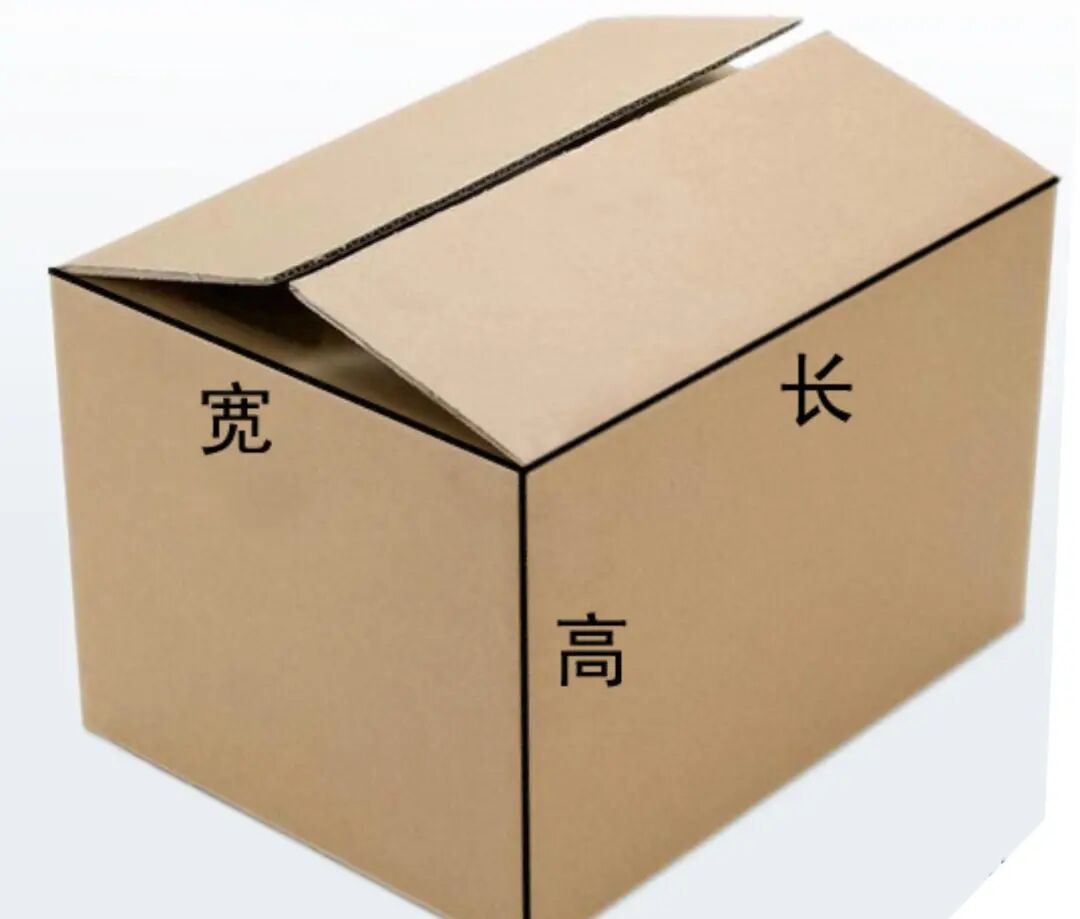 Boxes (Code: 4)
 Bags (Code: 5)
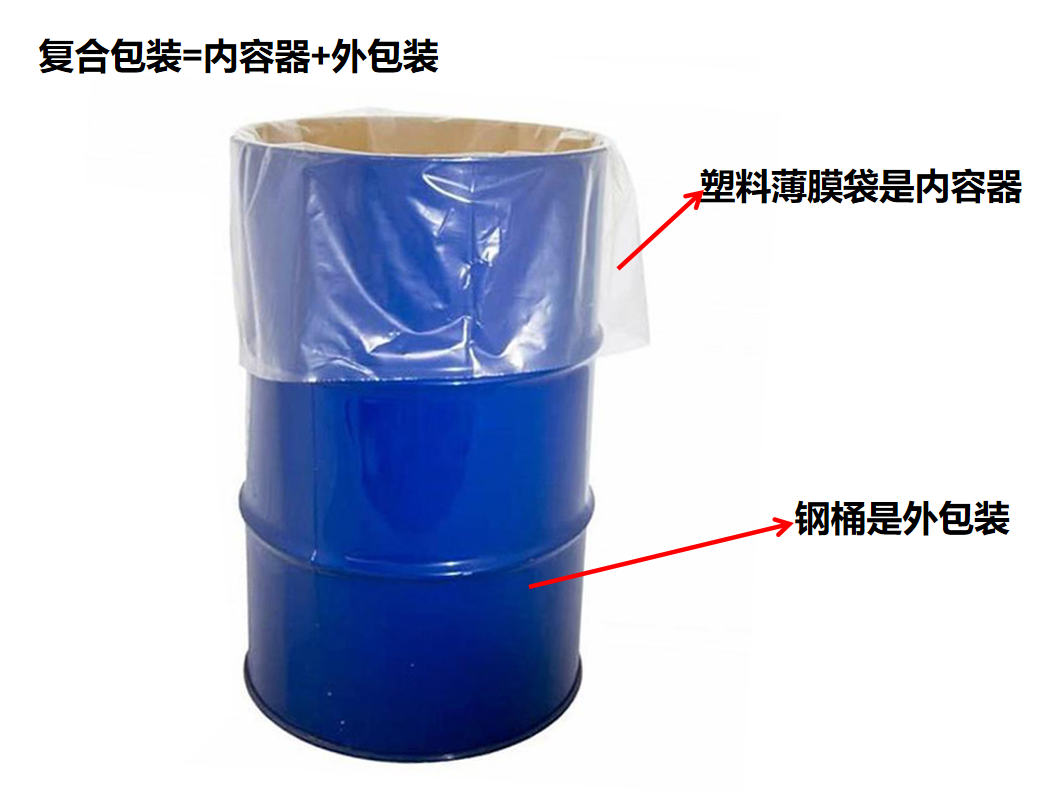 Composite Packaging (Code: 6)
| Packaging Type | Code | Description |
|---|---|---|
| Drums | 1 | A drum is a flat-ended or convex-ended cylindrical packaging made of metal, fibreboard, plastics, plywood, or other suitable materials. Excludes wooden barrels and jerricans. Versatile containers commonly used for liquids, solids, and pastes. |
| Jerricans | 3 | A jerrican is a metal or plastics packaging with a rectangular or polygonal cross-section. Its defining difference from a drum is its non-cylindrical shape, often featuring a handle and a smaller closure, suitable for smaller volumes of liquids. |
| Boxes | 4 | A box is a packaging with complete rectangular or polygonal faces, constructed from materials like metal, wood, plywood, fibreboard, or plastics. Minor perforations for handling or ventilation are permitted if they do not compromise integrity. |
| Bags | 5 | A bag is a flexible packaging made from materials such as paper, plastic film, textiles, or woven material. Typically used for solid materials, including powders and granules. |
| Composite Packaging | 6 | A composite packaging consists of an inner receptacle and an outer packaging that form a single, integrated unit. Once assembled, it is filled, stored, transported, and emptied as one complete entity. The inner receptacle provides chemical compatibility, while the outer packaging provides structural strength. |
Part 2: Essential Packaging Concepts and Terminology
Beyond the basic types, a precise understanding of related terminology is crucial for proper packing, documentation, and handling.
| Term | Definition |
|---|---|
| Package | The final, ready-for-transport product comprising the packaging and its contents. |
| Packaging | A broader term encompassing one or more receptacles and all components (e.g., closures, cushioning) necessary for containment and safety. |
| Combination Packaging | A system where one or more inner packagings (like glass bottles) are secured inside a single outer packaging (like a corrugated box). Common for fragile or low-volume dangerous goods. |
| Composite Packaging | An integrated system with an inner receptacle and outer packaging that function as a single unit. |
| Overpack | An enclosure (e.g., a pallet unitized with shrink wrap, or a large box) used by a single shipper to consolidate one or more packages into a single unit for easier handling. Original package markings must remain visible. |
| Receptacle / Inner Receptacle | The innermost vessel that holds the substance. An inner receptacle requires an outer packaging to function. |
| Outer Packaging | The external protective casing of a combination or composite packaging, which may include absorbent or cushioning materials. |
| Intermediate Packaging | A packaging placed between an inner packaging and the outer packaging for additional protection or separation. |
Why This Matters for Your Shipment
Correct packaging selection and assembly, based on the specific hazard class and properties of your goods, is mandated by international codes. It is validated through testing and certification. The packaging type, material (e.g., "A" for steel, "H" for plastic), and category are all encoded in the UN packaging mark (e.g., 1A1). Understanding these basics enables better communication with your logistics provider, ensures compliance, and significantly mitigates the risk of incidents, delays, or rejections by carriers and port authorities.
Conclusion
A foundational grasp of dangerous goods packaging is a shared responsibility in the global supply chain. As your international freight forwarder based in Shenzhen, we ensure that every shipment not only meets these complex regulations but is also executed with precision and expertise. Partnering with a knowledgeable forwarder who masters these details is the most effective step towards seamless, safe, and compliant transportation of your chemical products from China to any global destination.