
Demystifying Critical Packaging Concepts in Dangerous Goods Transportation: A Guide for Importers and Supply Chain Partners
As a leading international freight forwarder based in Shenzhen, China, we frequently assist global buyers and partners in navigating the complexities of shipping chemical and dangerous goods. A fundamental aspect of compliant and safe transport is understanding the precise terminology defined by international regulations such as the IMDG Code (International Maritime Dangerous Goods Code) and TDG (Transport of Dangerous Goods). Misunderstanding these terms can lead to non-compliance, shipment delays, and safety risks.
Four key concepts—often confused—are paramount: Packaging, Package, Combination Packaging, and Composite Packaging. Let's clarify these "four pillars" of dangerous goods containment.
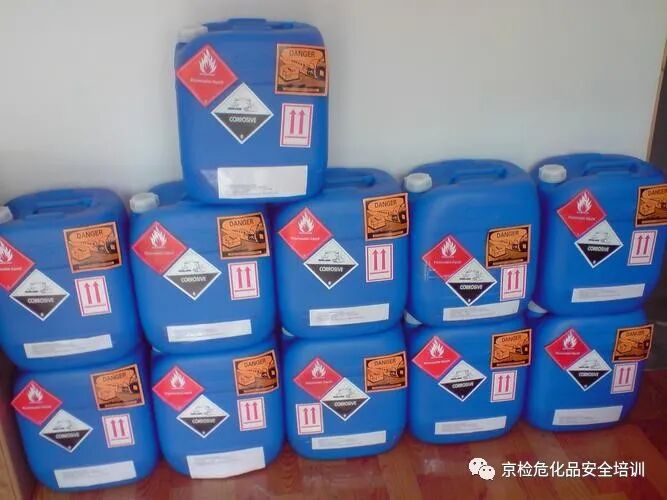
Packaging
This is the broader term for the containment system. It includes the receptacle(s) and any other components or materials necessary for the container to perform its containment and safety functions. Categories like single packagings, composite packagings, combination packagings, IBCs (Intermediate Bulk Containers), and large packagings all fall under the umbrella term "Packaging."

Package
This is the complete, shippable unit ready for transport. It is the final product of the packing operation, consisting of the packaging plus its contents.
Key Sub-Components
To fully grasp Combination and Composite packagings, we must first define three sub-components:

A packaging that requires an outer packaging for transport. It is a complete unit by itself but cannot be transported alone as it has not necessarily passed all performance tests independently.
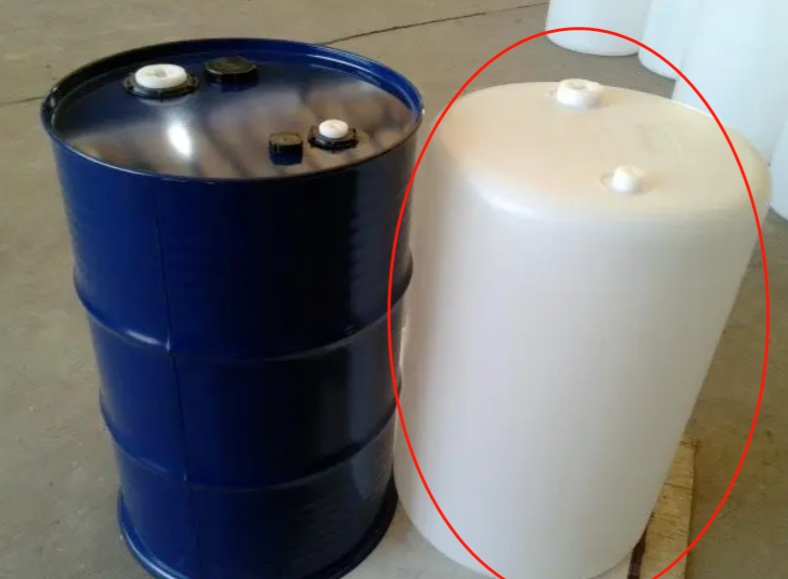
A vessel that requires an outer packaging to perform its containment function. It is an incomplete container on its own.
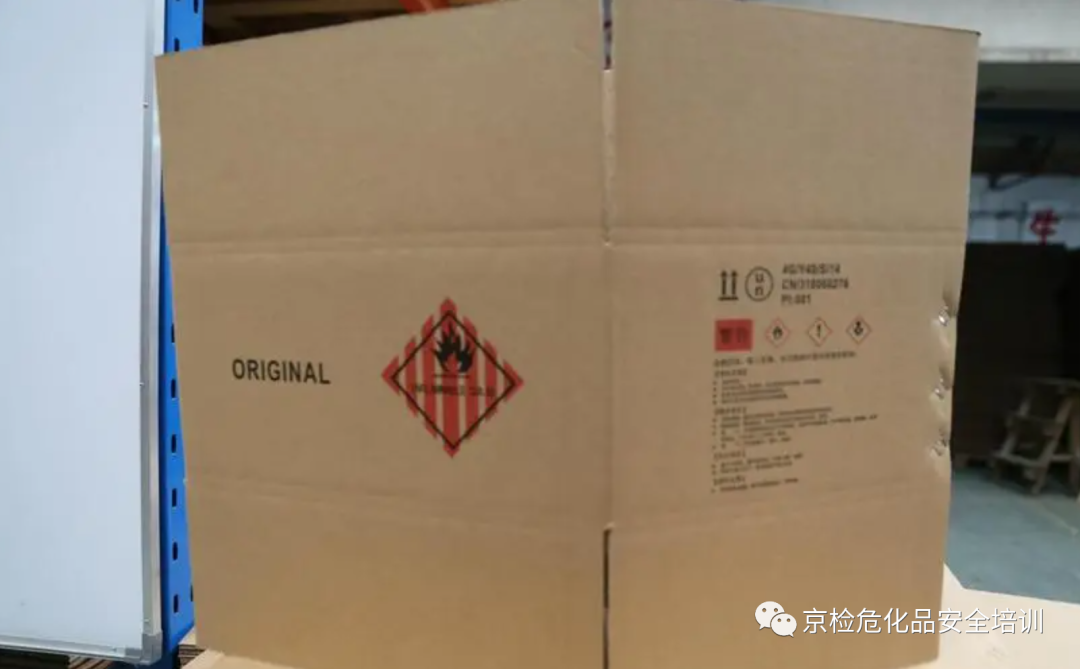
The protective outer casing of a composite or combination packaging, which includes any necessary cushioning, absorbent materials, and other components to secure and protect the inner receptacle or inner packaging.

Combination Packaging
A packaging system assembled for transport, consisting of one or more inner packagings secured inside an outer packaging. The key is that the inner packaging is a complete, tested unit placed inside another complete protective unit.

Composite Packaging
A single, integrated unit consisting of an outer packaging and an inner receptacle. These two components are manufactured to fit together, forming one complete packaging entity that is filled, stored, transported, and emptied as a whole. The inner receptacle cannot function without the outer shell.
The Crucial Distinction
The core difference lies in the relationship between the inner and outer parts. A Combination Packaging assembles two or more complete packaging units. A Composite Packaging is fabricated as one single unit from two interdependent parts (an incomplete inner receptacle and its outer shell).
A practical implication: a composite packaging (as a complete unit) can serve as the inner packaging within a larger combination packaging system. The reverse is not true.
Why This Matters for Importers
Correct classification of your packaging system is the first step towards ensuring regulatory compliance for your sea or air shipments. It determines the applicable packaging performance testing standards, marking/labeling requirements, and documentation specifics. Misidentifying a composite packaging as a combination packaging (or vice versa) can invalidate the certification basis of your shipment, leading to rejection by carriers or authorities.
Ensuring your goods are packed, classified, and documented correctly is essential for a smooth, safe, and compliant supply chain. Partnering with a knowledgeable logistics provider who masters these fundamentals is key to mitigating risk in your international shipments of regulated goods.
Clarifying Four Key Concepts: Packaging, Package, Combination Packaging, and Composite Packaging in Dangerous Goods Transport
For international buyers sourcing products, particularly chemicals or hazardous materials, from China, understanding shipping regulations is critical. Compliance with the IMDG Code (for ocean freight) and relevant IATA/ICAO regulations (for air cargo) starts with precise terminology. This article clarifies four essential but often confused concepts.
- Package: The complete product of a packing operation, as presented for transport. It includes the packaging and its contents. Package = Packaging + Goods
- Packaging: The assembly of one or more receptacles and any other components necessary for containment and safety. This is the overarching category that includes single packagings, composite packagings, combination packagings, IBCs, and large packagings.
- Combination Packaging: A packaging system for transport, consisting of one or more inner packagings secured in a common outer packaging. The inner packagings are complete units placed inside another complete protective unit. Combination Packaging = Outer Packaging + Inner Packaging(s)
- Composite Packaging: A single, integrated unit made from an outer packaging and an inner receptacle. The two are designed together to form one complete packaging, which is used as a whole for filling, storage, transport, and emptying. Composite Packaging = Outer Packaging + Inner Receptacle
Primary Difference: A Combination Packaging is an assembly of distinct, complete packaging units. A Composite Packaging is manufactured as one inseparable unit from complementary parts. Notably, a composite packaging can be used as an inner packaging within a combination packaging system, but not the other way around.
Importance for Compliance: Accurate identification of your packaging type directly impacts the correct application of UN performance test standards, specification markings, and shipping documentation. Errors in classification can result in non-compliance, shipment delays, and potential safety issues during international maritime or air transportation.
Disclaimer: This guide provides general information based on IMDG Code and TDG regulations. Always consult your freight forwarder and certified dangerous goods personnel for specific cargo requirements. Regulations are subject to change.