
A Comprehensive Guide to the Transportation of Dangerous Goods in International Logistics: Ensuring Safety in Ocean and Air Freight

As a key player in the international logistics industry, facilitating the global movement of goods from manufacturing hubs like China, we understand the critical importance of safely and compliantly transporting dangerous goods. Many industrial and consumer products sourced from China, such as batteries, chemicals, pharmaceuticals, and various manufactured items, fall under hazardous materials classifications. Misunderstanding or neglecting their specific handling requirements can lead to severe consequences, including cargo loss, property damage, environmental contamination, personal injury, and significant legal and financial liabilities.
This professional guide outlines the standardized classification system and fundamental handling principles for dangerous goods, aligned with the United Nations Model Regulations (UN TDG), the International Maritime Dangerous Goods (IMDG) Code for sea transport, and the International Air Transport Association Dangerous Goods Regulations (IATA DGR) for air transport. Our objective is to equip international buyers, supply chain managers, and logistics professionals with the essential knowledge to navigate these complex requirements effectively.
Understanding the Nine Hazard Classes
Dangerous goods are systematically categorized into nine classes to communicate their primary hazards and mandate specific handling protocols.
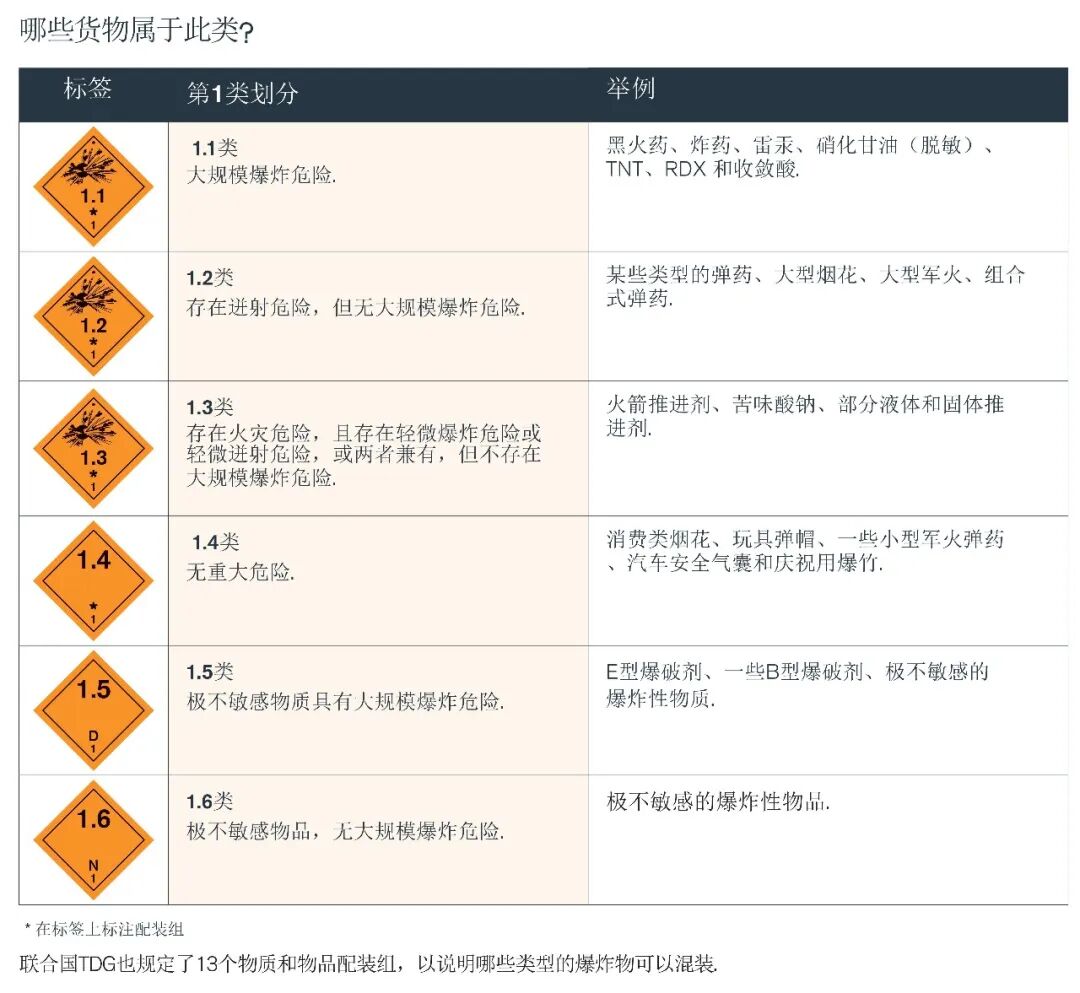 Class 1 Explosives
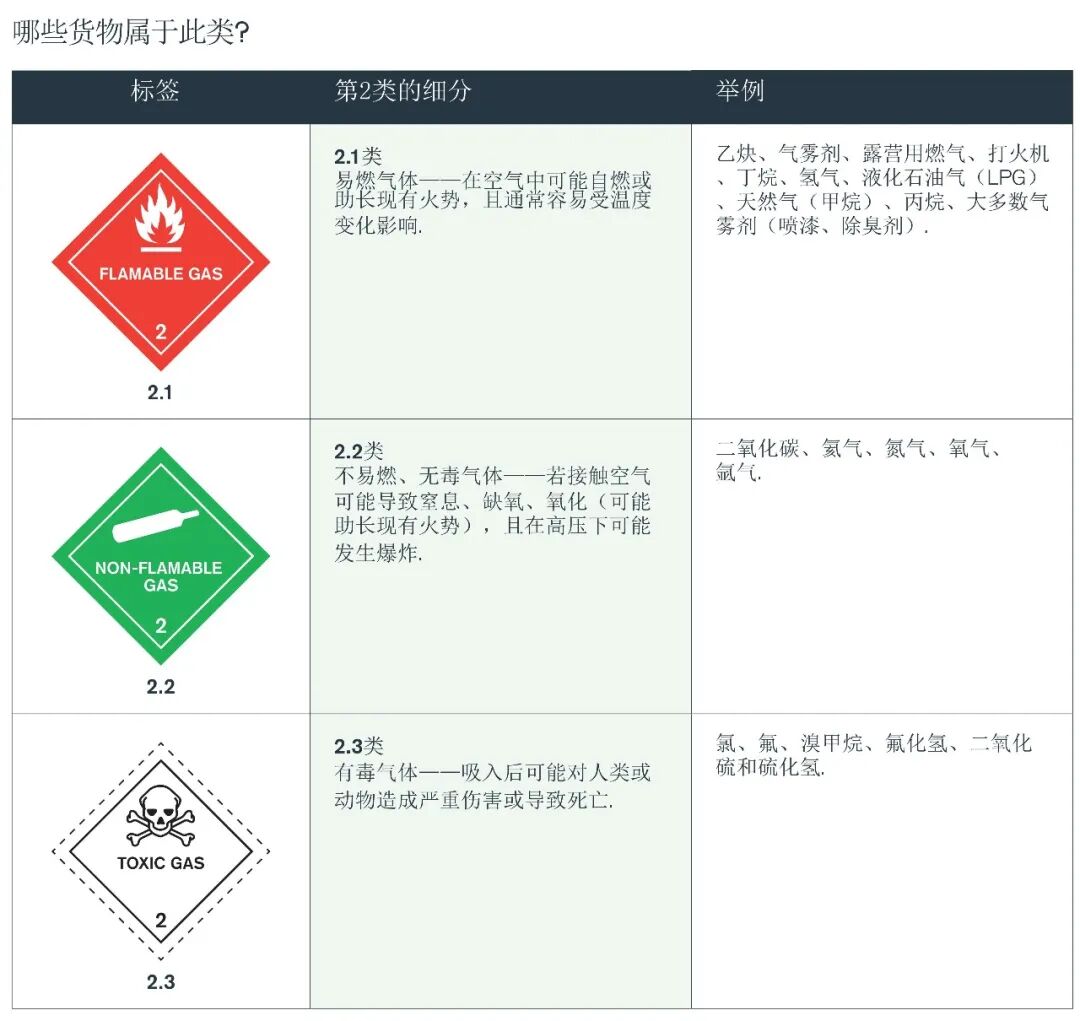 Class 2 Gases
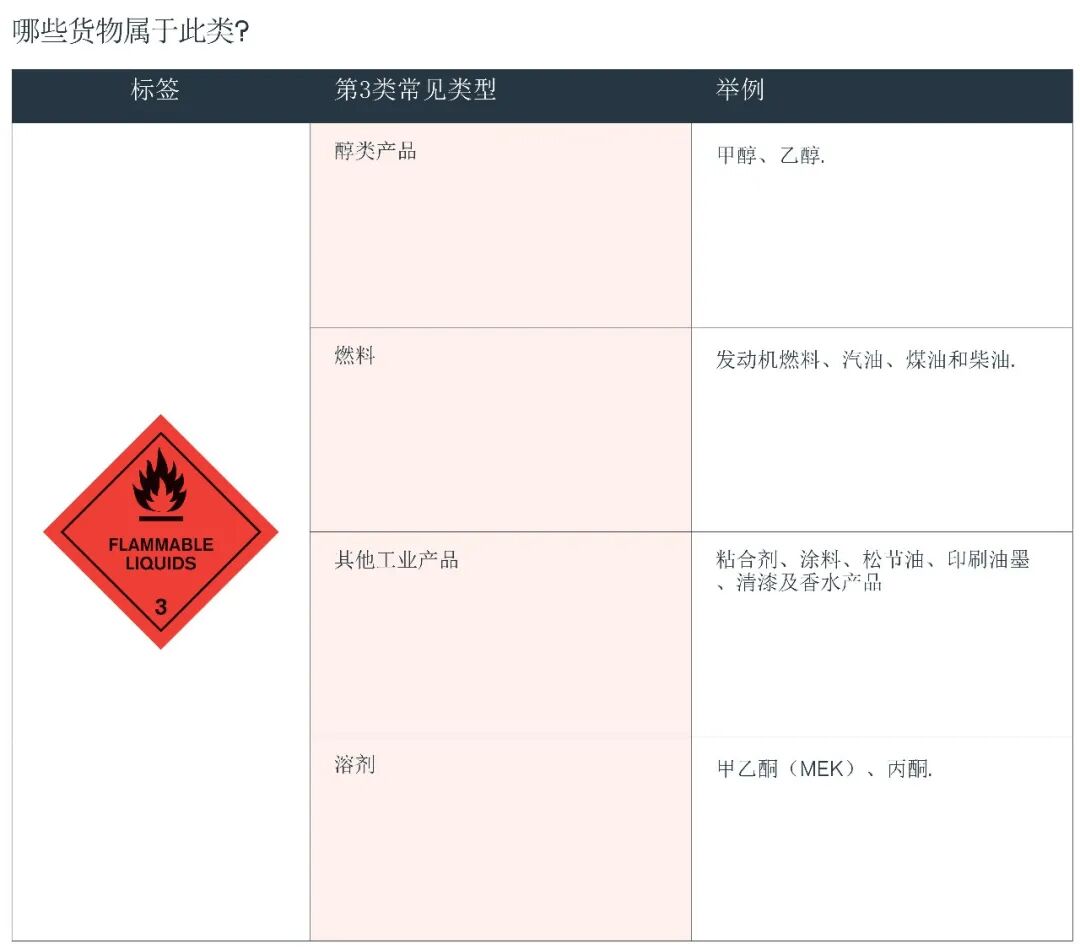 Class 3 Flammable Liquids
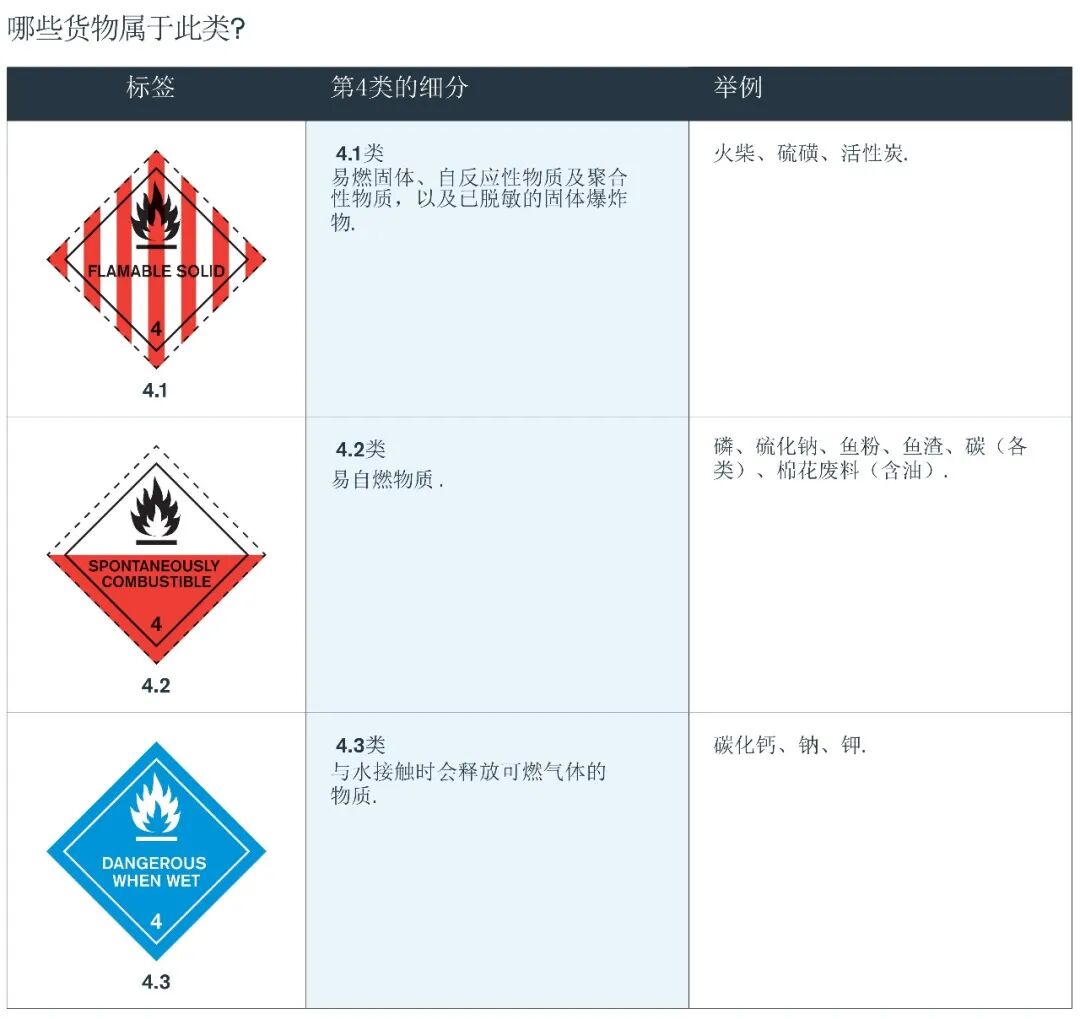 Class 4 Flammable Solids
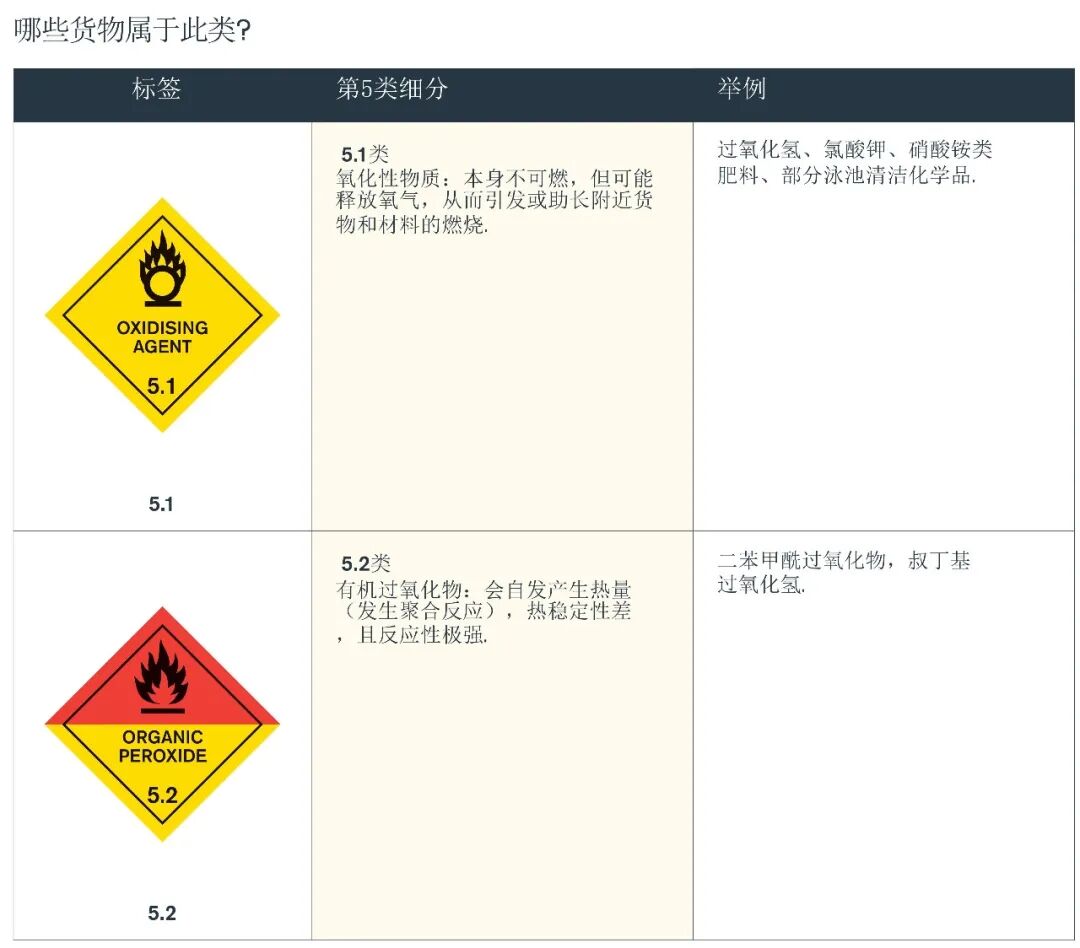 Class 5 Oxidizers
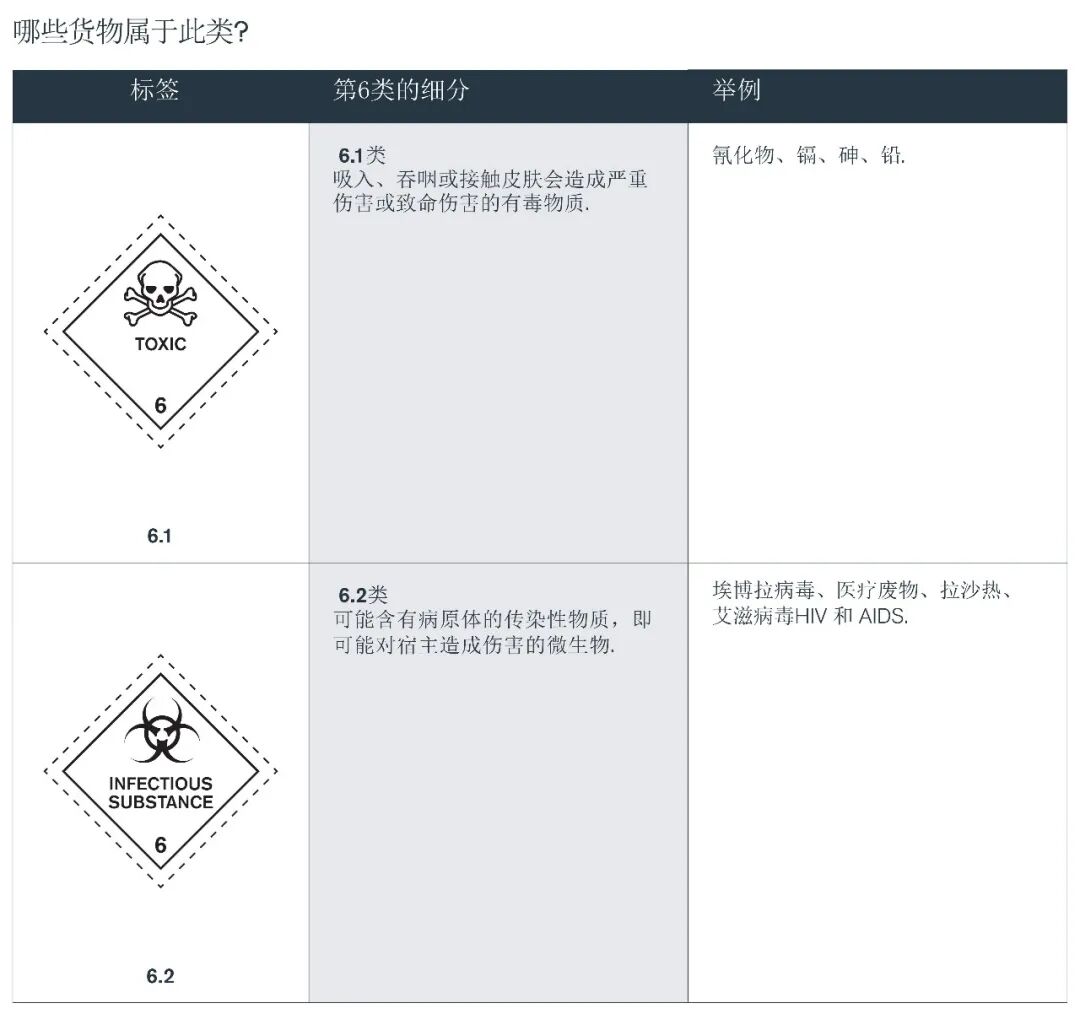 Class 6 Toxic
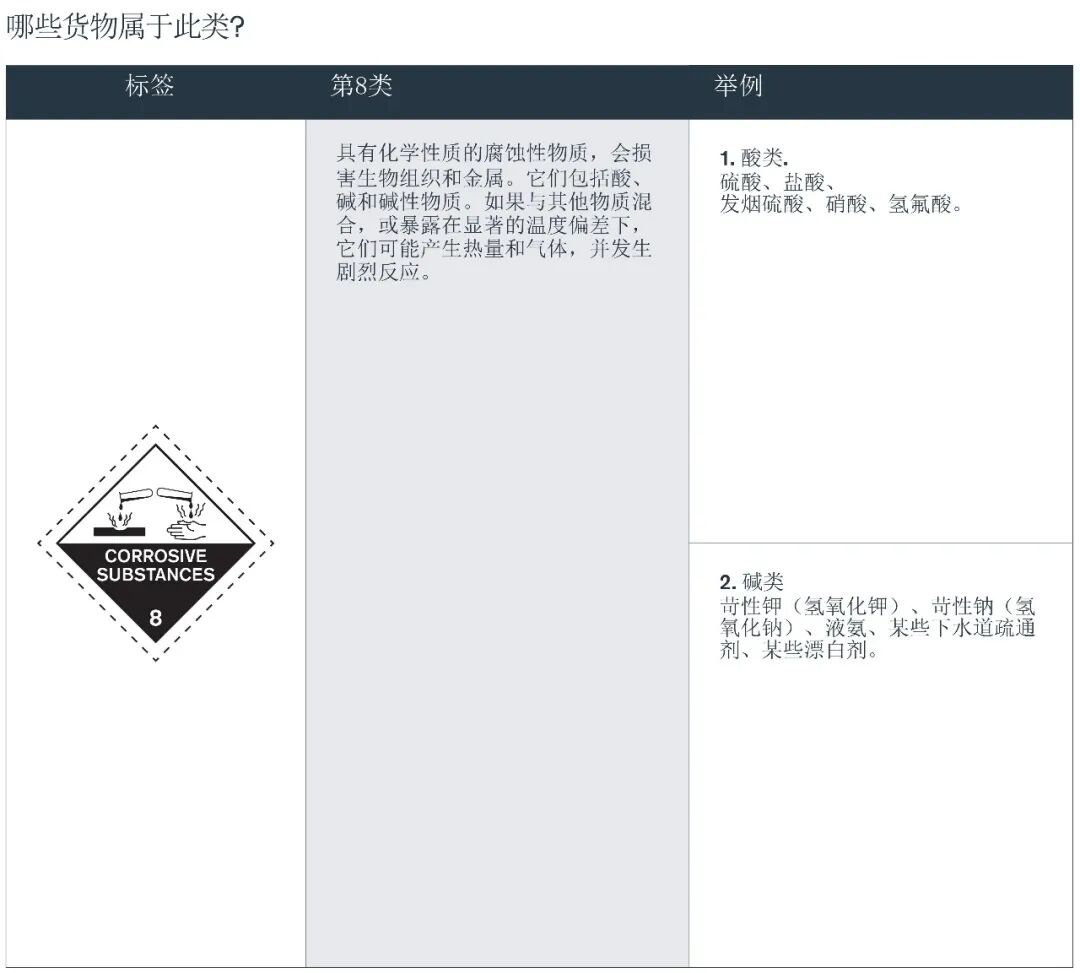 Class 8 Corrosives
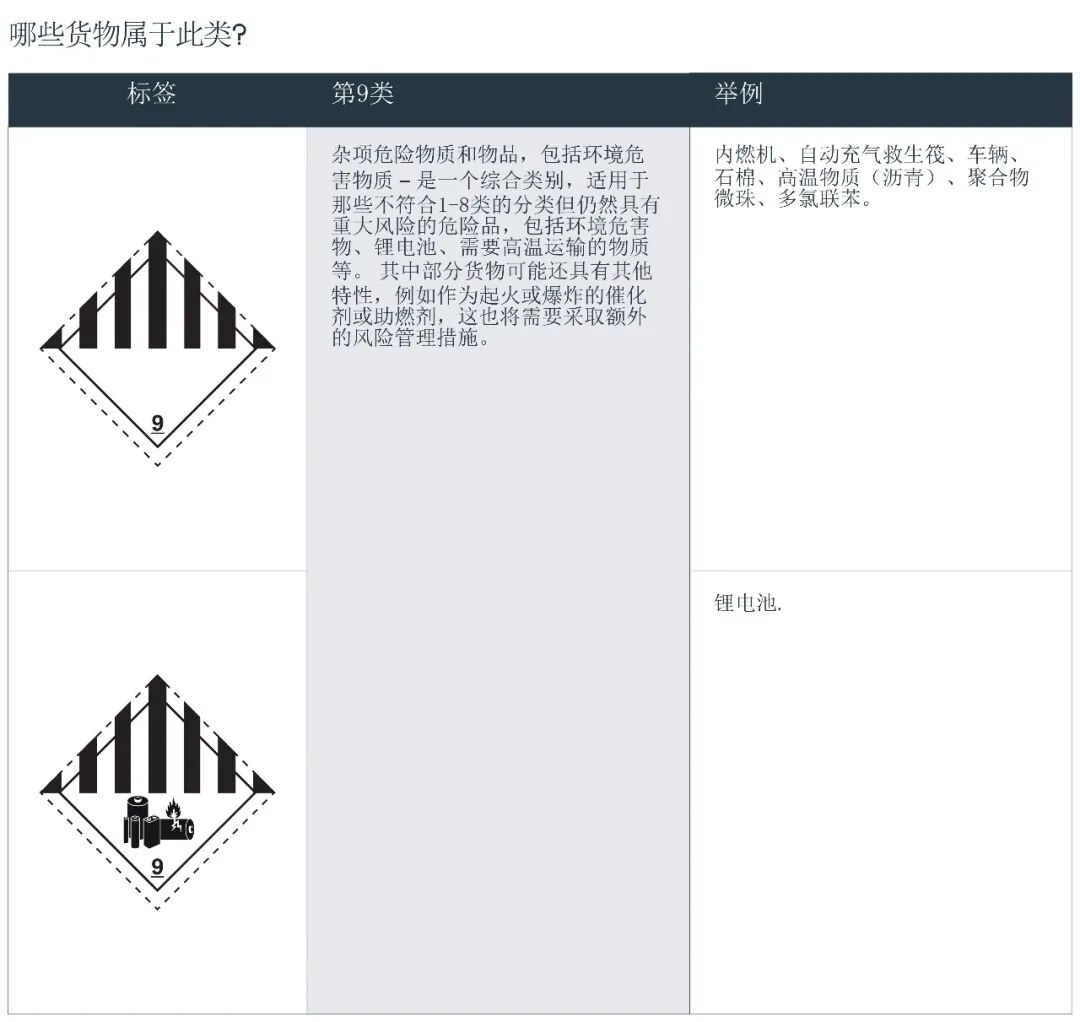 Class 9 Miscellaneous
| Class | Category | Logistics Focus |
|---|---|---|
| Class 1 | Explosives (1.1 - 1.6) e.g., fireworks, airbag inflators |
Most stringently regulated. Requires absolute segregation from all other classes. UN-certified packaging, specialized security measures, and highly trained personnel required. |
| Class 2 | Gases 2.1 Flammable, 2.2 Non-Flammable, 2.3 Toxic |
Cylinders must be in perfect condition, securely stowed. Flammable gases away from ignition sources. Toxic gases require stringent leak prevention. Valve protection mandatory. |
| Class 3 | Flammable Liquids e.g., paints, solvents, perfumes, fuels |
Packing Group (PG I, II, III) determines packaging. Fire/explosion risk from vapors. Well-ventilated areas, away from heat. Sufficient ullage required in containers. |
| Class 4 | Flammable Solids / Spontaneously Combustible / Dangerous when Wet 4.1, 4.2, 4.3 |
4.1: Segregate from ignition sources. 4.2: Keep cool, dry, may need temperature control. 4.3: Absolutely waterproof, hermetically sealed packaging required. |
| Class 5 | Oxidizing Substances & Organic Peroxides 5.1, 5.2 |
Intensify combustion. Strictly segregate from flammable materials. 5.2 organic peroxides may require temperature-controlled transport (reefers) if SADT exceeded. |
| Class 6 | Toxic & Infectious Substances 6.1, 6.2 |
Primary risk to human health. Leak-proof packaging required. 6.2 requires triple packaging for air transport. Critical segregation from foodstuffs. |
| Class 8 | Corrosive Substances e.g., acids, alkalis, battery acid |
Cause damage to tissue and metals. Packaging material compatibility crucial. Segregate acids from alkalis. Spill kits with neutralizers required. |
| Class 9 | Miscellaneous Dangerous Goods e.g., lithium batteries, marine pollutants |
Diverse class. Lithium batteries have specific UN 38.3 testing, packaging, state of charge limits. Proper identification and declaration paramount. |
The Three Pillars of Compliant Dangerous Goods Transport
Safe and legal transport is built upon three interdependent pillars, enforced by international and national regulations.
| Pillar | Key Requirements |
|---|---|
| Proper Classification, Packaging, and Marking/Labeling | Shipper is legally responsible for correct classification. Must use UN-certified packaging of appropriate type and performance level. Each package must display UN number, proper shipping name, hazard class label(s), and handling labels. |
| Accurate and Complete Documentation | Dangerous Goods Declaration (DGD) is a critical legal document. Must include: proper shipping name, hazard class/division, UN number, Packing Group, quantity, package details, and emergency response information. Inaccuracies cause cargo rejection, delays, fines. |
| Correct Stowage, Segregation, and Handling Onboard | IMDG Code and IATA DGR provide detailed segregation tables. Acids "separated from" alkalis. Oxidizers "away from" flammable liquids. All packages must be secured and braced to withstand transport rigors. |
Best Practices for Shippers and Consignees
- Invest in Expertise: Engage qualified personnel such as a Dangerous Goods Safety Advisor (DGSA) or staff with IATA/FIATA DG certifications. Consider third-party laboratories for official classification if uncertain.
- Choose a Specialized Forwarder: Partner with a freight forwarder that has a proven track record and dedicated, trained dangerous goods specialists. They can guide you through documentation, packaging selection, booking, and carrier compliance.
- Provide Comprehensive Training: Ensure all personnel involved in classifying, packing, marking, labeling, handling, or documenting dangerous goods receive recurrent, function-specific training as required by law.
- Prepare a Robust Emergency Plan: Develop and maintain written emergency response procedures. Ensure Safety Data Sheets (SDS) are readily available and that all relevant parties in the supply chain are aware of the cargo's hazards.
Conclusion
The international transport of dangerous goods is a complex but manageable process when governed by knowledge, discipline, and strict adherence to global regulations. A deep understanding of the hazard classes, unwavering commitment to the core principles of packaging, documentation, and stowage, and a partnership with qualified, experienced logistics providers are the cornerstones of a safe, efficient, and compliant supply chain. By prioritizing these fundamentals, businesses can confidently and responsibly move essential but potentially hazardous materials across the globe.