
Key Compliance Considerations for Shipping Electric Trikes from China: Classification and Hazardous Materials
—— A Practical Guide to Shipping Electric Trikes from China
Introduction: Recent targeted inspections by Chinese customs authorities, specifically the Tianjin Port Customs, have identified frequent compliance discrepancies in electric trike (e-trike) exports. These issues primarily involve incorrect Harmonized System (HS) code classification and undeclared or improperly declared batteries shipped as hazardous materials. This document outlines these critical areas to help international buyers ensure their shipments comply with international regulations and avoid customs delays.
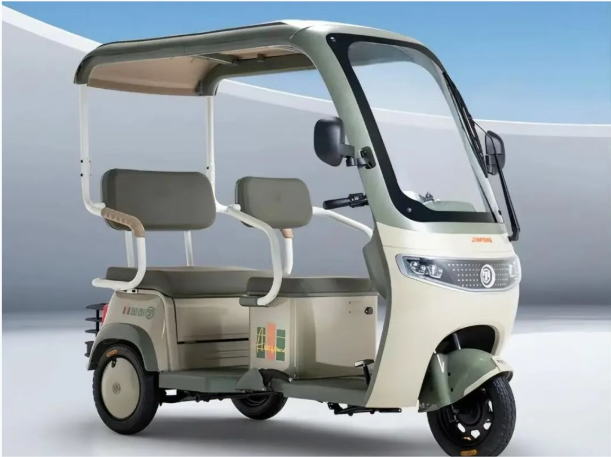
1. HS Code Classification: Avoiding a Common Error
Accurate HS code classification is fundamental. Misclassification often results in customs holds, incorrect duty assessment, and non-compliance with import regulations.
The Issue: Exporters commonly misdeclare e-trikes under HS Code 8711 (Motorcycles and mopeds). However, many models should be declared under codes for motor vehicles.
Determining the Correct Code:
- HS 8703 (Passenger vehicles) or HS 8704 (Freight vehicles): These codes apply if the e-trike features an automotive steering system OR is equipped with both a reverse gear and a differential.
- A reverse gear enables the vehicle to travel in reverse.
- A differential distributes torque between the drive wheels, allowing them to rotate at different speeds for stable turning and improved traction.
- HS 8711 (Motorcycles): This is the correct code for e-trikes that lack the automotive-type features listed above.
- HS 8712 (Bicycles): This code is for non-motorized tricycles only.
Logistics Impact: Using an incorrect HS code can lead to customs examinations, seizures, and penalties. It may also violate the importing country's regulations, which often have different safety and certification requirements for "motor vehicles" versus "motorcycles."
2. Battery Transportation: Hazardous Goods Regulations
The batteries used in e-trikes are almost always regulated as dangerous goods for transport. Compliance with international codes is not optional; it is a legal and safety requirement.
Regulatory Framework: Transportation is governed by the International Maritime Dangerous Goods (IMDG) Code for sea freight and the IATA Dangerous Goods Regulations (DGR) for air freight, both aligned with the UN Model Regulations.
Standard Classifications:
- Lead-acid batteries are generally classified as Class 8, Corrosive.
- Lithium batteries are classified as Class 9, Miscellaneous dangerous goods.
Compliance Requirements: Shipping these batteries requires:
- Proper Declaration: The shipment must be declared as dangerous goods to the carrier and forwarder.
- UN-Specification Packaging: Batteries must be packed in tested, certified packaging designed to contain the hazard.
- Complete Documentation: This includes a properly executed Shipper's Declaration for Dangerous Goods, dangerous goods labels, markings, and container/unit load device placards as required.
Limited Exemptions: Specific, conditional exceptions are provided in the regulations (e.g., for batteries contained in equipment under certain watt-hour/power limits). These exceptions are precise and must be fully met. Assuming an exemption without expert verification poses significant risk.
Conclusion and Best Practices for Shippers
To facilitate efficient and compliant movement of e-trike shipments:
- Pre-Shipment Classification Audit: Determine the accurate HS code by evaluating the vehicle's technical specifications against the official explanatory notes. Consult with your logistics provider or a customs specialist.
- Transparent Hazardous Goods Communication: Disclose the presence, type, and specifications of all batteries to your freight forwarder during the initial booking inquiry. Prepare to provide all necessary safety data and specifications.
- Engage Certified Logistics Partners: Contract with freight forwarders who have staff trained and certified in IMDG/IATA dangerous goods regulations to manage the packing, documentation, and booking process correctly.
Proactive management of these two areas—classification and hazardous goods declaration—is the most effective strategy to prevent supply chain disruptions, ensure safety, and maintain regulatory compliance for your shipments from China.
Quick Reference: Electric Trike HS Code Classification
| HS Code | Description | Key Features |
|---|---|---|
| HS 8703 / 8704 | Passenger / Freight Vehicles | Automotive steering system OR (reverse gear + differential) |
| HS 8711 | Motorcycles / Mopeds | Lacks automotive steering, reverse gear, or differential |
| HS 8712 | Bicycles | Non-motorized tricycles only |
Quick Reference: Battery Classification for Transport
| Battery Type | Hazard Class | UN Number | Key Requirement |
|---|---|---|---|
| Lead-Acid Batteries | Class 8 (Corrosive) | UN 2794 / UN 2800 | UN-spec packaging, corrosive label |
| Lithium Metal Batteries | Class 9 (Misc.) | UN 3090 / UN 3091 | UN38.3 test summary, lithium battery mark |
| Lithium Ion Batteries | Class 9 (Misc.) | UN 3480 / UN 3481 | UN38.3 test summary, lithium battery mark |
Disclaimer: This guide is for informational purposes based on current regulations. Always consult with certified dangerous goods professionals and customs specialists for specific cargo requirements.