
Sea Freight Guide: Safe, Compliant, and Cost-Effective Transportation of Fishmeal
Introduction: Understanding the Dual Nature of Fishmeal Shipping
Fishmeal, an essential high-protein feed ingredient for global aquaculture and livestock industries, relies on a stable supply chain. However, its unique physicochemical properties give it a dual identity in international maritime transport: it can be shipped as either a general cargo or a dangerous good. This classification hinges entirely on its specific chemical composition and pre-treatment. Understanding and adhering to the relevant international regulations is paramount to ensuring safety, preventing delays, fines, incidents, and ultimately achieving cost optimization.
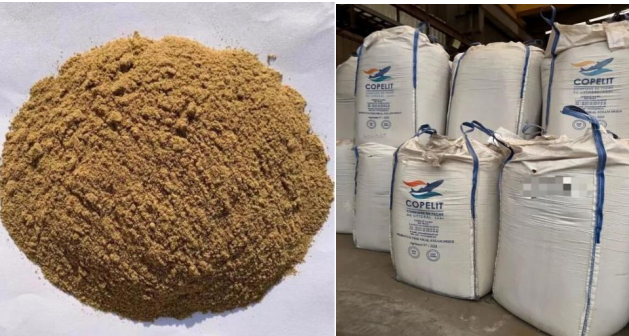
A recent case in China, where maritime authorities facilitated the efficient export of a compliant "non-hazardous" shipment of fishmeal, resulting in nearly 50% logistics cost savings for the shipper, underscores the principle that "compliance drives efficiency." This guide provides international buyers and logistics professionals with a clear framework for the compliant and safe ocean transportation of fishmeal.
Part 1: Core Risks and Regulatory Framework
The primary risks associated with fishmeal during transportation stem from its composition:
- Self-Heating and Spontaneous Combustion: Residual fats and unsaturated fatty acids in fishmeal can oxidize, and proteins can decompose through microbial activity. Both processes generate heat. In confined or stacked shipping conditions, this heat can accumulate, leading to a rapid temperature rise and potentially causing spontaneous combustion.
- Contamination Risk: Fishmeal has a strong, persistent odor that can easily permeate and contaminate other cargoes, such as grains, foodstuffs, and textiles.
Consequently, the International Maritime Organization's International Maritime Dangerous Goods (IMDG) Code is the governing standard. The Code provides clear classification criteria based on key parameters like fat content, moisture content, and the use of antioxidants.
Part 2: Classification and Key Requirements under the IMDG Code
Fishmeal is primarily classified under the following UN Numbers:
| UN Number | Proper Shipping Name | Hazard Class | Packing Group | Key Determining Factors |
|---|---|---|---|---|
| 1374 | FISH MEAL, UNSTABILIZED / FISH SCRAP, UNSTABILIZED | Class 4.2 (Substances liable to spontaneous combustion) | II or III | High fat/moisture content and/or not stabilized with antioxidant. |
| 2216 | FISH MEAL (FISH SCRAP), STABILIZED | Class 9 (Miscellaneous dangerous substances) | III | Treated with antioxidant, with fat/moisture content within specified limits. |
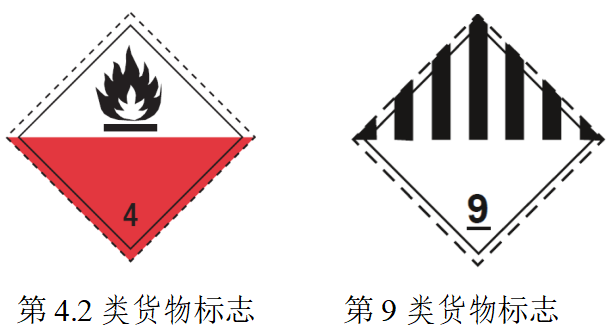
Summary of Core Operational Requirements:
- Packaging: Must be airtight. For UN 1374 (Packing Group II), bagged packaging is prohibited. Specifics must follow the relevant IMDG Code Packing Instructions.
- Temperature Control: At the time of loading, the cargo temperature must not exceed 35°C (95°F) or be more than 5°C (9°F) above the ambient temperature, whichever is higher. Temperature must be monitored regularly during the voyage.
- Stowage and Segregation: Must be stowed "away from" sources of heat. Different categories require specific stowage categories and must be segregated from incompatible goods like explosives.
- Documentation: Shipments of fishmeal under UN 1374 (Packing Group III) and UN 2216 must be accompanied by a certificate from a competent authority, detailing: moisture content, fat content, type and concentration of antioxidant (if applicable), production date, and temperature at shipment.
Part 3: Pathways to "Non-Hazardous" Shipping and Cost Optimization
Shipping fishmeal as Non-Dangerous Goods can significantly simplify procedures and reduce freight and insurance costs. According to the IMDG Code, this is permitted if any one of the following conditions is met:
- Fishmeal acidified and moistened with more than 40% water by mass.
- Fishmeal made from white fish, with a moisture content of ≤12% and a fat content of ≤5%.
- A certificate issued by the competent authority of the shipping country, stating that the material is not liable to self-heating in the intended packaging and transport conditions.
Key Recommendations for International Buyers:
- Source Control: In procurement contracts with suppliers, specify technical parameters for fat content and moisture content, and stipulate stabilization treatment with sufficient antioxidants (e.g., Ethoxyquin, BHT). Request a drying certificate (for UN 1374, a minimum of 28 days of drying is required).
- Engage a Specialized Partner: Work with a freight forwarder experienced in the IMDG Code and certified for handling chemical/dangerous goods. They can help verify the supplier's Safety Data Sheet (SDS) and analysis report to determine the correct classification.
- Prepare Compliant Documentation: Ensure all shipping documents (certificate, packing list, bill of lading) contain accurate and consistent information, especially the UN number and technical data. This is critical for smooth customs clearance and loading.
- Pre-Shipment Inspection: Insist on temperature checks and package integrity verification before loading. Refuse any cargo that does not meet the stipulated conditions.
Conclusion
The safe sea transportation of fishmeal is a systematic effort requiring close collaboration across the supply chain—from producers and suppliers to buyers and logistics providers. By implementing scientific stabilization at the production level and ensuring accurate classification and strict compliance in logistics, it is entirely feasible to ensure maritime safety while exploring the most economical shipping options. Proactive planning and professional execution are the definitive strategies for risk and cost control.
Disclaimer: This guide provides general information based on IMDG Code regulations. Always consult your freight forwarder and certified dangerous goods personnel for specific cargo requirements. Regulations are subject to change.